SPECIAL OFFER
30% OFF BOOK NOW BEFORE IT ENDS GET YOUR QUOTE NOW
30% OFF BOOK NOW BEFORE IT ENDS GET YOUR QUOTE NOW

Most homeowners spend more time choosing their kitchen splashback than the glass in their windows. That’s understandable — glass looks like glass, until you live with the wrong type and spend three summers wondering why the living room feels unbearable after midday, or three winters watching condensation run down the panes every morning.
Thoughtful glass selection for double glazed windows can have a bigger impact on how a home feels and performs than many homeowners realise. The right choices may help reduce energy bills, improve acoustic comfort, meet safety requirements, and contribute to a home that’s more comfortable to live in year-round. The wrong choices can be costly to undo. At APS Double Glazing, we manufacture and install double glazed windows designed for Australian homes. This page outlines key considerations to help you make more informed decisions from the outset.
Window performance is often discussed in terms of frame material — aluminium versus timber versus uPVC. Frame choice matters, but glass typically makes up 70–80% of a window’s surface area, which means it can play a dominant role in the thermal, acoustic, and optical performance of the unit. A premium frame paired with poorly selected glass is unlikely to deliver strong overall performance.
The glass in a window can influence four things that affect daily comfort: how much heat transfers through it (in both directions), how much solar radiation it lets in or blocks, how well it may attenuate external noise, and whether it breaks safely in a hazardous situation. Each of these can be addressed — often with different glass types — which is why the selection process can benefit from some thought rather than relying on a single default answer.
There’s no single answer — it depends on the climate zone, window orientation, and performance priorities. For many Australian homes, double-glazed units with a low-E coating can offer a strong combination of thermal performance and value. Glass in safety-critical locations must additionally comply with safety glazing requirements, and acoustic performance needs should be specified explicitly rather than assumed.
Both are safety glass types, but they behave differently when broken. Toughened glass shatters into small blunt fragments when broken. Laminated glass holds together because the broken fragments are bonded to an interlayer, meaning the pane tends to stay in the frame rather than falling. Laminated glass may also provide acoustic benefits and UV filtering that toughened glass does not.
Standard double glazing may offer some acoustic improvement over single glazing, but the benefit can be limited if both panes are the same thickness. More effective acoustic glazing uses panes of different thicknesses or incorporates a laminated pane to disrupt the resonance pattern that allows sound to pass through more easily. If noise is a priority, it may be worth specifying acoustic performance explicitly with an STC or Rw rating.
Low-E glass has a microscopically thin metallic coating that reflects radiant heat while allowing visible light through. It can significantly improve the thermal performance of a glazing unit — potentially reducing heat loss in winter and heat gain in summer, depending on the coating orientation. The cost premium over standard glass is modest relative to the performance benefit, which makes it one of the better-value upgrades in window specification.
The NCC requires safety glazing in specific locations, including glazing within 300 mm of a door leaf and glazing near floor level in certain configurations. Safety glazing means either toughened glass or laminated glass — both of which are designed to break in a way that may significantly reduce the risk of serious laceration injury. Your installer should identify these locations as a matter of course.
Yes, tinted glass may reduce solar heat gain by absorbing solar radiation within the glass body rather than transmitting it directly into the room. The heat absorbed does warm the glass itself, which then radiates some heat inward, so the reduction is real but not complete. For stronger solar control, reflective coatings or low-E glass may be more effective than tinting alone.
For bathrooms, en-suites, and entry sidelights, patterned, obscure, or frosted glass is the common solution. These scatter light effectively, obscuring the view through the glass while still allowing daylight transmission. They can be incorporated into toughened or laminated units where safety compliance also applies, so privacy and safety requirements can often be met in the same pane.
Orientation is one of the more important factors and is frequently overlooked. North-facing windows in Australian homes can be a passive solar heating resource in winter, so highly solar-reflective glass on this elevation may actually reduce winter comfort. West-facing windows are often the most problematic for summer heat gain and tend to benefit most from solar control glass. South-facing windows receive little direct sun and generally prioritise thermal insulation over solar control.
Yes. A double-glazed unit can incorporate a low-E coating, a laminated pane, and an argon-filled cavity in the same unit — addressing thermal performance, acoustic performance, and safety compliance together. Modern IGUs are typically configured around performance outcomes rather than single technologies, so specifying by what you need the glass to do rather than which glass type to use may give better results.
Yes. The NCC requires safety glazing in regulated locations, and the energy efficiency provisions — including the 7-star NatHERS standard — directly influence what glazing specifications may be needed to achieve compliance in new construction. In many climate zones and for larger window areas, single glazing alone is unlikely to achieve an energy-compliant outcome, making double glazing with low-E coatings a compliance requirement rather than simply a premium upgrade.


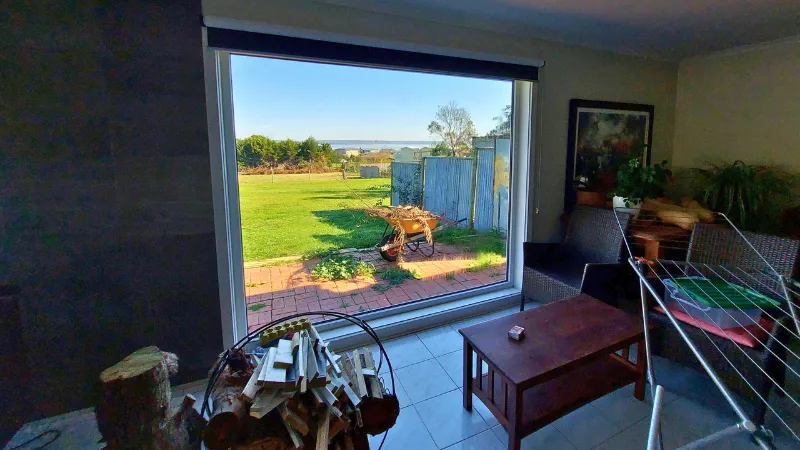
Before getting into decision-making, it helps to have a clear picture of what’s available. The residential window market uses a relatively small number of core glass technologies, sometimes in combination.
Projects
Reviews out
of 200+
Year of
Experience
Locations
Beyond safety glazing, the NCC’s energy efficiency requirements can have direct implications for glass selection in new construction and significant renovations. The 7-star NatHERS requirement means that window specifications — including glass type, area, and orientation — are part of the energy modelling that determines compliance.
In practice, this means that in many new builds, single glazing is unlikely to achieve compliance, particularly for larger window areas on thermally challenging orientations. Double glazing with low-E coatings has moved from a premium upgrade to a compliance necessity in a growing number of projects across most climate zones.
It’s also worth noting that AS 2047, the Australian Standard for windows and external glazed doors, includes requirements for the structural performance of glazing. Glass thickness and type need to be appropriate for the wind load and span requirements of the opening. For large-format windows or doors in exposed locations, structural glazing requirements may dictate minimum glass thickness or configuration independently of any other performance consideration.
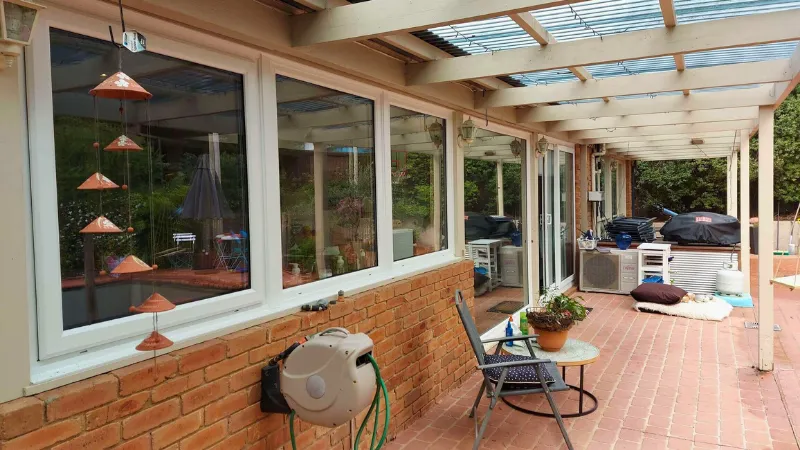

APS Double Glazing is the premier manufacturer & installer of high performance UPVC double glazing windows & doors in Melbourne.
Get Your Free Quote
One point that doesn’t get enough attention in most glass selection guides is that these technologies aren’t mutually exclusive. Modern glazing units can combine multiple attributes in a single window.
A high-performance double-glazed unit in a coastal property subject to cyclone risk, for example, might use a toughened outer pane for impact resistance, a low-E coating for thermal control, a laminated inner pane for safety and acoustic performance, and an argon-filled cavity for insulation. That’s four technologies in a single unit, and it can be a legitimate specification for the right property.
For most residential applications, the combination doesn’t need to be that complex. A double-glazed unit with a low-E coating on one pane can address the majority of thermal performance needs in many homes. Adding a laminated pane may address acoustic performance and safety compliance where required. These combinations are standard, widely available, and competitively priced.
The practical guidance here is to specify by performance outcome rather than glass type. Tell your supplier what you need the glass to do — insulate, reduce noise, meet safety requirements in specific locations, help manage west-facing afternoon sun — and let them configure the unit accordingly.
Read More
Rather than selecting glass from a catalogue, a more useful approach may be to start with the problem you’re trying to solve. Most residential glass decisions come down to four core performance priorities.
If your primary concern is heating and cooling costs — and in much of Australia, this is often the dominant driver — the decision typically centres on how well the glass limits heat transfer.
Single glazing, even with a low-E coating, has fundamental limitations. The glass itself is a reasonable conductor of heat, and a single pane with no cavity means heat transfer tends to happen relatively directly. Low-E single glazing can be an improvement over clear float, but the gains are generally modest.
Double glazing with a low-E coating can be a substantial step up. The cavity — whether air-filled or argon-gas-filled — provides the primary insulation, and the low-E coating on the inner surface of the outer pane (or outer surface of the inner pane, depending on climate) can further reduce radiant heat transfer. In cooler climates — Tasmania, Victoria, the ACT, southern NSW — this combination may deliver meaningful reductions in heating load. In hotter climates, a low-E coating oriented to reject summer heat gain can be the more relevant consideration, and homeowners exploring energy-efficient windows will often find that glass specification is where most of the performance comes from.
The orientation of the window can also matter significantly. North-facing windows in Australian homes receive direct sun in winter and may be a valuable passive solar heating resource. Using highly reflective or heavily tinted glass on north-facing windows could undermine winter comfort by blocking desirable solar gain. South-facing windows receive little direct sun and may benefit most from strong thermal insulation rather than solar control. East-facing windows get morning sun, which is generally mild; west-facing windows are often the most problematic for summer heat gain and tend to benefit most from solar control glass.
Standard glass — even double glazing — may not automatically perform well acoustically. This can surprise homeowners who assume double glazing will significantly reduce noise. The cavity in a standard IGU helps somewhat, but if both panes are the same thickness, sound waves at certain frequencies may resonate through the unit with minimal attenuation — a phenomenon called the coincidence effect.
Effective acoustic glazing is designed to disrupt this resonance. The more common approaches include using panes of different thicknesses (so the resonant frequencies of the two panes don’t align), incorporating a laminated glass pane in the unit (the PVB interlayer can absorb sound energy), or using an asymmetric cavity depth. Understanding how acoustic ratings work can help you compare products meaningfully — acoustic-rated glazing units are specified with a sound transmission class (STC) or weighted sound reduction index (Rw) rating, and the higher the number, the better the noise attenuation is likely to be.
For bedrooms near busy roads, homes under flight paths, or any room where acoustic comfort matters, it may be worth specifying acoustic performance explicitly rather than assuming standard double glazing will deliver it. The cost difference between standard and acoustic-rated units is often less than expected.
Australian building regulations under the NCC prescribe safety glazing in specific locations. These aren’t optional — they’re a compliance requirement. Key locations where safety glass is typically required include glazing within 300 mm of a door or within 500 mm of the floor in certain applications, glass in doors themselves, and frameless or semi-frameless shower enclosures.
The practical requirement is that the glass must break safely — meaning toughened glass (small blunt fragments) or laminated glass (fragments retained by the interlayer). Both satisfy safety glazing requirements but behave differently. Toughened glass, once broken, typically falls out of the frame. Laminated glass holds together, which is why it’s often preferred in overhead applications, balustrades, and situations where glass falling is a secondary hazard.
If you’re selecting glass for a renovation or new build, your installer or window supplier should be identifying which openings require safety glazing. If they’re not asking, it’s worth raising.
Privacy glass ranges from patterned and obscure glass — which scatters light and obscures visibility without blocking it — to frosted or acid-etched glass, which provides a uniform diffuse appearance. There are also switchable glazing technologies (electrochromic or liquid crystal glass) that can transition from clear to opaque, though these tend to be considerably more expensive and more relevant to commercial than standard residential applications.
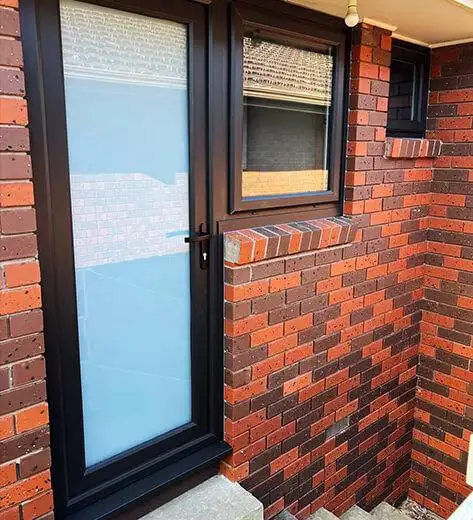
For bathrooms, en-suites, and sidelights beside entry doors, standard obscure or frosted glass is usually an appropriate solution. It can be incorporated into laminated or toughened units as required for safety compliance, so privacy and safety requirements can be addressed simultaneously in the same pane.
A few errors come up repeatedly, and most are avoidable with a bit of forethought.
For many Australian homes, the answer may be yes — particularly for double glazing with low-E coatings in climate zones with meaningful heating or cooling loads.
The energy savings depend on the climate, the size of the glazed area, and the existing specification, but independent research has suggested that double glazing can deliver meaningful reductions in heating and cooling energy use in many Australian climate zones. The payback period depends on energy prices and usage patterns, but the comfort benefit — fewer cold spots, less radiant heat, more even room temperatures — is often noticeable and doesn’t need to be expressed in dollar terms to be real.
Acoustic upgrades are generally worth it if the noise problem is real. If you live near a major road or under a flight path, acoustic-rated glazing may deliver noticeable improvement. If the noise environment is quiet suburban, standard double glazing may be sufficient.
Laminated glass for UV protection is often underappreciated. It may block a substantial proportion of ultraviolet radiation, which is a primary cause of fading in timber floors, rugs, artwork, and upholstery. In a home with significant north or west-facing glass, the preservation of interior finishes over ten to twenty years can be a real and quantifiable benefit.
Good glass selection for double glazed windows isn’t about picking a product from a list — it’s about understanding what you need the glass to do and specifying accordingly. Start with orientation and climate, layer in acoustic and safety requirements for specific rooms and openings, and work with a supplier who can configure units to address multiple performance needs simultaneously.
The investment in upgraded glass is often justified by improved comfort, potentially lower energy costs, and better long-term performance. The mistake to avoid is treating all glass as equivalent and selecting on price alone. It’s one of those decisions where the cost of getting it wrong can accumulate quietly for years before it’s visible enough to address.
For tailored advice on the glass configurations best suited to your home’s orientation, climate zone, and specific performance goals, the APS Double Glazing team can guide you through the options during an in-home consultation.
Every home is different, and the right glass specification depends on things only a walk-through can reveal — how sun tracks across your rooms, which windows carry the noise, where safety glazing may be needed, and how the existing structure will accept a new unit. Rather than guess from a brochure, it’s usually worth having someone look at the home before you commit to anything.
Book a free, no-obligation in-home consultation with APS Double Glazing. One of our consultants can assess your windows, explain the glass configurations that may suit your home, and provide a transparent quote with no pressure to proceed. Request your free quote today — we’d love to help you make a glass choice you won’t need to revisit for years.
Read Less






Extended range of colour options are available upon request.
Quality double glazed replacement windows typically range from $800-$2,500+ per window including installation. We provide detailed, itemised quotes during your free consultation.
We minimise disruption by protecting your home, containing dust, and cleaning thoroughly. Most homeowners are surprised by how manageable the process is. You can remain in your home during installation.
Like-for-like replacement typically doesn’t require permits. Changes to size, location, or heritage properties may need approval. We’ll advise on your specific situation.
Yes. While the upfront cost is higher, most Melbourne homeowners see value through energy savings ($200-$600+ annually), improved comfort, noise reduction, and increased property value.
Quality double glazed windows last 20-30+ years with minimal maintenance. Our uPVC frames carry a lifetime warranty; glass units are warrantied for 10 years.
Double glazing reduces noise by 60-70% with our standard RW 32 rating. For extreme noise situations, we offer enhanced acoustic glass (RW 40+).
Yes! We offer various styles and custom solutions. Whether heritage, modern, or unique shapes, we can create windows that match your home’s architecture.
Absolutely. Our team has the equipment and training for safe multi-storey installations.
Yes! Many homeowners start with bedrooms or street-facing windows and expand over time. We’ll help you prioritise based on your needs and budget.
We work on apartments and units regularly. You’ll need body corporate approval, but we can provide documentation to support your application.










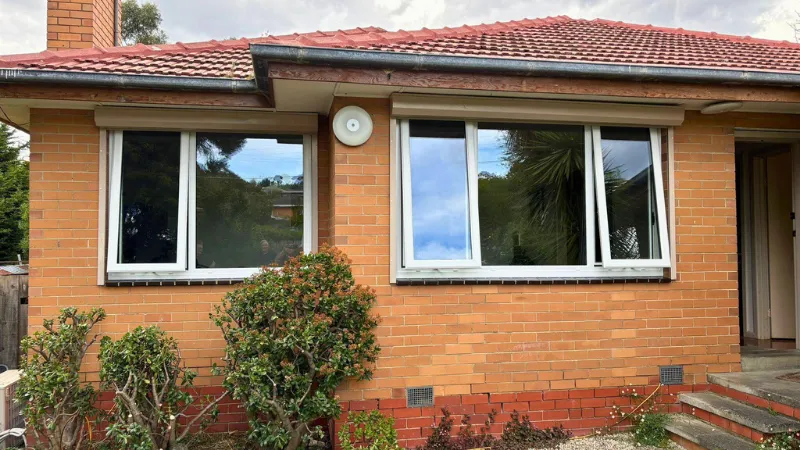
Key Takeaways uPVC frames and double glazing work together as a system: the frame eliminates thermal bridging; the gas-filled glass...
Read More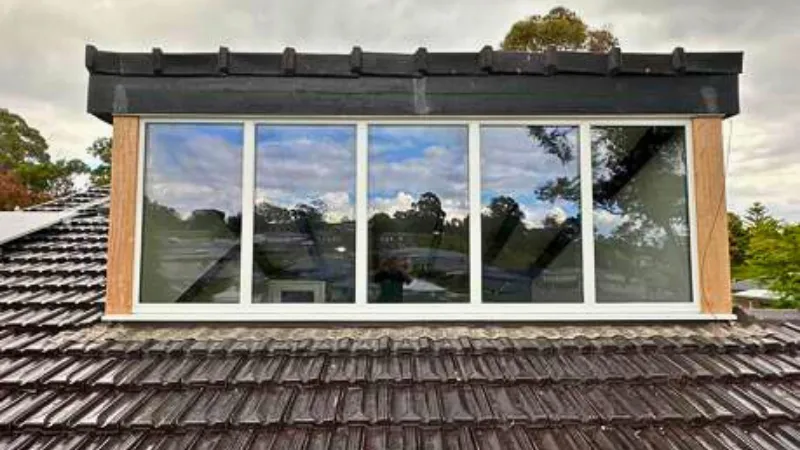
Key Takeaways ● Casement windows: side-hinged, full-width opening, best for maximum airflow in living areas and bedrooms facing prevailing breezes....
Read More
Key Takeaways ● Orientation is the highest-leverage design decision in a home. It costs nothing to get...
Read More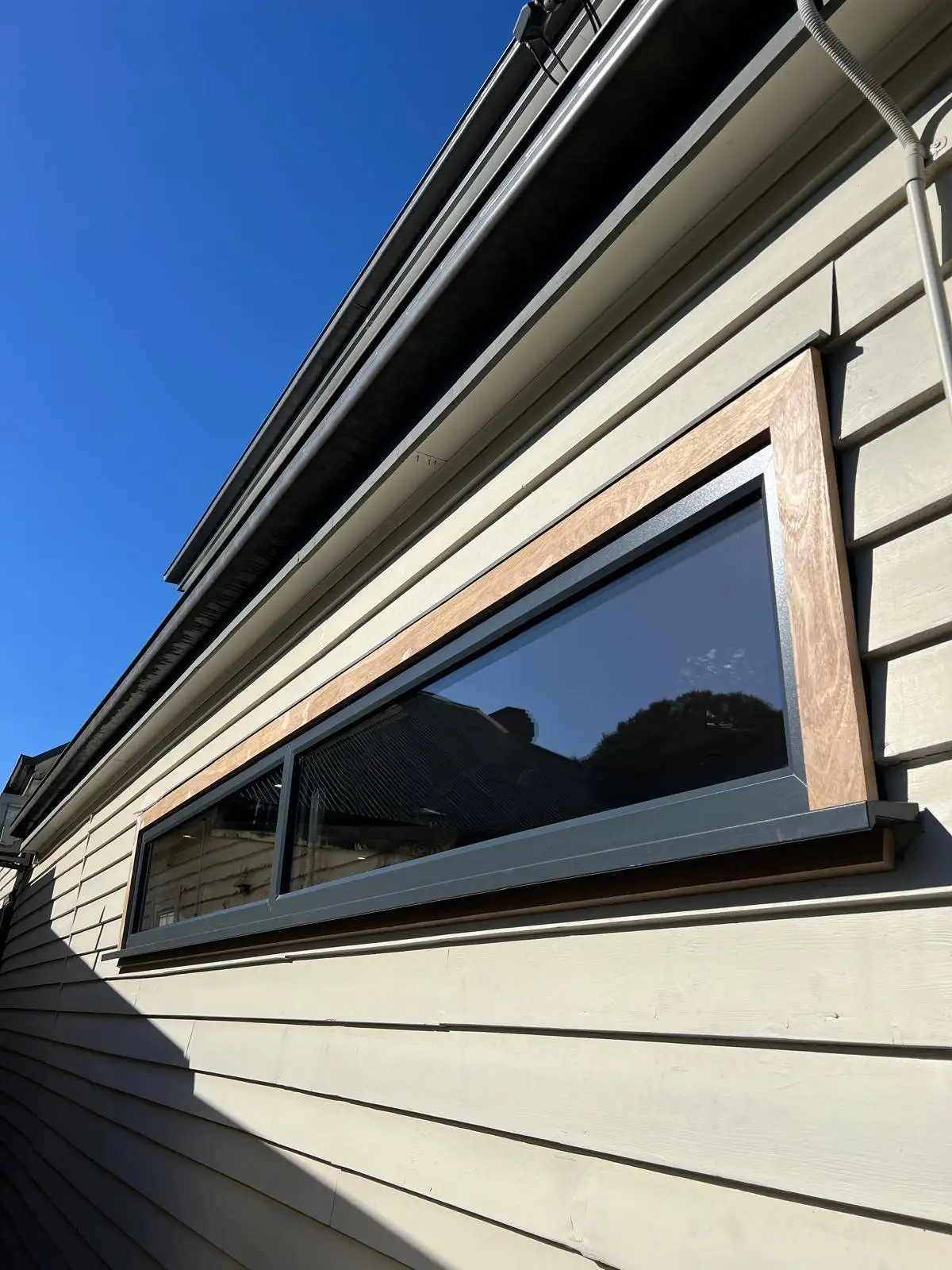
Upgrade your home with high-performance, energy-efficient window replacement.
Speak with APS Double Glazing today for a free measure and quote.