OCTOBER ONLY: 35% OFF
APS IS OFFERING 35% OFF ALL ITEMS GET YOUR QUOTE NOW
APS IS OFFERING 35% OFF ALL ITEMS GET YOUR QUOTE NOW

When suppliers, builders, and manufacturers talk about compliant windows and doors, the word “compliant” can mean quite different things to each of them. For a homeowner or specifier trying to make sense of it, the vagueness can be genuinely frustrating — because compliance isn’t a single thing. It’s a collection of overlapping requirements that may vary depending on where your property is, what the building is used for, what type of window or door is involved, and which Australian Standards and NCC provisions apply to your specific situation.
Getting it wrong can carry real consequences: failed building inspections, warranty complications, insurance issues, and in more serious cases, safety concerns that may only become apparent after something goes wrong. This page explains what window and door compliance can involve in Australia, which requirements tend to apply in which situations, and how to verify that the products you’re specifying or buying genuinely meet them. At APS Double Glazing, we work with homeowners and builders across a range of projects, and we’ve seen how early clarity on compliance can help avoid costly surprises later.
A compliant window or door isn’t simply a product with a brand name and a certificate attached to the invoice. Compliance generally means the specific product, installed in the specific opening, on the specific site, meets the performance and regulatory requirements that apply to that combination of product, location, and use. For double glazed windows in particular, this match between product and site is often where compliance becomes most practical — because the thermal, acoustic, and structural contributions of the glazing are all part of the wider compliance picture.
That last sentence matters more than it might seem. A window that is compliant in a suburban Melbourne house may not be compliant in the same configuration on an exposed coastal site in Queensland, a bushfire-prone property in the Blue Mountains, or a home adjacent to a major rail corridor. Compliance tends to be site-specific and application-specific. A product that passes all relevant tests and carries all relevant documentation can still be wrong for your project if it’s not matched to your actual site conditions.
The regulatory framework behind compliance sits primarily in two places: the National Construction Code (NCC), which sets the performance requirements and provides the pathway to compliance, and the relevant Australian Standards — particularly AS 2047 (Windows and external glazed doors in buildings) and AS 1288 (Glass in buildings) — which specify the testing and performance criteria that products must meet. Under NCC 2022, the requirements have also been updated to address energy efficiency and condensation management more rigorously, which has direct implications for window and door specification in new residential construction.
Compliance generally means the product meets the performance requirements applicable to its specific use, location, and building type under the National Construction Code and relevant Australian Standards. This includes structural performance for wind loads, glazing safety, energy efficiency, and any site-specific requirements such as bushfire compliance or acoustic performance. Compliance isn’t a single test — it’s the combination of relevant requirements being met simultaneously.
The two primary standards are AS 2047, which covers windows and external glazed doors including structural performance testing, and AS 1288, which covers glass in buildings including safety glazing requirements. Both are referenced under the NCC and provide the test criteria that products generally need to meet to demonstrate compliance.
Ask for the performance label, which shows tested structural and weatherproofing ratings. Ask for a certificate of compliance confirming the product meets relevant standards. For energy performance, request WERS data or U-value and SHGC for the complete window system. For bushfire requirements, request specific bushfire certification. For acoustic requirements, confirm the Rw rating applies to the whole window, not just the glass.
A performance label is affixed to the product and specifies its tested structural ratings under AS 2047, including wind classification and water penetration resistance class. A certificate of compliance is a formal document from the manufacturer confirming that the product meets the relevant Australian Standards and NCC provisions. Both can be important — the label records what the product has been tested to; the certificate confirms overall compliance.
Generally, no. Glass-only ratings for U-value, SHGC, or acoustic Rw tell you about the glass panel alone. Whole-window performance — accounting for frame, glass, seals, and edge effects together — is typically different from centre-of-glass figures. For compliance purposes, whole-window or whole-system performance data is usually required rather than glass-only figures.
Yes. Properties in designated bushfire-prone areas generally require products rated for the applicable BAL level. Different BAL levels impose different requirements on frame materials, glass types, and construction details. Bushfire certification should cover the specific product configuration being used, including the glass type and maximum size within tested parameters.
Properties in designated transport noise corridors may be subject to minimum acoustic performance requirements for windows and doors. The relevant metric is typically the Rw rating for the complete window system. It’s worth confirming that any Rw figure quoted by a supplier applies to the whole assembly, as glass-only Rw ratings generally don’t satisfy whole-system requirements.
Yes. The NCC requires protection for openable windows at certain heights above ground in residential buildings. Windows in regulated locations generally need to either restrict the opening to a maximum of 125 mm or be fitted with a compliant fall-prevention device. This typically applies to bedrooms and habitable rooms on upper floors.
Yes. A product may be compliant at its tested ratings but inadequate for your specific site conditions — a wind classification higher than the product’s rating, a BAL level the product hasn’t been tested for, or an acoustic requirement the product doesn’t meet. Compliance generally relies on a match between the product’s tested performance and the site’s specific requirements.
Responsibility tends to exist at multiple points in the chain. Manufacturers and importers are generally responsible for ensuring products are tested and documented to the applicable standards. Suppliers are responsible for providing accurate compliance information when specifying or supplying products. Builders and installers are responsible for selecting products appropriate to the site conditions and installing them correctly. Property owners have an interest in ensuring compliance documentation is retained. A failure at any point in this chain can create risk for everyone downstream.
NCC 2022 raised the minimum thermal performance requirement for new residential buildings to the equivalent of 7 stars under NatHERS and strengthened condensation management provisions. This generally means window and door specifications in new homes need to meet higher U-value and SHGC requirements than under older standards, and condensation risk from thermally poor frames and glazing configurations is now more explicitly addressed in the compliance framework.


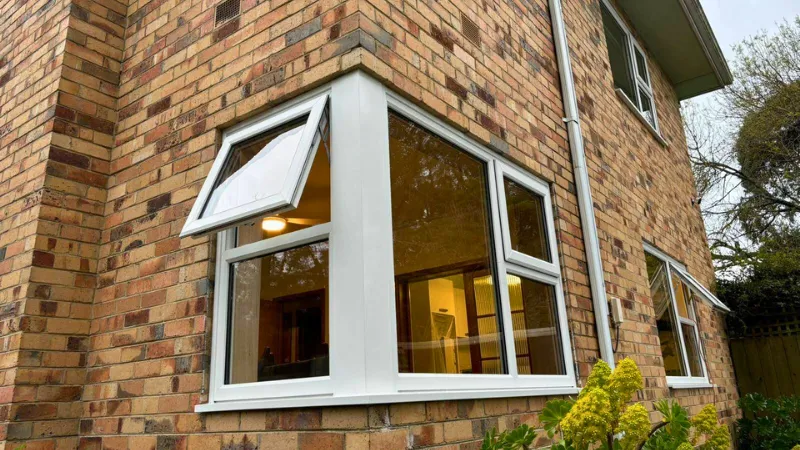
Understanding compliance may be easier when you see it broken into its component categories. Window and door regulations in Australia aren’t a single test — each category below can apply independently, and in many situations, a single window or door may need to satisfy several of them simultaneously.
Projects
Reviews out
of 200+
Year of
Experience
Locations
The NCC provides the overarching performance framework for window compliance in Australia and allows products to demonstrate compliance in several ways — through deemed-to-satisfy provisions (which means using a product or method that the code already recognises as meeting the requirements), by performance solution (which requires detailed technical evidence), or through evidence of suitability as described in the ABCB guidance on evidence of suitability.
AS 2047 is the primary Australian Standard for windows and external glazed doors. It covers structural performance testing, including deflection under design wind pressure, ultimate strength, water penetration resistance, and air infiltration. Products tested to AS 2047 receive performance ratings that indicate their suitability for different wind classifications and site exposures.
AS 1288 covers glass in buildings — how to select, specify, and install glass safely in different applications. It governs the requirements for safety glazing in human impact zones and the structural adequacy of different glass types for different span and load conditions.
It’s worth knowing that requirements can vary between states, particularly around energy efficiency provisions, which have historically been implemented on different timelines in different jurisdictions. It’s generally worth checking the applicable state-specific provisions rather than assuming national uniformity.
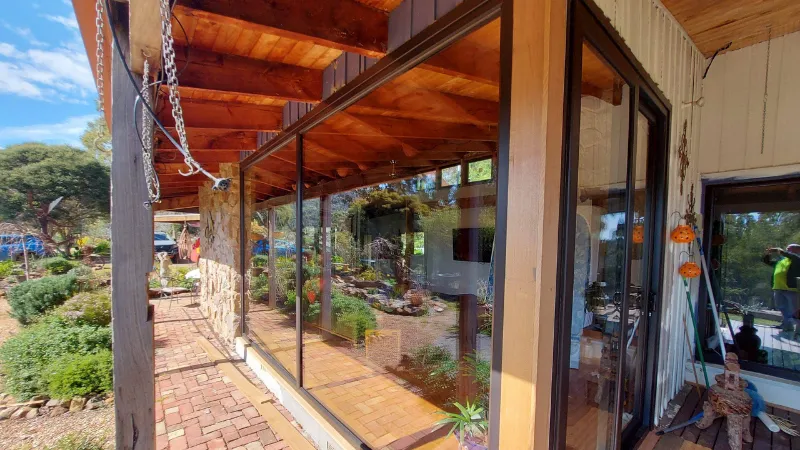
APS Double Glazing is the premier manufacturer & installer of high performance UPVC double glazing windows & doors in Melbourne.
Get Your Free Quote
This is where many guides fall short, and it’s often the most practically useful part of the compliance conversation. Saying “the product is compliant” without knowing what documents substantiate that claim isn’t really verification — it’s a marketing statement.
Products tested and rated under AS 2047 should carry a performance label that specifies the product’s structural rating for wind classification, water penetration resistance, and air infiltration class. The label should be affixed to the product and should also appear in documentation. When you receive a product, the performance label tells you what the product has been tested to — not what the manufacturer claims, but what independent testing has verified.
A certificate of compliance is a formal document from the manufacturer stating that the product meets the relevant Australian Standards and NCC provisions. It should be specific to the product type and configuration, not a blanket claim. On request, reputable manufacturers and fabricators should be able to provide this documentation before installation. If a supplier can’t produce it, that’s worth taking seriously as a signal.
For products used in performance solutions or for applications where more detailed verification is required, test reports from accredited testing laboratories can provide the underlying evidence. These reports document the specific tests conducted, the results, and the conditions under which the product was assessed. Under the NCC, evidence of suitability documentation helps establish that a product or system meets the relevant performance requirements — this may include test reports, accreditation documentation, or technical assessments by suitably qualified practitioners.
The Window Energy Rating Scheme (WERS) provides star ratings for windows and doors based on their heating and cooling performance. WERS ratings are based on the whole-window system — frame and glass together — which can make them more useful for energy compliance purposes than centre-of-glass figures. For energy efficiency compliance, it’s worth asking for the WERS rating or the U-value and SHGC for the specific product and configuration being supplied.
For BAL-rated products, ask for the specific bushfire certification and confirm it covers the configuration being supplied, including the glass type and size. For acoustic requirements, confirm that the Rw figure being quoted applies to the complete window system, including frame, glazing, and seals — not glass only.
The practical complication with compliant window systems is that a product might be compliant in one context and inadequate in another, even with identical test results. The compliance question is generally: does this product, in this configuration, meet the requirements for this site and application?
A coastal property in a high-wind zone may require a product rated to a wind classification that excludes many standard products. A home in a BAL-40 area can limit the glazing types and frame configurations available. A renovation project near a rail corridor may require an acoustic specification that standard double glazed windows don’t meet. A two-storey house with upper-floor bedrooms typically needs window configurations that satisfy fall-prevention requirements.
The practical process is generally: determine the site-specific requirements first (wind classification, climate zone, BAL rating if applicable, acoustic requirements if applicable), then select products that are tested and rated for those conditions, then verify the documentation. The reverse — choosing products first and checking compliance afterwards — is how specification errors tend to happen.
A few recurring errors come up in this area, and they’re worth naming directly.
To make this more concrete, here’s how the compliance picture might play out in a few common situations.
Before committing to a product or signing off on an order, these are the kinds of questions worth asking. Each starts from the same place — asking the supplier to point to the evidence behind their compliance claim:
A reputable supplier should generally be able to answer all of these without hesitation. Reluctance or vagueness on any of them can be worth investigating before orders are placed. At APS Double Glazing, we aim to provide clear compliance documentation for the products we supply, so homeowners and builders have the evidence they need for their specific project.
Compliant windows and doors aren’t simply products with a certificate on file. Compliance is generally a match between the product’s tested performance and the specific requirements of the site, application, and NCC provisions that apply. Getting this right tends to require understanding which compliance categories apply to your project, selecting products tested and documented to meet those requirements, and retaining the evidence.
The practical takeaway is straightforward: work out your site-specific requirements before selecting products, ask for documentation rather than verbal assurances, and treat each compliance category — structural, glazing safety, energy, bushfire, acoustic, fall prevention — as independent until you’ve confirmed coverage for each. That approach can help protect against the expensive surprises that tend to follow assumptions made in the other order. Every double glazed window supplied by APS Double Glazing is manufactured and specified with these compliance categories in mind.
Navigating window and door compliance can feel complex, particularly when a single project may need to balance structural, thermal, bushfire, and acoustic requirements all at once. A qualified supplier can help you see how those requirements fit together and which product configurations may suit your specific site.
Book a free, no-obligation consultation with APS Double Glazing. Our team can walk you through the compliance considerations that may apply to your property, explain the certification and documentation involved, and provide a transparent quote tailored to your project. Request your free quote today — early conversations can help you avoid costly specification changes later.
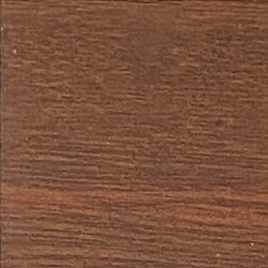

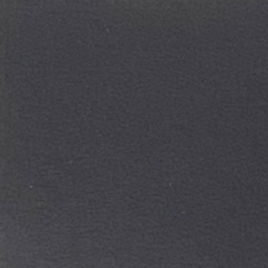

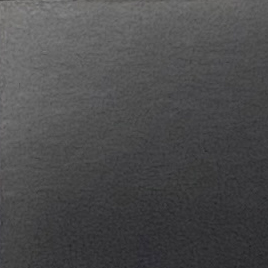
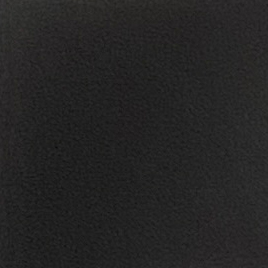
Extended range of colour options are available upon request.
Quality double glazed replacement windows typically range from $800-$2,500+ per window including installation. We provide detailed, itemised quotes during your free consultation.
We minimise disruption by protecting your home, containing dust, and cleaning thoroughly. Most homeowners are surprised by how manageable the process is. You can remain in your home during installation.
Like-for-like replacement typically doesn’t require permits. Changes to size, location, or heritage properties may need approval. We’ll advise on your specific situation.
Yes. While the upfront cost is higher, most Melbourne homeowners see value through energy savings ($200-$600+ annually), improved comfort, noise reduction, and increased property value.
Quality double glazed windows last 20-30+ years with minimal maintenance. Our uPVC frames carry a lifetime warranty; glass units are warrantied for 10 years.
Double glazing reduces noise by 60-70% with our standard RW 32 rating. For extreme noise situations, we offer enhanced acoustic glass (RW 40+).
Yes! We offer various styles and custom solutions. Whether heritage, modern, or unique shapes, we can create windows that match your home’s architecture.
Absolutely. Our team has the equipment and training for safe multi-storey installations.
Yes! Many homeowners start with bedrooms or street-facing windows and expand over time. We’ll help you prioritise based on your needs and budget.
We work on apartments and units regularly. You’ll need body corporate approval, but we can provide documentation to support your application.










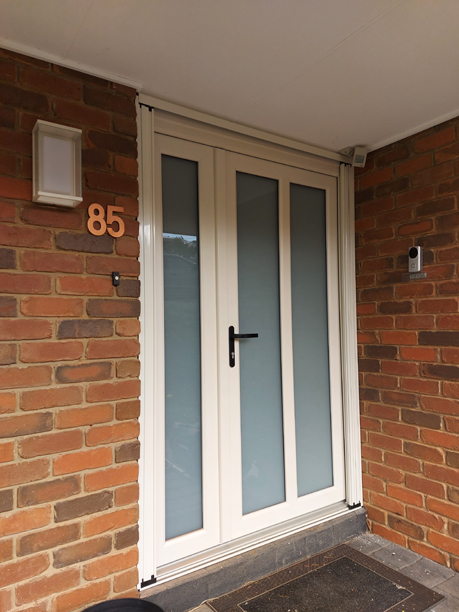
Key Takeaways French doors are a hinged pair that suit narrow to mid-width openings, a classic look and a doorway...
Read More
Key Takeaways A single panel is the first limit on width, since glass weight, thickness and hardware set how large...
Read More
Key Takeaways New doors add value most dependably through the impression they make from the street, and only conditionally through...
Read More
Upgrade your home with high-performance, energy-efficient window replacement.
Speak with APS Double Glazing today for a free measure and quote.