
November ONLY: 35% OFF
APS IS OFFERING 35% OFF ALL ITEMS GET YOUR QUOTE NOW
APS IS OFFERING 35% OFF ALL ITEMS GET YOUR QUOTE NOW

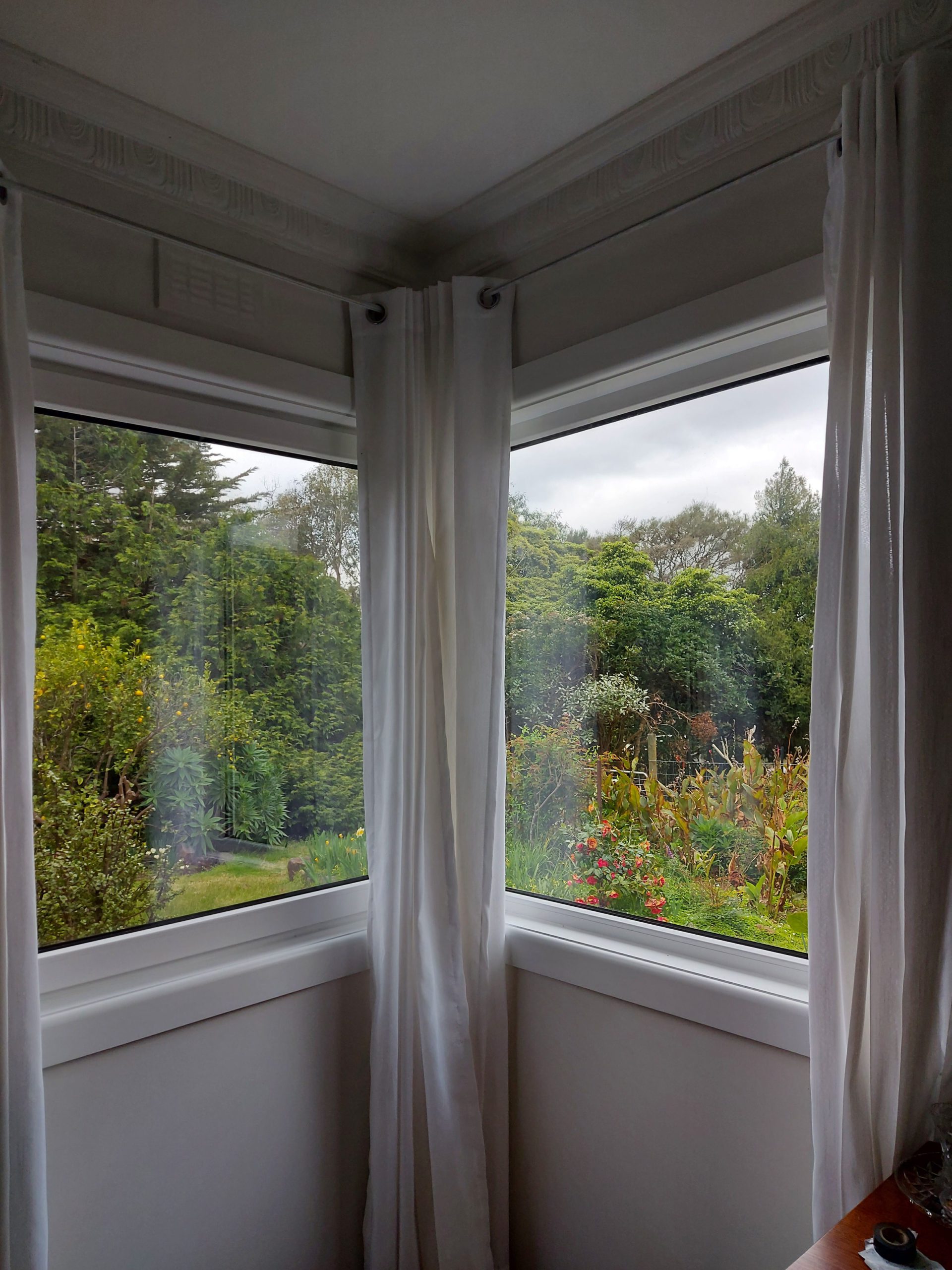
Living near a busy road can make passing cars, trucks and motorcycles a regular part of the indoor soundscape. In an established Melbourne suburb such as Ashburton, older homes may also have ageing timber windows, single glazing or worn seals that provide relatively easy pathways for external sound.
For homeowners wanting to reduce traffic noise, double glazed windows can help limit the amount of sound passing through glazed openings. The result depends on more than simply adding a second pane of glass, however. Glass configuration, uPVC frames, sealing and installation all influence the performance of the finished window.
When considering uPVC double glazing in Ashburton, it helps to start with the actual noise problem. A steady flow of cars, lower-frequency heavy vehicles and intermittent motorcycles or horns can behave differently, so the most suitable approach will depend on the property, the rooms affected and the type of sound outside.
Windows are one of several possible pathways for external sound to enter a home. Older or poorly sealed windows can be particularly noticeable because sound may travel through the glass itself as well as through small gaps around frames and opening sections.
Double glazing uses two panes separated by a cavity, creating additional layers through which sound must travel. In an acoustic-focused system, the glass configuration can be selected to respond to different sound frequencies, while the frame and seals help reduce gaps where airborne noise may otherwise pass.
uPVC frames can also form part of this approach. Depending on the particular frame system, their construction and sealing can support acoustic performance when combined with appropriate glazing and careful installation. The overall result should therefore be considered as a complete window system rather than judging performance from the glass alone.
Not every double glazed window provides the same level of noise reduction. For a home close to a busy road, several parts of the specification deserve consideration before choosing a particular system.
Glass thickness and composition can influence how sound passes through a window. Using panes of different thicknesses, sometimes referred to as asymmetric glazing, may be considered for acoustic applications because different glass thicknesses can respond differently across sound frequencies.
Laminated or acoustic glass may also be used where noise reduction is an important priority. Laminated glass incorporates an interlayer that can help dampen vibration, although the most appropriate glass combination will depend on the noise source and the acoustic performance required for the property.
Sound can pass through small gaps as well as through the glazing itself. For this reason, frame construction, effective seals and how tightly an opening window closes can influence double glazing noise reduction.
Different window configurations also have practical implications for sealing and ventilation. For example, tilt and turn windows close firmly against their seals while offering different opening positions when ventilation is required.
A carefully specified glazing unit still needs to be correctly measured, fitted and sealed within the building opening. Gaps between the frame and surrounding structure may affect the acoustic performance of the finished installation.
This is why homeowners comparing noise reducing windows should consider the glass, frame, seals and installation together rather than focusing on one feature in isolation.
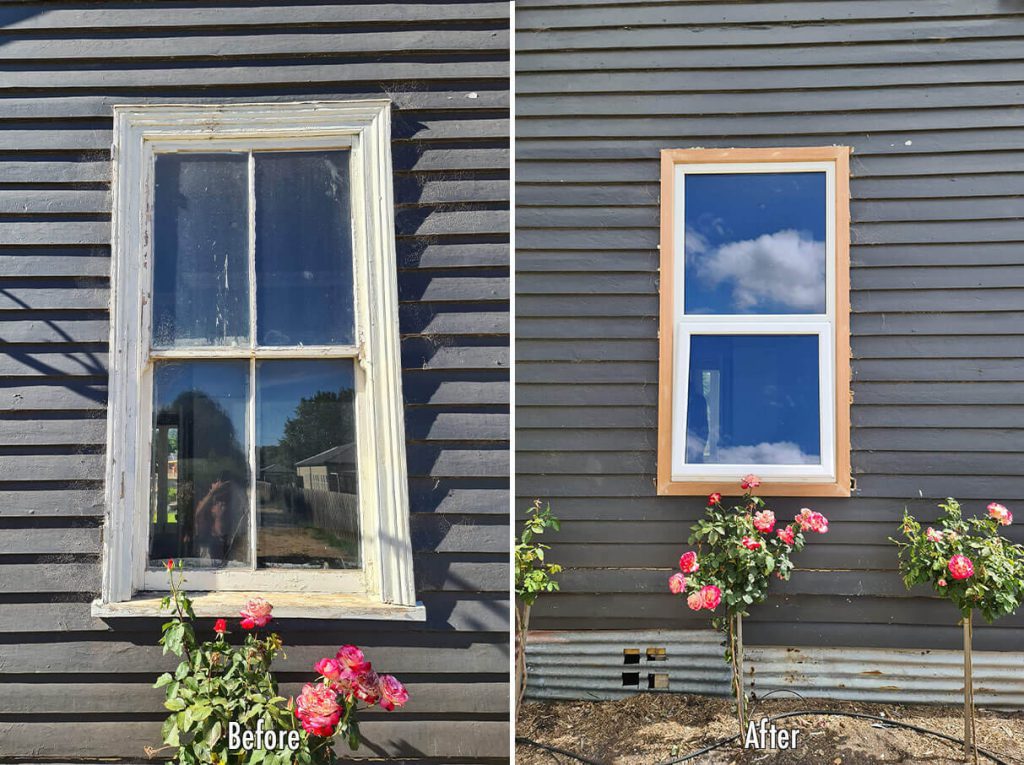
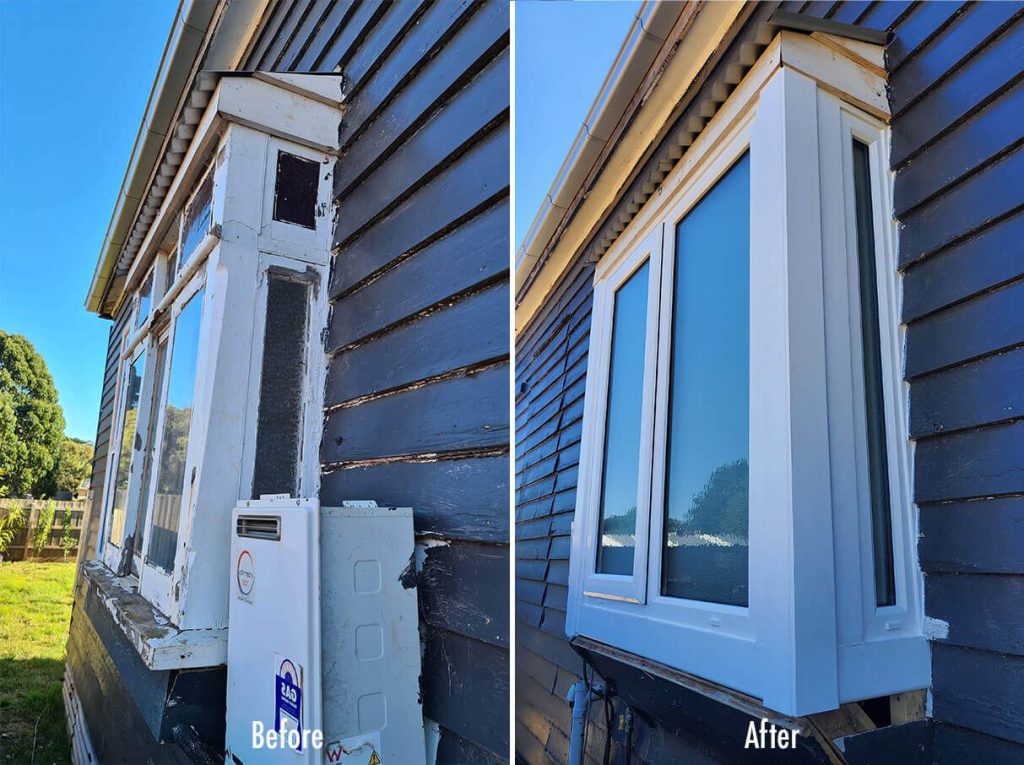
These considerations can be seen in a completed APS project in Ashburton, where traffic noise was one of the homeowners’ main concerns. The existing windows were replaced as part of a broader upgrade that also considered maintenance and energy performance.
Mr & Mrs. Stapar live near a very busy road in Ashburton in an older home they wanted to change their windows and update the property making in more maintenance-free whilst improving energy use but mostly to reduce the annoying noise from the passing traffic.
COMPLETED WORK:
APS improved their living environment and home by:
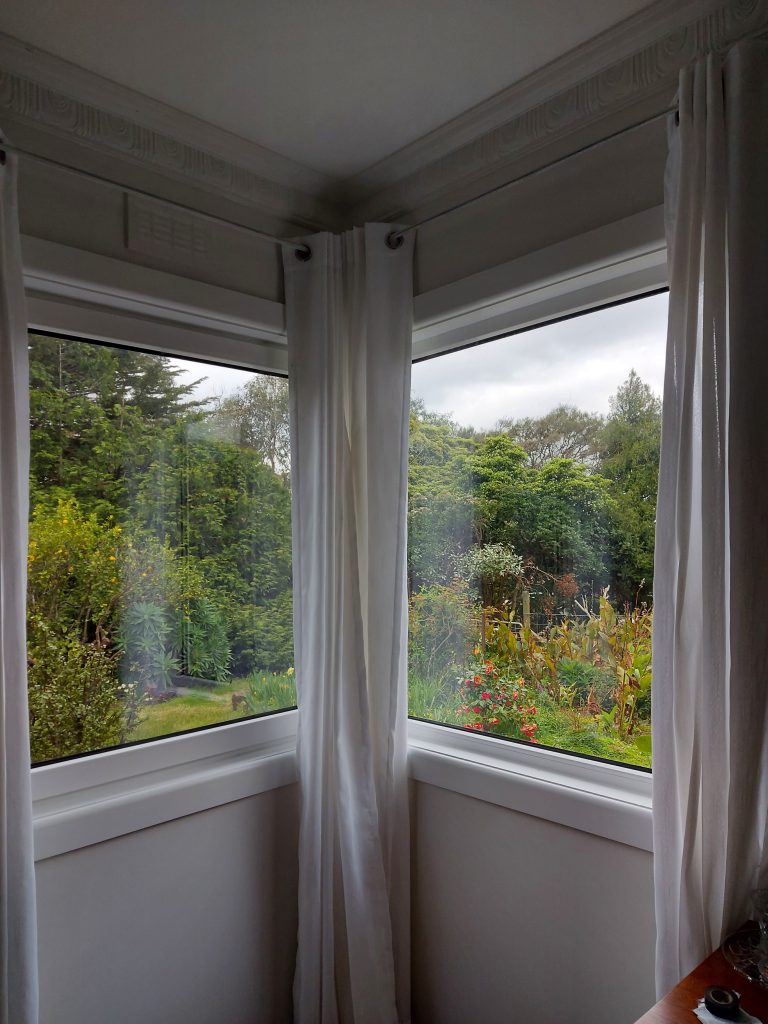
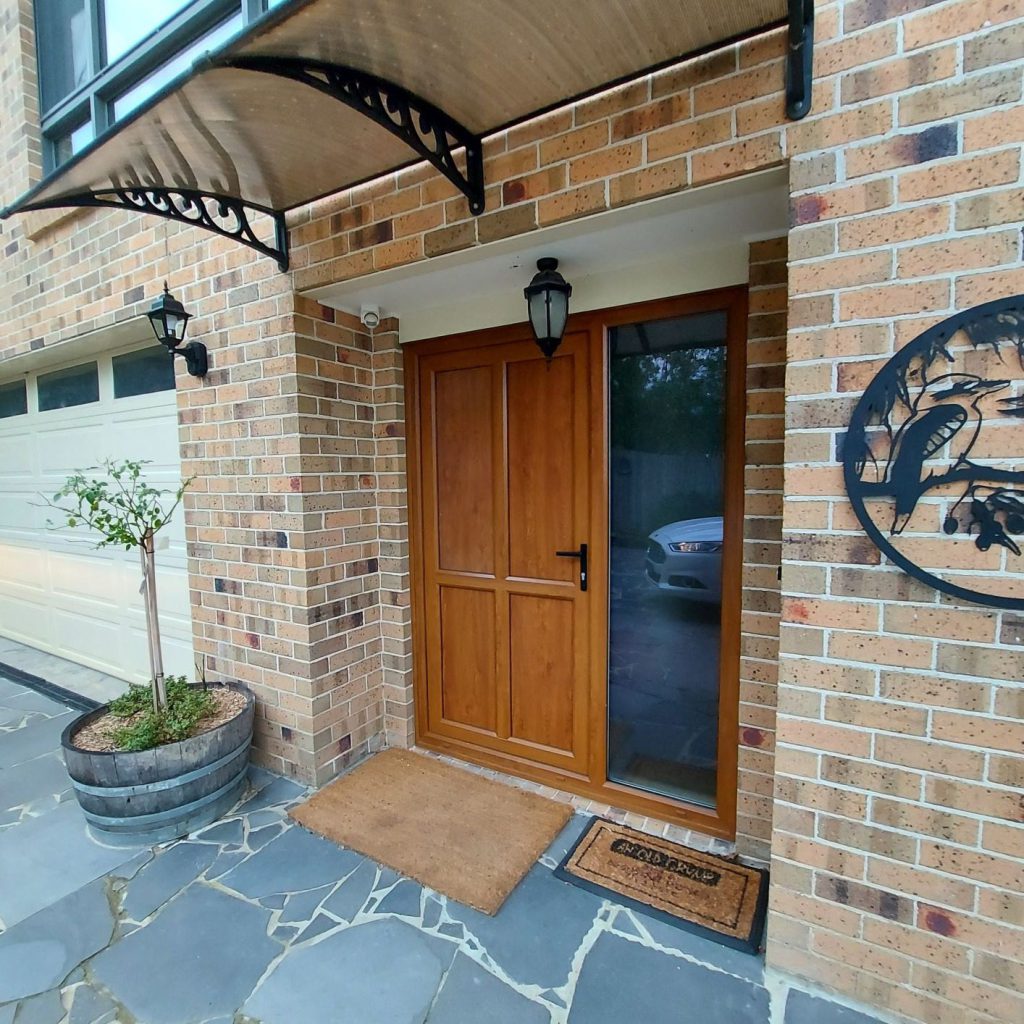
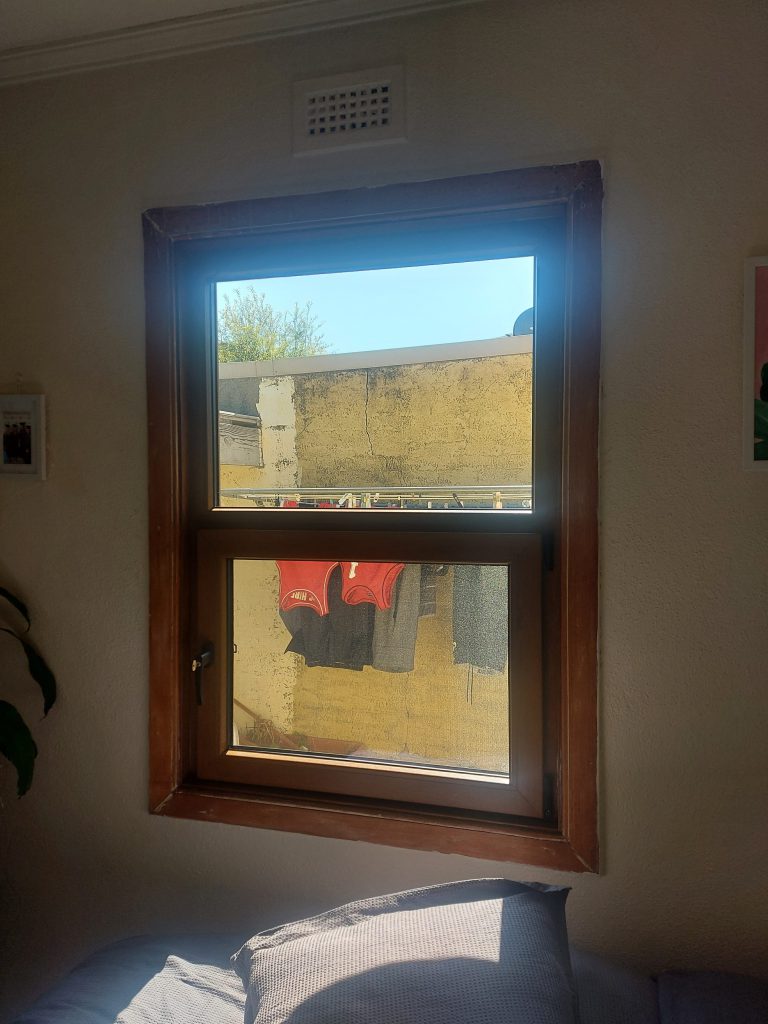
INFO FOR PHOTOS: These are tilt and turn UPVC windows with acoustic glass in an oak finish along with the oak front door.
Homes located near busy roads often benefit from window upgrades that improve acoustic performance as well as thermal comfort. Reviewing examples of uPVC windows and doors in Ashburton highlights how modern double glazing systems with acoustic glass can help reduce traffic noise while creating a more energy-efficient and low-maintenance living environment.

Google Review
Just to say a big thank you. We couldn’t be happier with the installation of windows in our house. From the start, the APS staff were absolutely amazing. Email and phone communication were easy and prompt. Lyle, who came first to inspect was an absolute gem. Ross and Nick, who installed the windows went above and beyond to install everything as agreed in our contract, and Simon did a quick job of installing flyscreens the other day. The whole team, both on the ground and in the office is amazing. If there are 10 stars I would award them to the team. Highly recommended for their professional service and excellent work. The windows installed look fantastic and fit in nicely with the whole house ambiance. Thanks, again. Suzana
The Ashburton project also illustrates why traffic noise should not be treated as a single, uniform sound. Cars, buses, trucks and motorcycles can generate different frequencies and levels of noise, while acceleration, braking and changes in road surface can alter what is heard inside the home.
The position of each room matters too. A road-facing bedroom may experience more frequent or intrusive sound than a living room positioned at the rear of the property. Distance from the road, neighbouring structures, window size and the surrounding building construction can all influence the result.
Homeowners looking to reduce road noise may therefore benefit from identifying where the problem is most noticeable and when it occurs. APS provides more detail about selecting windows for street noise, including how window configuration and sealing can affect acoustic performance.
It is more realistic to think about reducing unwanted traffic noise than creating complete silence. Windows are only one part of a home’s building envelope, and sound can also travel through doors, walls, roofs, vents and other openings.
Where acoustic comfort is a major priority, purpose-designed windows for noise reduction can be considered with the particular source of noise in mind. Glass thickness, laminated glass, pane configuration, frames, seals and installation can all influence the installed result.
This distinction matters for properties near busy Melbourne roads. A suitable system may make passing traffic less intrusive indoors, but the degree of improvement will vary between homes and should not be treated as a guaranteed reduction.
If traffic affects one side of the home more than another, identifying the most affected rooms can help guide the scope of a window upgrade. This can be particularly useful where homeowners are considering replacing windows in stages.
Road-facing bedrooms may be a priority where traffic is noticeable at night or early in the morning. Living areas and home offices can also warrant attention when regular vehicle noise interrupts conversation, television or concentrated work.
Window size and opening style should also be considered. A large glazed opening may require a different approach from a smaller bedroom window, while ventilation still needs to remain practical. The aim is to balance acoustic performance with the way each room is actually used.
Traffic noise may be the initial reason for replacing windows, but glazing choices also influence thermal performance. This is particularly relevant in Melbourne, where windows need to perform through cool winter conditions as well as warmer periods of the year.
Double glazing creates an insulating cavity between the panes, while uPVC frames can contribute to the thermal performance of the complete window system. Homeowners considering both acoustic and thermal comfort can therefore look at suitable energy efficient windows rather than treating the two objectives as entirely separate decisions.
The Victorian Government also provides information about eligible window glazing upgrades through the Victorian Energy Upgrades program. Eligibility, approved products, participating providers and incentive amounts can change, so current requirements should be checked directly before relying on a particular discount.
For an Ashburton property affected by road noise, a practical starting point is to identify where the sound is coming from and which rooms are most affected. Existing window condition, orientation, opening style and ventilation requirements can then be considered alongside the desired acoustic performance.
From there, glass configuration, uPVC frames, seals and installation can be assessed as a complete system. Where traffic noise reduction is a priority, making that clear at the specification stage allows the proposed glazing to be considered in relation to the home’s actual conditions rather than relying on a standard configuration.
The completed Ashburton project demonstrates how acoustic-focused glazing can form part of a broader window upgrade while also considering appearance, window operation, lower-maintenance materials and thermal performance.
Living near a busy road does not mean every outside sound can be removed, but appropriately specified uPVC double glazed windows may help reduce the amount of traffic noise entering a home. The most suitable approach considers the type and direction of the noise as well as glass selection, frames, seals, window configuration and installation.
For Ashburton homeowners, assessing these factors together provides a more useful basis for choosing double glazing for traffic noise than focusing on a single feature. It also allows acoustic comfort, ventilation and thermal performance to be considered as part of the same window upgrade.
This information is general in nature. Acoustic and thermal performance can vary according to glazing specifications, window systems, installation, building construction, property conditions and the type of external noise. Homeowners should obtain advice relevant to their property and requirements before selecting a window or glazing configuration.
Double glazing can help reduce traffic noise entering through windows, particularly when the glass, frames, seals and installation are selected with acoustic performance in mind. The level of improvement varies according to the window specification, property and external noise source.
Different glass thicknesses and laminated or acoustic glass may be considered for road-noise applications. The appropriate option depends on the frequencies and level of the noise as well as the design of the complete window system.
uPVC windows can form part of an acoustic-focused window system when combined with appropriate glazing, effective seals and suitable installation. Performance varies between configurations, so the window should be selected for the property’s particular conditions.
Complete soundproofing should not be assumed. Noise may also enter through walls, doors, roofs, vents and other parts of a building, so replacing windows addresses only one potential pathway.
Window configuration can influence sealing and therefore acoustic performance. Practical requirements such as ventilation, access and room use should also be considered when choosing between different opening styles.
Double glazing can support improved thermal performance by reducing heat transfer through windows compared with conventional single glazing. The overall result depends on the glass, frame, window design, installation and other characteristics of the home.
