
November ONLY: 35% OFF
APS IS OFFERING 35% OFF ALL ITEMS GET YOUR QUOTE NOW
APS IS OFFERING 35% OFF ALL ITEMS GET YOUR QUOTE NOW

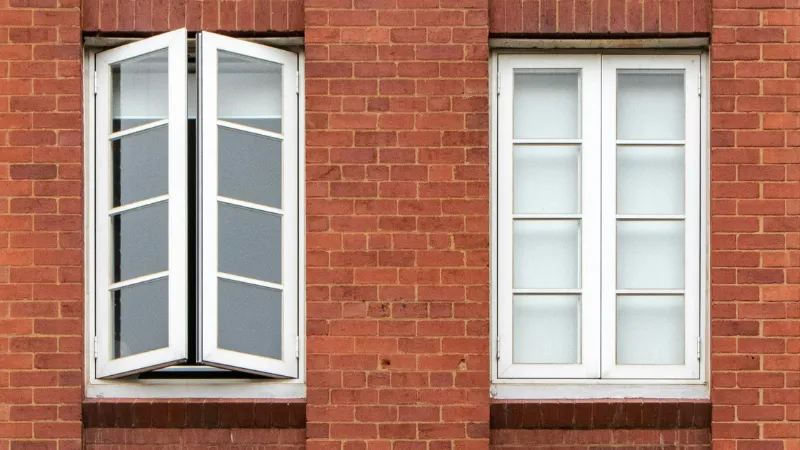
If you’re living in an older brick home, you’ve likely grown to love its charm—the solid construction, the character-filled details, the sense of history in every room. But you may also be familiar with some of the less appealing aspects: cold spots near windows in winter, street noise filtering through, or energy bills that seem to climb each season. Many homeowners in heritage or period properties wonder whether it’s possible to improve comfort and thermal performance without compromising the architectural features that make these homes special. For some homeowners, double glazing is one option they may explore as part of a considered approach to improving comfort while respecting original design features.
APS Double Glazing works with homeowners across Australia who are exploring ways to modernise older brick homes thoughtfully. As a knowledgeable provider of double glazing and double glazed windows, the team offers solutions that may help improve comfort, reduce noise, and support better energy efficiency—all whilst respecting the character that makes your home unique.
Brick homes across Australia span various eras—from Victorian and Edwardian periods through to post-war designs of the 1940s–1960s. These properties showcase distinctive styles, from ornate Victorian terraces to classic Edwardian-era homes and the Californian bungalows that became icons of Australian suburbs. Many of these properties feature solid brick walls, reflecting the building practices common at the time they were constructed. However, their original single glazed windows were designed to different standards than what we might expect today for thermal or acoustic performance. For homeowners researching double glazing old brick homes, understanding how modern glazing systems interact with traditional solid brick construction is often an important starting point.
Double glazing can work well alongside brick construction for several reasons. Brick walls naturally have some thermal mass, which means they can absorb and slowly release heat. When paired with double glazed windows, this combination may help maintain more stable indoor temperatures throughout the day and night. The insulating properties of upgraded glazing could reduce heat loss through windows—often one of the weaker points in a home’s thermal envelope.
For noise reduction in older homes, the pairing of brick walls with quality glazing might offer noticeable improvements, particularly if you live near busy roads, public transport routes, or active neighbourhoods. Whilst results can vary depending on window quality, installation, and other factors, some homeowners notice quieter indoor environments after upgrading.
One concern that often comes up when considering window upgrades is whether the changes will alter the home’s appearance or compromise its heritage value. This is where thoughtful planning and appropriate product selection can make a meaningful difference.
Modern window technology has evolved to offer options that may suit period properties:
Timber-look uPVC frames can provide an authentic appearance that closely resembles traditional timber windows whilst potentially offering improved thermal performance and reduced maintenance requirements compared to older timber frames. The woodgrain finishes available today can be quite realistic, which may help maintain your home’s period aesthetic from the street. These frames are commonly used across a range of traditional window styles, including casement windows, which are often found in older brick homes and may suit heritage façades when proportions are carefully matched.
Slim-profile double glazing uses advanced spacer technology to create thinner glazing units that might better match the proportions of original windows. This can be important in ensuring upgraded windows don’t appear bulky or out of place in a heritage setting.
Custom colour options allow you to select frame colours that complement your brick tones and existing colour scheme, which could help create a cohesive look that respects your home’s character.
Some older brick homes fall under heritage protection overlays, which can influence what changes you’re permitted to make to external appearances. It’s worth noting that not all older or period-style brick homes are heritage-listed—many have no restrictions at all, whilst others may have varying levels of protection depending on their location and significance. If you’re unsure whether your property is affected, you could try a heritage listing search tool to help identify whether a home appears on a recognised heritage register.
Where heritage restrictions do apply, consulting with your local council early in the planning process may help clarify what might be approved.
Heritage authorities increasingly recognise the value of energy-efficient upgrades, and there may be pathways for sympathetic improvements that maintain street-facing character whilst allowing internal or rear-facing modifications. In some cases, secondary glazing installed on the interior of existing windows might be an option where external changes aren’t permitted.
Double glazing old brick homes might contribute to several comfort-related improvements, though outcomes can vary based on many factors including your climate zone, home layout, and how the rest of your home is insulated.
Double glazing creates an insulating air gap (often filled with argon gas) between two panes of glass, which can help reduce heat transfer. In winter, this may mean less warmth escaping through your windows. In summer, it could help keep heat from entering. Combined with the thermal mass properties of brick walls, this might contribute to a home that feels more comfortable across different seasons.
Some homeowners notice that rooms feel more consistently comfortable after upgrading to double glazed windows, with fewer cold spots near window areas in winter. However, the degree of improvement you might experience depends on factors like window orientation, the quality of insulation elsewhere in your home, and your local climate conditions.
External noise can affect quality of life in ways we don’t always notice until it’s reduced. Double glazing may help dampen sound transmission from outside, potentially creating a more peaceful indoor environment. This could be particularly valuable if you live near busy areas or simply appreciate a quieter home.
The level of noise reduction can vary depending on the specific double glazing configuration, the quality of installation, and the type of noise you’re dealing with. Low-frequency sounds like traffic rumble may be more challenging to address than higher-frequency noises.
Older single glazed windows often develop condensation on cold surfaces, which can lead to moisture problems, mould growth, and damage to window frames and surrounding timber. Double glazing’s insulating properties can help keep the internal glass surface warmer, which may reduce condensation formation. This could contribute to healthier indoor air quality and less maintenance over time, though proper ventilation remains important in any home.
Energy upgrades for brick houses can potentially support lower heating and cooling costs, though the actual savings you might experience depend on many variables including your current energy usage, climate zone, and how you heat or cool your home.
Double glazed window systems may reduce your reliance on heating and cooling systems by helping maintain more stable indoor temperatures. This could translate to reduced energy consumption, though it’s difficult to predict exact savings as they vary significantly between homes.
Factors that influence potential energy savings include:
Some government incentive programmes may offer rebates for energy-efficient upgrades. It’s worth researching what might be available in your state or territory, as these programmes can change over time.
Energy-efficient features are increasingly valued in the property market. Whilst it’s difficult to quantify exactly how much double glazing might add to your home’s value, properties with quality modern windows may appeal to buyers who prioritise comfort and running costs. This could be particularly relevant in heritage areas where sympathetic upgrades are valued.
There are several pathways for upgrading windows in older brick homes, each with different considerations:
Full window replacement involves removing existing frames and installing completely new window systems. This approach might be suitable when existing frames are deteriorated, or when you want to change window sizes or configurations. It can offer maximum thermal and acoustic performance, though it’s generally the most comprehensive and costly option.
Some systems allow new double glazed units to be installed into existing timber frames, which can preserve original joinery whilst upgrading glass performance. This might appeal to homeowners who want to maintain authentic period frames, reduce waste, or work within heritage restrictions. The performance may not match complete replacement, but it could still offer meaningful improvements whilst being more cost-effective.
Secondary glazing involves adding an internal glazing layer to existing windows. Whilst this doesn’t create a sealed double glazing unit, it can provide improved insulation and noise reduction. It’s often reversible, which might be important for heritage-listed properties, and installation is usually less disruptive than full replacement.
If you’re considering upgrading windows in your older brick home, careful planning can help ensure the project goes smoothly and achieves your goals.
Start by identifying which aspects of your home you’d most like to improve. Walk through your property and note which rooms feel coldest in winter or warmest in summer, where external noise is most noticeable, and which windows show signs of age or damage. This can help you prioritise which windows to upgrade first if you’re staging the work.
Consider what’s most important to you—whether that’s thermal comfort, noise reduction, energy efficiency, or maintaining heritage character. Clear priorities can guide your product selection and help you make informed decisions when consulting with window specialists.
Window upgrades represent a significant investment, and costs can vary widely depending on the scope of work, products chosen, and any heritage-related requirements. Consider whether you want to upgrade all windows at once or stage the work across multiple phases, perhaps focusing first on the rooms where you spend most time or where problems are most noticeable.
Most window projects take several weeks from initial consultation through to installation, with custom heritage-suitable options potentially requiring longer lead times for manufacturing.
Check whether your planned upgrades require council approval. Heritage-listed properties typically require permits for external changes, and other homes may need approval depending on local planning schemes. Starting this process early can prevent delays and allow time to address any questions authorities might raise.
Choosing experienced window specialists who understand older properties can help support a smoother project outcome. Look for providers who can show examples of similar work, explain the thermal performance characteristics of different options, and offer products suitable for period-style homes.
APS Double Glazing has worked with homeowners renovating older brick homes, offering timber-look uPVC frames and other solutions designed to suit Australian conditions. The team can discuss what might work for your specific situation, taking into account factors like your home’s age, style, local climate zone, and whether any heritage considerations apply.
Double glazing works most effectively as part of a comprehensive approach to home comfort and efficiency. If you’re undertaking renovation work, consider how window upgrades might work alongside other improvements:
Insulation: If walls are being opened during renovation, adding or upgrading insulation could complement your window upgrades. Brick cavity walls can sometimes accommodate blown-in insulation, whilst ceiling insulation is often cost-effective and can work well with improved windows.
Draught sealing: Addressing gaps around doors, architraves, and service penetrations can help ensure that improved windows deliver their full potential benefit. Even small gaps can reduce the effectiveness of other thermal improvements.
Window treatments: Heavy curtains with pelmets or cellular blinds can provide additional insulation during extreme weather. Choose treatments that complement your heritage aesthetic whilst offering practical benefits.
Ventilation: Ensure your window upgrade maintains good natural ventilation capacity. Operable windows in strategic locations can support cooling breezes during milder weather, reducing reliance on air conditioning.
Understanding what the installation process might involve can help you prepare and set realistic expectations.
Window installation in older homes requires care and skill. Installers need to work with existing wall structures, which may include solid brick, cavity brick, or brick veneer. The condition of existing timber reveals and sills may influence how the work proceeds.
Professional installers will typically protect your home’s interior during the work, remove old windows carefully (particularly if any elements are being retained), ensure new frames are properly sealed and weatherproofed, and test all opening mechanisms before completing the job.
After installation, you might notice immediate differences—rooms may feel quieter, and temperature differences between window areas and the rest of the room may be less pronounced. However, some changes become more apparent over time as you experience your home through different seasons.
It’s worth monitoring how your home performs and noting any areas where draught sealing or other minor adjustments might help. Most reputable installers will address any performance issues discovered shortly after installation.
Upgrading windows in an older brick home is a considered decision that balances multiple factors: the desire to improve comfort and efficiency, the importance of maintaining character, practical considerations around budget and timing, and any heritage requirements that might apply.
There’s no single “right” answer—what works well for one home might not be the best choice for another. Your decision might depend on factors like your home’s specific condition, your local climate, how long you plan to stay in the property, and what aspects of performance matter most to you.
Taking time to research options, consult with experienced professionals, and understand any heritage requirements can help you make an informed choice that you’ll be satisfied with for years to come. The goal is to find an approach that honours what makes your brick home special, whilst potentially improving how comfortable and efficient it is to live in.
If you’re exploring options for double glazing in old brick homes or simply want to learn what may suit your home, you’re welcome to contact the team at APS Double Glazing for guidance tailored to your situation.
Disclaimer: This article provides general information only. Window and door performance may vary depending on product choice, installation quality, home design, climate and maintenance. Any comfort, noise or efficiency outcomes can differ between properties, so it’s best to seek advice specific to your home and circumstances.
It may be possible to install double glazing in heritage-listed properties, though the options and approval process can vary depending on your local council’s requirements and the specific heritage overlay affecting your home. Some councils permit sympathetic window upgrades that maintain street-facing character, whilst others may require internal secondary glazing solutions. It’s advisable to consult with your council’s heritage advisor early in your planning to understand what might be approved for your specific property.
Brick walls can absorb and slowly release heat, which is often described as thermal mass. When combined with double glazed windows, this pairing may help maintain more stable indoor temperatures. The windows potentially reduce heat loss or gain through the glazing, whilst the brick walls moderate temperature fluctuations. However, the effectiveness depends on factors like wall thickness, window orientation, climate zone, and whether the brick walls are also insulated.
Modern double glazing options like timber-look uPVC frames are designed to closely resemble traditional timber windows, which may help maintain your home’s period aesthetic. Slim-profile glazing units can match original window proportions more closely than older double glazing designs. Custom colour choices also allow frames to complement your existing brick and trim colours. The impact on appearance depends on the products chosen and how they’re installed, so it’s worth discussing aesthetic considerations with your window specialist.
Retrofit double glazing involves installing new insulated glass units into your existing timber window frames, which can preserve original joinery and may be more cost-effective than full replacement. Full window replacement removes the entire frame and installs a completely new window system, which typically offers maximum thermal and acoustic performance. Retrofit might be preferred when frames are in good condition or heritage requirements favour retaining original elements, whilst replacement could be more suitable when frames are deteriorated, or you want to change window configurations.
Council approval requirements vary depending on your location and whether your property has any heritage overlays or planning restrictions. Heritage-listed properties typically require approval for external changes, including window replacements. Non-heritage properties may also need approval depending on local planning schemes, particularly if changes affect the building’s external appearance. It’s advisable to check with your local council before proceeding with window upgrades to understand what approvals might be needed for your specific situation.