
November ONLY: 35% OFF
APS IS OFFERING 35% OFF ALL ITEMS GET YOUR QUOTE NOW
APS IS OFFERING 35% OFF ALL ITEMS GET YOUR QUOTE NOW

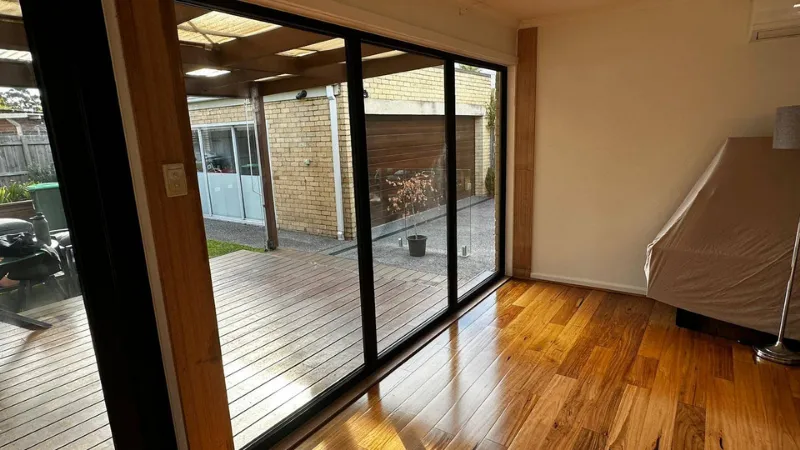
Most people start looking into double glazing because something about the home does not feel quite right. A living room that never warms up, a west-facing space that bakes every afternoon, or old windows that rattle when the wind picks up.
Once you reach the stage of getting double glazing quotes, the focus quickly shifts from comfort to contracts. Numbers, product names, and installation notes begin to appear, and it can be hard to know what is normal, what is negotiable, and what is missing. At APS Double Glazing, we often see this is the point where homeowners begin asking more detailed questions about what is included, how installation will work, and what support may apply over the long term.
In practice, the questions you ask before signing a double glazing contract can be just as important as the windows themselves. Good questions help you understand what is actually being supplied, how it will be installed, and what support you might receive if something goes wrong years down the track. This is particularly important for full window replacement projects where both frames and glass are being changed.
This guide outlines practical, specific questions you can ask before committing. It is written for Australian homes, where climate, building codes, and bushfire considerations all play a role, and where different suppliers may have different products, policies, and installation methods.
A double glazing quote can range from very simple to extremely detailed. Before you compare prices, you need to know whether you are comparing the same scope of work.
Helpful things to clarify. Ask whether the contract clearly spells out:
A clear contract should let you walk around your home, window by window, and understand exactly what will happen at each opening.
If something is only described in a brochure but not named in the contract, ask for it to be written in.
Many Australian contracts mention “double glazing” without explaining what sits inside the insulated glass unit. A few small details can change performance, safety, and cost.
You can ask:
You do not need to become a glazing engineer. The aim is to ensure that the same IGU configuration described verbally is clearly documented so it can be checked during manufacture and installation.
Performance labels and brochures are helpful, but they are still generic. Ask the installer to relate the proposed glazing to your specific house. For example:
Different double glazing companies may offer different configurations even at similar price points. Listening carefully to how clearly they can explain the impact on your home can be very revealing.
In Australia, window and glass compliance is not optional. Your contract should reflect this. You can ask:
If your home is part of a strata property or subject to a heritage overlay, ask how the installer will manage any additional approvals that may be required. In some cases, this will be your responsibility, so it is important to be clear.
Many manufacturers have windows rated under Australian schemes that provide U-values and solar heat gain figures. Ask whether:
Not every configuration in every project will have a formal label, especially for very customised builds. However, reputable suppliers should still be able to explain the basis of the performance they are describing.
The contract should clarify who is responsible for installation. You can ask:
Good installation is critical. Even well-designed double glazed windows in Australia can underperform if they are not installed square, sealed, and supported correctly, which is why understanding the role of professional installation may help set realistic expectations.
Window replacement and retrofit work often disturbs plaster, paint, tiles, or external cladding around the opening. It is worth asking for details on:
Some installers include basic making good. Others limit their work to the window itself. The contract should be very clear so there are no surprises once the old frames are removed.
A smooth installation often depends on how the home is prepared. To avoid stress, ask:
This helps you plan your schedule and understand how disruptive the work is likely to be.
Manufacturing and double glazed window installation times can vary based on workload, glass supply, transport, and weather. Helpful questions include:
Some companies may provide indicative timeframes only rather than fixed dates, especially in periods of supply pressure. Understanding this upfront can reduce frustration later.
For multi-window projects, work may be spread over several days. Ask:
This is especially important if you work from home, care for children, or have specific access needs.
A clearly written window replacement contract for double glazing should list inclusions and exclusions in plain language. You can ask:
It is also sensible to ask how variations are managed. For example:
Knowing how surprises will be handled can be just as important as the initial quote.
Different suppliers may have different payment structures. Before signing, ask:
If you are using a finance or a staged renovation budget, make sure the payment schedule is practical for you and that you understand any fees for late or missed payments.
A double glazed window system involves several components, each of which can have different warranty periods in addition to your basic consumer guarantees. Consider asking:
Just as important is the process itself. Ask how you would lodge a warranty claim, how long the assessment usually takes, and what sort of issues are typically covered.
Windows are long-term components that benefit from occasional adjustment and care. Before signing, ask:
Understanding what support exists in five or ten years can be as comforting as knowing who will be on site next month.
Contracts often get signed at the end of a long quoting process, when people are tired of making decisions. It is worth pausing to ask:
Sometimes, small adjustments at the contract stage can save frustration later, especially around furniture placement, walkways, and how doors swing.
Not every home is upgraded in one go. If you are planning to replace some windows now and others later, ask:
Clear documentation today can make the next stage simpler, even if you choose a different installer in future.
It can feel daunting to ask so many questions, especially if you are not familiar with construction or contracts. In reality, most reputable double glazing companies appreciate informed questions. They show that you are serious about your home, your budget, and the long-term performance of the windows.
A helpful approach is to:
Taking this time may feel cautious, but windows are a long-term investment that affects comfort, safety, and energy use every day. A clear contract does not remove all risk, yet it helps align expectations so everyone understands what success looks like when the work is finished.
If you are considering double glazing for your home and would like support understanding quotes and options, you can contact APS Double Glazing. We can discuss suitable products, typical timeframes, and the types of questions that may be most relevant for your home, climate, and project size.
Disclaimer: This guide provides general information only. Double glazing products, installation methods, regulations, and contract terms can vary between suppliers and locations. It is important to review your specific contract carefully and seek professional advice where needed before committing to any agreement.
Some homeowners ask for a “test window” as part of a double glazing installation, especially in older properties. Not all companies offer this because it affects scheduling and pricing, but some may allow it for large projects. If this interests you, ask whether the contract can be staged, with the option to proceed once you have seen the first installation.
Double-glazing frames can sometimes be deeper than older single-glazed systems. This may slightly alter the appearance or depth of internal reveals. You can ask whether any adjustments will be needed to sills, architraves, or blinds, so you understand any aesthetic changes before installation begins.
Some homeowners prefer keyed-alike hardware for security and convenience. Not all window systems or hardware ranges support this, so it is best to check early. If available, ask for this requirement to be noted in the contract so it is supplied consistently across all windows and doors.
Trickle vents are more common in the UK and Europe, but some Australian systems now offer similar features. If you live in a humid or coastal climate, or prefer low-level ventilation overnight, you can ask whether these options are available and compliant with local standards.
Alarms, wired sensors, and even Wi-Fi devices near window frames may need temporary removal or adjustment. Installers generally do not modify electrical systems, so you can ask what preparation is required and whether you need your electrician or security provider involved. Adding this to the contract helps coordinate responsibilities.