
November ONLY: 35% OFF
APS IS OFFERING 35% OFF ALL ITEMS GET YOUR QUOTE NOW
APS IS OFFERING 35% OFF ALL ITEMS GET YOUR QUOTE NOW

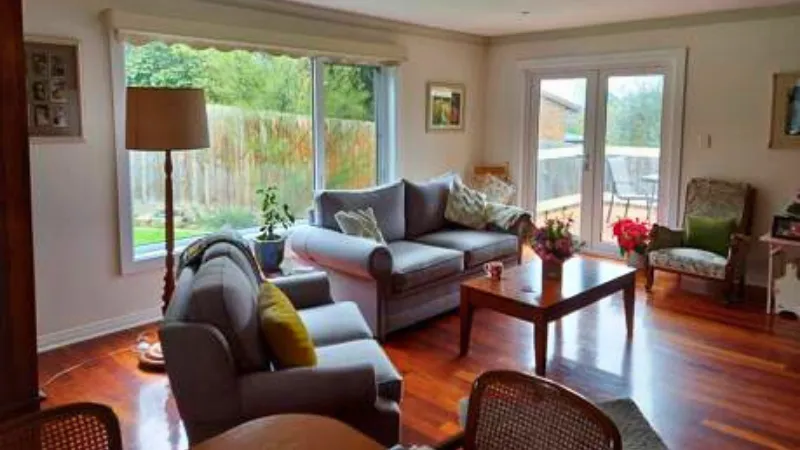
Most homeowners start thinking about double glazing and power bills when the numbers stop matching the way the house feels. The heater has been on, the lounge is still a bit cool near the windows, and summer afternoons make one side of the home hard to settle. You might not be running the air con more than before, yet the numbers keep creeping up.
At APS Double Glazing, we see this pattern a lot. People are not usually chasing perfect efficiency. They just want a home that is easier to keep comfortable, without constantly turning systems up.
When you look closely, windows often explain a big part of the story. Glass is one of the least insulated surfaces in most homes, and it is also where sunlight enters. That means windows can affect both winter heat loss and summer heat gain, which can influence electricity and gas use.
If you are weighing up whether an upgrade is worth it, it helps to start with the basics of what double glazing actually changes as part of a broader window replacement decision.
For a clear overview of options and how they are typically specified, start with double glazed windows, because the glass choice, the frame choice, and the installation approach all influence what you might feel in each room.
This guide breaks savings down room by room, not as a promise of exact dollars, but as a practical way to see where double glazing usually makes the biggest difference, and what details can reduce or increase that impact.
Two households can install similar windows and get very different bill outcomes. That is not a flaw in double glazing. It is simply that your power bills are influenced by your heating and cooling costs, when you use the home, and which rooms get the toughest sun and wind exposure.
Savings can shift depending on:
So rather than chasing one headline number, it is often more useful to ask where your home loses heat in winter, where it gains heat in summer, and which rooms drive most of your home energy use for heating and cooling.
Double glazing typically reduces heat transfer compared with single glazing. That does not automatically equal a guaranteed reduction in bills, but it can reduce the “load” your heating and cooling systems are trying to manage.
In practical terms, it can mean:
There is also a behavioural side. When rooms feel more stable, many people naturally use less top-up heating or cooling because they are not trying to fight the window zone.
Before you go through room-by-room energy savings, it helps to spot the “high impact” areas. These are the spaces where windows tend to influence comfort so strongly that energy use often follows.
Double glazing often has the biggest effect if you have:
If your home already has great shading, small window areas, and you barely run heating or cooling, bill changes can be smaller. Comfort can still improve, but the savings story may be more subtle.
This is usually the most expensive zone to condition because it is large, used often, and tends to have bigger glazing areas. If double glazing makes any room feel noticeably easier to control, it is often this one.
Where savings may come from:
Signs this room is “window-driven”:
Small extras that can improve outcomes:
Kitchens have their own heat and moisture loads. That means glazing upgrades here often show up as a comfort improvement first, and a bill improvement second, because the room stops tipping the whole zone into “cooling mode”.
Where savings may come from:
What you might notice:
One important caveat is ventilation. If your rangehood exhausts a lot of air, it can pull conditioned air out of the home. Some homes get more bill impact by balancing extraction performance with make-up air pathways, depending on the setup.
Bedrooms can deliver what feels like quiet savings because the comfort change can reduce the need for frequent reheating. If a room loses heat quickly overnight, people often compensate with longer heating periods in the morning.
Where savings may come from:
Signs the window is part of the problem:
A useful detail is that not every bedroom needs the same specification, and some homes benefit from tailoring glazing by orientation and usage rather than treating every room the same.
If someone works from home, this room becomes a daytime conditioned zone. That shifts your energy profile, and it is why a single room can have an outsized influence on bills even if it is not the biggest space.
Where savings may come from:
What to prioritise:
These rooms are usually not conditioned as consistently, so bill savings are often modest. Still, double glazing can improve how the room feels after showers and may reduce the chance of condensation on windows forming on the pane.
Where it can help:
In wet areas, ventilation typically matters more than glazing for energy. If the extraction is poor, moisture and comfort issues can persist even with upgraded windows.
These spaces do not always look important, but they often connect the whole house. A tall stairwell with glazing can move heat around like a chimney, which can raise heating or cooling demand across multiple rooms.
Where savings may come from:
Big door openings can be some of the leakiest points in the envelope. Even with good glass, alignment, seals, and hardware affect airtightness. This is why “door performance” is often as much about installation and fit as the product itself.
Where savings may come from:
Doors also have more movement and wear than windows, so longevity depends on maintenance and how well the system was installed.
Most of the savings story comes down to matching the specification to the room. A strong product can underperform if it is mismatched to sun exposure or if installation standards are not met and the window is not sealed correctly.
This is also where an experienced supplier matters. At APS Double Glazing, we can help you balance glass selection, frame performance, and installation details, so the final outcome suits your layout rather than relying on a generic, one-size-fits-all specification.
Key factors include:
A simple way to make this real is to connect your energy usage to the rooms that create the load before planning window upgrades.
This will not give you an exact dollar figure, but it usually gives you a more accurate decision pathway than relying on broad averages.
Double glazing does not create savings by itself. It reduces heat loss, reduces heat gain when specified correctly, and improves comfort, so you are less likely to overuse heating and cooling. The biggest changes often come from living zones, west-facing rooms, and bedrooms that struggle overnight.
If you want help mapping the best approach, APS Double Glazing can talk through which rooms to prioritise, what combination may suit each orientation, and what installation requirements may apply for your home. Some homes need staged upgrades, and some homes can do the whole home at once, depending on access, existing frames, and budget.
Disclaimer: This guide provides general information only. Energy use, power bills, comfort outcomes, and installation requirements vary by home design, window sizes, orientation, shading, existing construction, and the product specification selected. Results also vary by household behaviour, HVAC type, and energy tariffs. It is best to seek advice based on your specific property and circumstances.
It can, but the benefit often shows up differently. Solar helps you generate power, while double glazing can reduce how much heating and cooling you need in the first place. In many homes, this means you use less energy overall, and you may also shift more usage into your solar window because the system runs less aggressively. Actual savings depend on your tariff, battery setup, and when you heat and cool.
It may, especially if the room you heat loses a lot of warmth through glass or draughty frames. Double glazing can help that room hold temperature for longer, so your heater cycles less. The improvement is usually strongest when the existing window is leaky or very cold to sit near. Some homes still see limited bill change if the biggest heat losses are elsewhere, like ceilings, underfloor gaps, or open doorways.
They can reduce the triggers that cause systems to cycle, like radiant heat from hot glass, cold downdrafts, and quick temperature swings near windows. That said, phantom usage is often a mix of thermostat placement, sensor accuracy, and how the system is sized. Double glazing can improve stability, but it works best as part of a whole-home approach, especially in open-plan areas.
South-facing glass in Australia often loses more heat than it gains, so the value is typically about insulation rather than solar control. Double glazing can reduce the cold surface effect and make the room feel more even, which may reduce how long heating runs. Whether it is “worth it” depends on how often you condition that room and how large the south-facing glazing area is.
Indirectly, yes, sometimes. When rooms have cold glass and draughts, people often run the heating hotter to feel comfortable, which can make indoor air feel drier. By reducing cold surfaces and drafts, double glazing can make the same room feel comfortable at a lower thermostat setting. It will not “add humidity”, but it may reduce the need to overheat the space just to feel warm.