
November ONLY: 35% OFF
APS IS OFFERING 35% OFF ALL ITEMS GET YOUR QUOTE NOW
APS IS OFFERING 35% OFF ALL ITEMS GET YOUR QUOTE NOW

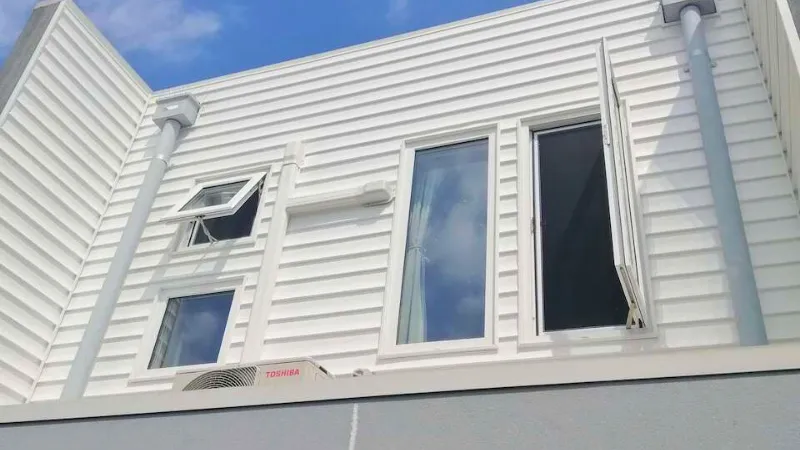
Most homeowners encounter the NatHERS star rating during a build or renovation, often as a compliance requirement rather than a design tool. While insulation, layout, and orientation are usually discussed early, windows tend to receive less attention, despite their outsized influence on thermal performance.
In Australian homes, windows sit at the intersection of heat, light, and comfort. They respond immediately to weather conditions, sun angles, and temperature swings, which means they can either reinforce a home’s energy strategy or quietly work against it. This is why double glazed windows play such a central role in how a home performs under NatHERS modelling.
At APS Double Glazing, we often find that once homeowners understand how glazing affects their NatHERS score, window decisions become clearer and more purposeful. Rather than choosing windows on appearance alone, the focus shifts to how each opening contributes to year-round comfort.
This guide explains how window glazing choices can influence NatHERS star ratings, why window performance carries more weight than many expect, and how glazing choices interact with climate, orientation, and everyday living in Australian homes.
The Nationwide House Energy Rating Scheme (NatHERS) predicts how well a home maintains comfortable internal temperatures using minimal artificial heating and cooling. It does not measure energy bills or appliance efficiency. Instead, it models heat movement through the building envelope across a full year using local climate data.
Two homes can achieve the same star rating in very different ways. One may rely on small window areas and heavy insulation. Another may use larger windows paired with higher-performing double glazed windows that manage heat more effectively. In this context, windows are not a weakness to minimise, but a variable to manage carefully.
Because glass is more thermally active than walls or roofs, windows respond faster to external conditions. NatHERS modelling captures this sensitivity. Well-specified glazing supports the model. Poorly performing windows are quickly exposed.
Compared to insulated wall systems, glass allows significantly more heat transfer per square metre. It is also subject to solar radiation, night-time heat loss, wind exposure, and rapid temperature changes, all at once.
In NatHERS simulations, windows influence:
This is not a modelling flaw. It reflects real physics. A single underperforming window can offset gains made elsewhere, particularly in living areas and bedrooms where comfort thresholds are tighter.
Double glazed windows reduce this vulnerability. By slowing heat movement, they give the overall design more tolerance and allow insulation, orientation, and shading strategies to work as intended.
Thermal stability is central to NatHERS scoring. The software tracks how often indoor temperatures drift outside comfort bands, how quickly they recover, and how long heating or cooling systems would need to run.
Double glazing slows temperature drift. Instead of sharp spikes and drops, internal conditions change more gradually. This matters because frequent or prolonged departures from comfort are penalised, even if average temperatures appear acceptable.
In everyday terms, this translates to rooms that feel more even throughout the day, fewer cold mornings, and less late-afternoon overheating. The home becomes easier to live in, not just easier to model.
NatHERS relies heavily on two glazing metrics.
U-value describes how readily heat passes through a window. Lower values typically indicate better insulation and can support stronger winter performance.
Solar Heat Gain Coefficient (SHGC) measures how much solar heat enters through the glass. Managing SHGC is critical in warmer climates and west-facing rooms, while cooler regions may benefit from allowing controlled winter sun.
Chasing the lowest possible U-value or SHGC without context can backfire. Extremely low SHGC glazing may limit beneficial winter warmth in cooler climates, increasing heating demand in the model.
NatHERS rewards balance. The goal is not maximum insulation everywhere, but appropriate performance for each orientation and climate. Double glazing allows this tuning to happen room by room, rather than forcing a single solution across the entire home.
NatHERS treats each orientation differently, reflecting real solar behaviour.
Usually benefit from balanced insulation with moderate solar gain, supporting winter comfort without excessive summer heat.
Experience short but intense morning sun. Double glazing helps smooth the transition from cool mornings to warmer conditions.
Often the most challenging in Australia. Long afternoon sun drives peak cooling loads. Double glazing with suitable solar control may deliver measurable star rating improvements here.
Receive little direct sun and rely heavily on insulation. Double glazing reduces cold surface effects and winter heat loss.
In practice, assessors often find that targeted improvements to the most exposed orientations can deliver greater gains than broad, untargeted changes elsewhere.
Australia’s diverse climate zones mean glazing performance is never universal.
In cooler southern regions, double glazing supports overnight heat retention and reduces heating demand. In warmer or mixed climates, limiting peak heat gain becomes more important. In inland areas with large day-night temperature swings, thermal lag and pressure stability matter.
Pressure differentials caused by elevation and rapid temperature changes place ongoing stress on window systems. High-quality double glazed windows are designed to remain stable under these conditions, helping ensure long-term performance aligns with NatHERS assumptions made at certification.
NatHERS does not discourage large windows outright. It discourages unmanaged heat flow.
Well-performing double glazing allows larger glazed areas without the same energy penalty. This supports better daylight access, stronger indoor-outdoor connections, and more flexible architectural design.
Rather than shrinking windows to chase stars, improving glazing performance often achieves better results, both numerically and experientially.
While NatHERS focuses on glazing performance values, real comfort depends on how windows seal and operate.
Double glazed awning windows, double glazed casement windows, and tilt and turn double glazed windows often achieve strong seals, supporting airtightness assumptions used in modelling. Double glazed sliding windows require careful detailing to minimise air leakage, particularly in large openings.
Fixed windows provide excellent thermal performance where ventilation is not required. Bay and corner windows increase exposed glazing area, making double glazing especially important in managing heat flow.
NatHERS assumes windows perform as specified. Installation quality determines whether that assumption holds true in daily life.
NatHERS does not account for installation defects. Gaps, misalignment, and poor sealing are not modelled, but they are felt immediately by occupants.
Properly installed double glazed systems support airtightness more reliably than older glazing approaches. This helps ensure the comfort predicted by the star rating is actually delivered, rather than remaining theoretical.
Noise performance is not assessed by NatHERS, yet it shapes how people use their homes.
Double glazing reduces external noise, encouraging occupants to sit closer to windows, keep blinds open longer, and rely less on artificial lighting. These behavioural changes often support energy efficiency indirectly, even though they sit outside formal modelling.
NatHERS ratings are assessed at completion, but homes are lived in for decades.
As windows age, small declines in performance can gradually increase heating and cooling demand. Well-designed double glazing slows this ageing curve, preserving comfort and thermal performance well beyond the certification period.
This longevity matters because energy efficiency is cumulative. Small daily improvements add up across years of use.
In renovation projects, improving NatHERS performance can be challenging due to existing constraints. Windows often present one of the most effective upgrade pathways.
Targeted replacement with double glazed windows can:
In many older homes, glazing upgrades transform rooms that were previously difficult to heat or cool.
When understood properly, NatHERS becomes a guide for better living rather than a box-ticking exercise. Windows sit at the centre of that process.
Double glazed windows help align architectural intent, climate responsiveness, and comfort expectations. Rather than chasing stars in isolation, the focus shifts to creating homes that feel naturally comfortable most of the time.
High NatHERS scores often reflect thoughtful decisions made early. Windows influence comfort every hour of the day, across all seasons.
A well-considered glazing strategy supports temperature stability, reduces energy demand, improves liveability, and ages gracefully. When done well, double glazing disappears into the background, not because it does little, but because it performs consistently and quietly.
If you are planning a new build, renovation, or window replacement and want to understand how glazing choices may influence your NatHERS outcome, APS Double Glazing can help explain suitable options based on your home’s design, climate, and long-term comfort goals.
Disclaimer: This article provides general information only. NatHERS star ratings, window performance, and installation outcomes vary depending on home design, climate zone, construction methods, and assessment assumptions. Always seek advice specific to your property and circumstances.
Not always. Double glazing improves thermal performance, but the impact on the NatHERS score depends on window size, orientation, climate zone, and how the rest of the home is designed. In some cases, the rating increase is modest, but comfort improvements are still noticeable.
Yes, in some situations. For example, glazing with very low solar heat gain may reduce useful winter warmth in cooler climates, which can increase heating demand in the model. This is why glazing needs to be matched to orientation and location, not selected in isolation.
No. NatHERS assumes standard occupant behaviour, such as typical window operation and blind use. It does not model individual habits. Double glazing helps reduce reliance on perfect behaviour by making the home more forgiving when windows are closed or conditions change unexpectedly.
Yes. Glazed doors, such as sliding, stacking, bifold, and French doors are treated as part of the glazing system in NatHERS modelling. Because doors often have large glass areas, upgrading them to double glazing can have a meaningful effect on comfort and thermal performance.
Not automatically. A NatHERS rating reflects the home at the time of assessment. However, if windows are upgraded during a renovation or extension that requires reassessment, double glazed windows can influence the updated rating and overall compliance outcome.