
November ONLY: 35% OFF
APS IS OFFERING 35% OFF ALL ITEMS GET YOUR QUOTE NOW
APS IS OFFERING 35% OFF ALL ITEMS GET YOUR QUOTE NOW

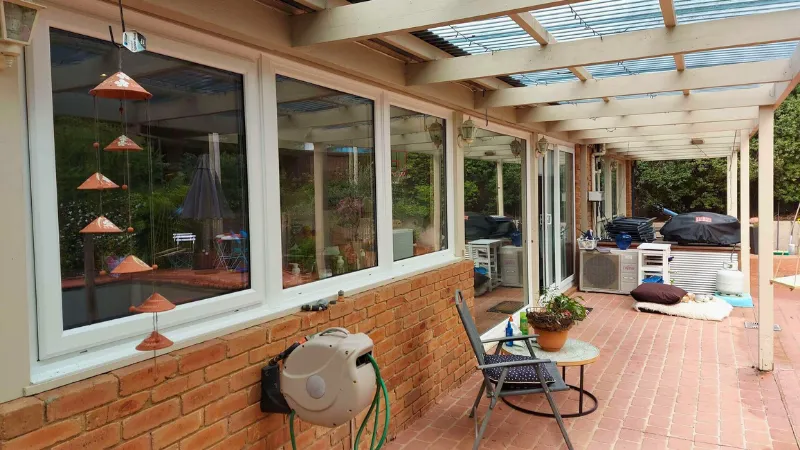
If your home feels colder than it should in winter, warmer than expected in summer, or noisier than you would like, your windows are often part of the problem. In Melbourne, where homes experience cool winters, hot summers, and increasing traffic noise, many homeowners researching new windows ask a common question: double vs triple glazed windows – which option makes sense for Melbourne homes?
Both double glazed and triple glazed windows offer a clear improvement over older single glazed windows. However, they are not interchangeable solutions. Each performs differently depending on climate, building design, window placement, and how the home is used day to day.
This guide explains how double vs triple glazed windows work, how they perform in real Melbourne conditions, and why uPVC double glazed windows remain the most commonly specified option for residential homes across Victoria.
Glazing refers to the glass component of a window, but glazing alone does not determine how a window performs. Modern windows are complete systems made up of the glass unit, the frame, seals, spacers, and hardware. All of these elements work together to manage heat transfer, noise, air leakage, and condensation.
Most older Melbourne homes were built with single glazed windows, which use one pane of glass with no insulating cavity. Double and triple glazed windows replace this with sealed insulated glass units, often referred to as IGUs, designed to slow heat flow and improve comfort.
In Australian residential construction, uPVC frames are widely used with both double and triple glazing because they provide strong thermal insulation, stable sealing, and long-term durability compared with conductive frame materials. The frame plays a critical role in how well any glazing system performs over time.
Double glazed windows use two panes of glass separated by a sealed cavity. This cavity is typically filled with argon gas, which is denser than air and helps reduce heat transfer. A spacer bar around the perimeter maintains the gap between panes and supports the seals that keep moisture out and gas inside the unit.
In Melbourne homes, double glazing is commonly paired with low-emissivity glass coatings. These coatings help reflect internal heat back into the home during winter and limit unwanted heat entry during summer. When combined with uPVC frames, the system reduces draughts and helps stabilise internal temperatures.
Double glazed windows are commonly specified for residential window replacement projects across Victoria because they offer a strong balance between performance, cost, and suitability for local conditions.
Triple glazed windows include a third pane of glass, creating two insulating cavities instead of one. Like double glazing, these cavities are sealed and gas filled, and low-emissivity coatings may be applied to improve thermal performance.
Because of the additional pane, triple glazed units are thicker and heavier. This requires deeper frame profiles, precise installation, and structural consideration, particularly in existing homes. While uPVC frames can be engineered to support triple glazing, the added complexity means triple glazing is less commonly specified for Australian residential projects.
Triple glazing is widely used in extremely cold climates overseas, where heating demand is high for extended periods. In Melbourne, it is typically considered for specific performance requirements rather than as a standard comfort upgrade.
The primary purpose of both double and triple glazing is to reduce heat transfer through the window. Heat moves through glass by conduction, convection within the cavities, and radiation across the surface.
Double glazed windows already deliver a substantial reduction in heat loss compared with single glazing. For many Melbourne homes, this improvement aligns well with local winter temperatures and typical heating patterns. Triple glazing can further reduce heat transfer, but the improvement is incremental rather than transformative in a mild to temperate climate.
In practice, the difference between double vs triple glazed windows in Melbourne often comes down to diminishing returns. While triple glazing performs better in laboratory testing, the real-world comfort difference may be limited unless the home is highly exposed or designed to meet specific energy targets.
A common assumption is that adding more panes of glass automatically improves summer performance. In reality, solar heat gain is influenced by several factors beyond pane count.
In Melbourne, summer comfort is strongly affected by window orientation, shading, glass coatings, and ventilation strategies. Double glazed windows with appropriate low-emissivity coatings can help reduce unwanted heat gain while still allowing natural light into living spaces.
Triple glazing may further limit heat transfer, but it can also reduce beneficial winter solar gain on north-facing windows. In some homes, this can lead to darker interiors or reduced passive warming during cooler months.
This is why window glazing should always be considered in relation to how each window is positioned and used within the home.
External noise is a key reason many Melbourne homeowners upgrade their windows. Both double and triple glazed windows can reduce noise compared with single glazing by adding extra barriers between inside and outside.
Double glazing already provides a noticeable improvement in acoustic comfort for most suburban and urban homes. Traffic noise, neighbourhood sounds, and general street activity are typically reduced to a quieter indoor environment.
Triple glazing may offer additional noise reduction, but the difference is often subtle. In many cases, variations in glass thickness, laminated glass, and airtight installation have a greater impact on noise performance than adding a third pane.
Condensation occurs when warm, moist indoor air meets a cold surface. Single glazed windows are particularly prone to this because the internal glass surface becomes cold in winter.
Double glazed windows can help reduce condensation by keeping the internal pane warmer. This lowers the likelihood of moisture forming on the glass during cooler weather. Triple glazing may reduce this risk further, but indoor humidity levels, ventilation habits, and room usage still play a significant role.
No glazing system can eliminate condensation entirely if moisture levels inside the home remain high.
Window security depends on more than the number of glass panes. Modern uPVC window systems rely on multi-point locking hardware, reinforced frames, and toughened or laminated glass to improve resistance to forced entry.
Double glazed windows already offer greater strength than single glazing because two panes must be breached rather than one. Triple glazing increases overall thickness, but this does not automatically translate to a proportional increase in real-world security.
For most Melbourne homes, properly specified double glazed windows provide a strong level of everyday security.
Triple glazed units are heavier than double glazed units. This affects manufacturing, handling, and installation. In existing homes, additional assessment may be required to confirm that wall structures and openings can support the extra weight.
Double glazing is generally easier to integrate into window replacement projects, particularly in older Melbourne homes where structural tolerances may be limited.
Triple glazing costs more than double glazing due to the additional glass, gas cavity, and manufacturing complexity. Installation costs may also be higher due to increased weight and handling requirements.
While triple glazing can reduce heat transfer further, the energy savings achieved in Melbourne conditions do not always justify the added cost. For many homeowners, double glazed windows provide a more balanced outcome when performance, budget, and practicality are considered together.
There are situations where triple glazing may be considered, such as highly exposed sites, homes with particular acoustic challenges, or projects targeting very high energy performance outcomes.
Even in these cases, suitability depends on the home as a whole rather than the glazing alone.
Across Melbourne, uPVC double glazed windows remain the most commonly specified option for residential projects. They offer a practical balance of thermal insulation, noise reduction, security, and cost effectiveness that suits local climate conditions.
They are suitable for a wide range of window styles and integrate well into both new builds and replacement projects.
Both double and triple glazed windows represent a significant improvement over single glazing. However, more glass does not automatically mean better outcomes for every home.
In Melbourne conditions, double glazed windows typically deliver the level of performance most homes need. Triple glazing can offer incremental benefits, but these are usually relevant in specific circumstances rather than as a default upgrade.
Choosing between double vs triple glazed windows is not about selecting the highest specification available. It is about selecting a system that suits your home, your location, and how you live in it.
At APS Double Glazing, we focus on uPVC window systems designed for real Australian conditions. Understanding how glazing performs in practice allows homeowners to make informed decisions that support comfort, efficiency, and long-term usability.
If you would like to explore how these glazing options apply to your home, you can reach out to us to discuss how uPVC double glazed systems perform in Australian conditions and what may be suitable for your property.
Triple glazed windows can offer higher insulation performance than double glazed windows, but this does not always translate to noticeably better comfort in Melbourne homes. In many local conditions, well-specified uPVC double glazed windows already provide the level of thermal and acoustic performance most homes need. The benefit of triple glazing is usually incremental rather than dramatic.
Triple glazing is heavier, more complex to manufacture, and generally more expensive than double glazing. In existing homes, the added weight can require deeper frames and careful structural assessment. In Melbourne’s mild to temperate climate, the additional cost does not always deliver proportional comfort or energy savings.
The main difference is the number of glass panes and insulating cavities. Double glazed windows use two panes of glass with one sealed cavity, while triple glazed windows use three panes with two cavities. This increases insulation potential but also adds weight, thickness, and cost.
Triple glazed windows are insulated window units made with three panes of glass separated by two sealed cavities, typically filled with insulating gas. They are designed to reduce heat transfer and outside noise more than double glazing, but are most commonly used in very cold climates or specialised residential applications rather than standard Melbourne homes.