
November ONLY: 35% OFF
APS IS OFFERING 35% OFF ALL ITEMS GET YOUR QUOTE NOW
APS IS OFFERING 35% OFF ALL ITEMS GET YOUR QUOTE NOW

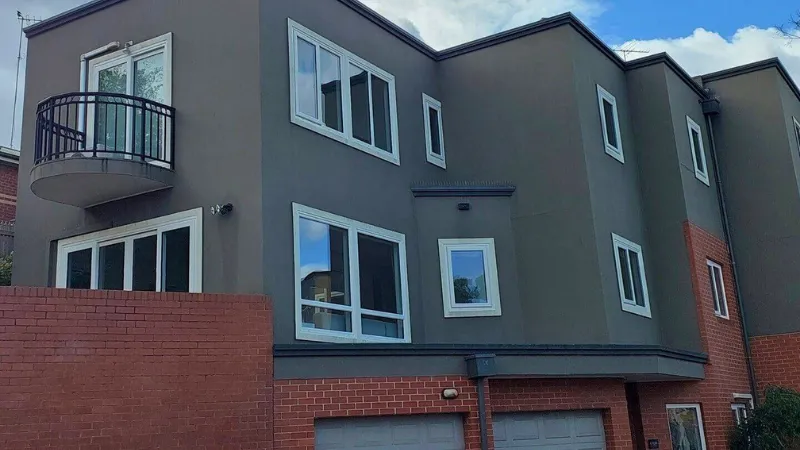
If you live near a main road, under a flight path, or close to a busy neighbourhood, you already know how much outside noise affects daily life. Sleep quality, concentration, stress — noise intrudes on all of it. Double glazing is often marketed as a noise reduction solution, but the reality is more nuanced than the brochures suggest.
Not all double glazing reduces noise equally. Some configurations are genuinely excellent at it, while others may make much less difference to sound than expected. Understanding how soundproof windows are configured — and knowing what to specify when you’re buying — can help you choose glazing suited to reducing unwanted outside noise.
Sound travels as pressure waves through air. When those waves hit a glass pane, they cause the glass to vibrate, which then re-radiates sound on the other side. Single-pane glass, being thin and relatively flexible, does this readily. The thicker and more massive a material, the harder it is for sound waves to set it vibrating — this is the basic physics behind acoustic glazing.
The complication with standard double glazing is that it creates an air gap between two panes. Air gaps can actually amplify certain frequencies through a phenomenon called acoustic resonance. At specific frequencies, the two panes and the gap between them can act together to transmit sound more effectively than a single pane would. This is why basic double glazing sometimes underperforms on noise compared to what people expect.
Thicker glass vibrates less readily under sound pressure. Each additional millimetre of glass mass improves its resistance to sound transmission. Standard double glazing might use 4mm or 5mm panes. For genuine noise reduction, 6mm, 8mm, or even 10mm panes make a measurable difference.
This is one of the most important and least-discussed factors. When both panes are the same thickness, they have the same resonant frequency — meaning sound at that frequency passes through both panes with minimal resistance. Using two panes of different thicknesses — say, 6mm and 4mm, or 10mm and 6mm — means the resonant frequencies are different for each pane. Sound has to work against two different resistances, which significantly improves overall acoustic performance.
If acoustic performance matters to you, ask specifically whether asymmetric glass thicknesses are being used. Many standard double glazed windows use equal pane thicknesses, which may be suitable for thermal performance but less effective when acoustic performance is the priority.
Laminated glass has a layer of plastic interlayer — typically PVB (polyvinyl butyral) — sandwiched between two glass layers. This interlayer acts as a vibration dampener, absorbing sound energy and preventing it from passing cleanly through. Acoustic-grade laminated glass is one of the best options available for noise reduction.
For serious noise problems, specifying at least one laminated pane in your double glazed unit is strongly recommended. Some manufacturers use acoustic-grade PVB, which is designed specifically for sound damping and performs better than standard safety PVB.
The gap between the panes matters. Standard double glazing units often use gaps of 12mm to 16mm. For thermal performance, this range is effective. For acoustic performance, wider gaps — 16mm to 20mm or more — generally improve sound attenuation because they allow more air-borne damping.
Some acoustic double glazing units use an argon or krypton gas fill in the gap, which is primarily for thermal performance but also has a marginal effect on sound. The bigger acoustic gains come from glass specification and gap width.
Secondary glazing — adding an independent pane or window system to the inside of an existing window — can actually outperform standard double glazing for noise reduction. The reason is the gap: secondary glazing typically creates a much wider air gap (100mm or more) than an insulated glass unit, and this large separation is very effective at breaking the sound path.
This is worth knowing if you’re in a listed building or rental property where you can’t replace the primary window.
Sound reduction is measured in decibels (dB). A reduction of 10dB roughly halves the perceived loudness. Good acoustic double glazing with laminated panes and asymmetric thicknesses can achieve sound reduction in the range of 35-45 dB (measured as Rw, the weighted sound reduction index). Understanding acoustic ratings for double glazing can help when comparing how different glazing configurations perform.
Standard double glazing typically achieves around 28-33 dB. Single glazing around 25-28 dB. So the improvement exists, but it’s not dramatic unless you’re specifying properly for acoustic performance.
For context: road traffic at 60km/h generates roughly 65-70 dB at close range. Reducing that by 40 dB brings it to 25-30 dB inside — which is genuinely quiet, similar to a library or very quiet room.
A high-performance acoustic glass unit installed in a poorly sealed or low-quality frame loses much of its benefit. Sound finds weak points — gaps in seals, acoustic bridges through frame materials, poorly fitted sashes. uPVC frames generally provide better acoustic sealing than aluminium because the material itself dampens vibration rather than transmitting it.
Ask about the frame’s acoustic seal quality, not just the glass specification. Multiple seal lines, compression seals, and quality hardware all contribute to the overall sound attenuation of the installed window or door.
It can significantly, but only if specified correctly. Standard double glazing with equal pane thicknesses has limited acoustic performance. Laminated glass and asymmetric pane thicknesses make a genuine difference for traffic noise.
Acoustic glass typically refers to laminated glass with a sound-dampening interlayer. It’s designed specifically to reduce sound transmission and is one of the most effective glass options for noise reduction.
No window or door system eliminates noise entirely. The goal is significant attenuation — reducing sound to a level that is no longer intrusive. Even very good acoustic glazing will still allow some noise to pass through.
For maximum acoustic performance: asymmetric pane thicknesses (e.g., 10mm and 6mm), laminated glass on at least one pane using acoustic-grade PVB, a wide air gap (16-20mm minimum), and a well-sealed frame with good compression seals.
Yes, a significant one. Standard double glazing is primarily designed for thermal performance. Acoustic glazing is specifically designed to reduce sound transmission through glass specification and layering. They require different glass specifications and serve different primary purposes.