
November ONLY: 35% OFF
APS IS OFFERING 35% OFF ALL ITEMS GET YOUR QUOTE NOW
APS IS OFFERING 35% OFF ALL ITEMS GET YOUR QUOTE NOW

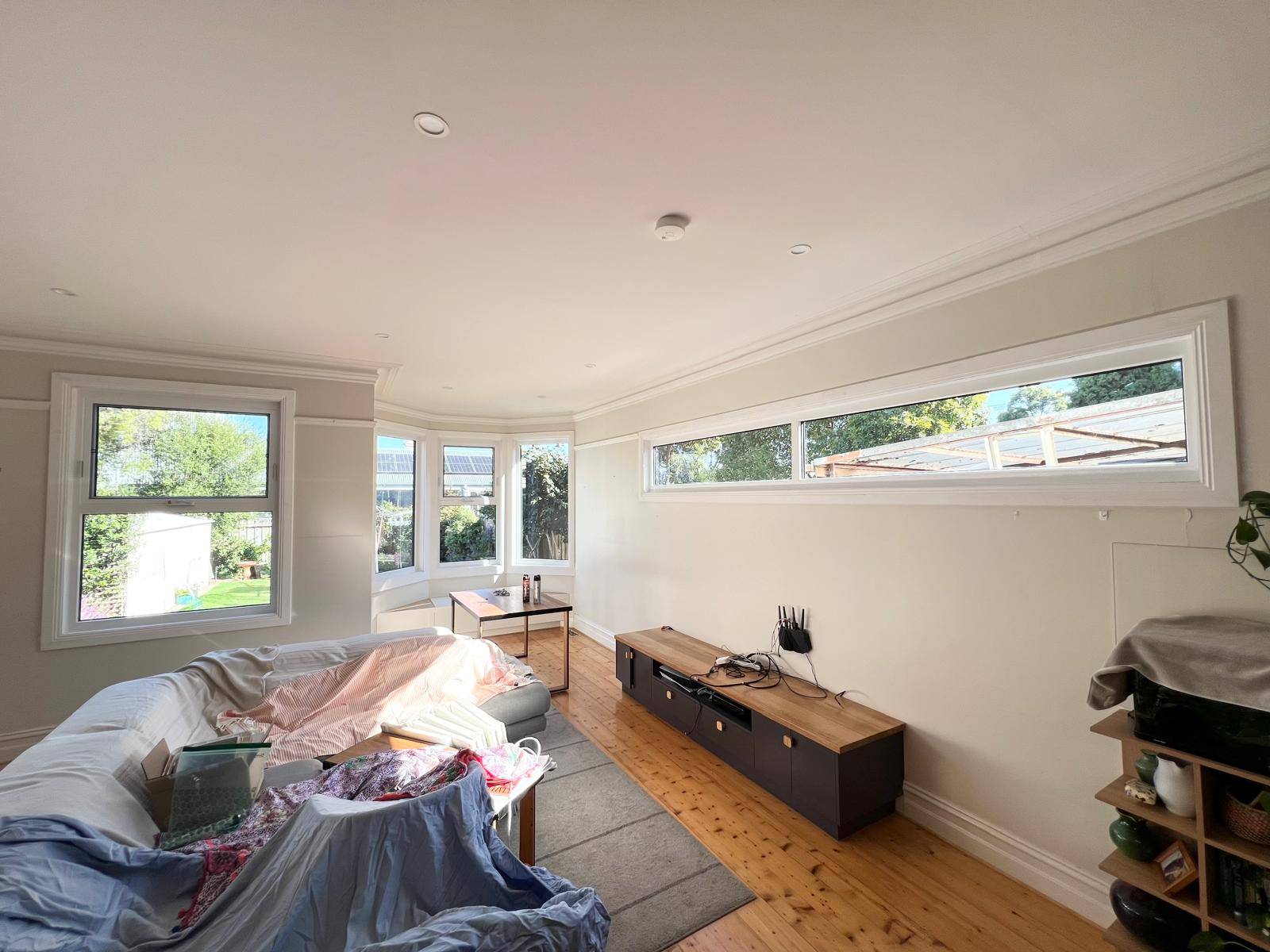
Noise is one of those problems that wears you down gradually. The traffic that keeps you from falling asleep. The neighbour’s music follows you from room to room. The sound of your own guitar practice is leaking through the walls and making everyone uncomfortable. Whatever the source, the desire to do something about it is completely reasonable — and the frustration of trying solutions that don’t really work is equally common.
Before going further, there’s a distinction worth making clearly, because most of the confusion around this topic comes from blurring two different things.
Soundproofing means preventing sound from passing through a boundary — blocking noise from entering or leaving a room. Done properly, it requires mass, airtightness, and in many cases structural changes. It’s harder and more expensive than most people expect.
Acoustic treatment or sound absorption means improving how sound behaves within a room — reducing echo, reverb, and harshness. It’s relatively easy and affordable, but it doesn’t stop noise from travelling between spaces.
Foam panels on walls, egg carton profiles, and soft furnishings are acoustic treatments. They make a room sound better inside. They do very little to stop traffic noise from getting in or prevent your music from disturbing your household. Understanding this saves a lot of wasted effort and money.
A fully soundproofed room — the kind used in recording studios or broadcast booths — involves room-within-a-room construction, highly specialised materials, and high cost. For most households, the realistic goal is meaningful noise reduction rather than acoustic isolation, and glazing upgrades like double-glazed casement windows are often central to achieving it. This guide explains how to get there.
If you’re considering a window upgrade for noise reduction, the window type matters as much as the glazing specification. Our guides to double-glazed casement windows and double-glazed awning windows cover how each type performs in terms of sealing and acoustic performance — useful reading if you’re deciding which style suits your situation.
Before you can address noise effectively, it helps to understand how it actually travels.
Air gaps are the primary culprit in most homes. Sound travels through air, and any gap between a door and its frame, around a window seal, through a ventilation gap, or around a pipe penetration creates a direct acoustic pathway. Even a small gap transmits a surprising amount of noise — the relationship between gap size and sound transmission is not linear. Sealing air gaps is almost always the highest-return first step.
Windows are typically the weakest thermal and acoustic barrier in any room. Standard single-glazed windows provide minimal sound insulation. Even standard double glazing, while better, isn’t specifically optimised for noise unless the unit is designed with acoustic performance in mind. In Australian homes near busy roads, airports, train lines, or in urban apartment buildings, windows are usually where most of the noise enters.
Doors are underestimated as a noise pathway. Hollow-core internal doors (common in Australian residential construction) transmit sound almost as freely as an open gap. Even a solid external door loses most of its acoustic performance if the perimeter seals are worn or the threshold isn’t closing properly.
Walls, floors, and ceilings are less obvious pathways. Still, flanking noise — sound that travels through the building structure itself rather than directly through the air — accounts for a significant proportion of noise in attached homes, apartments, and townhouses. You can seal every gap and upgrade every window and still have significant noise from neighbours if the shared walls, floors, or ceiling aren’t addressed. This is one of the least discussed but most important factors in strata and apartment living.
It’s also worth understanding that not all double glazing delivers the same level of noise reduction — the specific glass configuration makes a measurable difference. This breakdown of how double glazing reduces noise and what actually makes the difference explains why factors like pane thickness, cavity size, and laminated glass matter when targeting quieter interiors.
The sequence matters. Working through these in order — rather than jumping straight to expensive solutions — tends to give the best result for the least spend.
Check doors for gaps at the threshold, sides, and top. Check window frames for gaps between the frame and the sash, and between the frame and the wall. Check penetrations where pipes, cables, or conduit pass through walls. Use acoustic sealant around any gaps at junctions, and install appropriate door seals — a good perimeter seal combined with a drop-down or automatic threshold seal on a door makes a significant difference for a modest cost.
The acoustic improvement from thorough gap-sealing in a poorly sealed room can be dramatic and immediate. Many people are surprised by how much of the perceived noise problem disappears with this step alone.
For external noise — traffic, street-level neighbours, machinery — soundproof windows can be an important upgrade to consider after gaps are sealed.
Standard single glazing offers very little noise reduction. Standard double glazing (two panes of equal thickness with a cavity between them) is better, primarily because of the air cavity, but it’s not specifically designed for acoustic performance. When acoustic performance is the goal, the glazing unit needs to be specified accordingly.
Acoustic double glazing typically uses a wider cavity (12mm to 20mm performs better than a narrow 6mm cavity), asymmetric pane thicknesses (two panes of different thickness disrupt the resonance frequency that allows sound to pass through readily), and laminated glass, where a plastic interlayer bonds the glass layers together, damping vibration. Laminated glass, in particular, significantly outperforms standard toughened glass for acoustic purposes because the interlayer absorbs sound energy rather than transmitting it.
Secondary glazing — a second glazing layer added inside an existing window without removing it — is another option worth considering, particularly in rental properties or heritage buildings where window replacement isn’t practical. When installed with an adequate air gap (typically 100mm or more), secondary glazing can provide meaningful acoustic improvement at a lower cost than full replacement.
A hollow-core internal door between a noisy corridor and a bedroom or home office contributes far less noise reduction than the surrounding walls. Replacing it with a solid-core door is one of the better value acoustic upgrades for internal spaces. When combined with good perimeter seals and a threshold seal, a solid-core door can significantly reduce sound transmission between rooms.
For external doors, the door itself is typically dense enough that it’s not the primary noise pathway — the seals and threshold are usually more important.
Adding mass to a wall increases its resistance to sound vibration. An additional layer of plasterboard — particularly acoustic-rated plasterboard — increases the partition’s mass and reduces transmission. Adding mass to a shared wall with a noisy neighbour is one of the more practical interventions for attached dwellings.
The most effective approach also involves decoupling — separating the new layer from the existing structure so that vibration from one side isn’t directly transferred to the other. Acoustic isolation clips, resilient channels, or a staggered stud arrangement can achieve this. Without some form of decoupling, adding mass is less effective than it would otherwise be because the layers vibrate together.
Insulation within wall cavities — particularly acoustic-rated products like rockwool or glasswool — absorbs airborne sound within the cavity rather than allowing it to resonate. This is most beneficial in newly constructed or renovated walls where the cavity can be filled, and it contributes meaningfully to overall acoustic performance.
In apartments, townhouses, and homes with occupied spaces above, floors and ceilings are the primary impact noise pathways — footsteps, furniture movement, and mechanical noise through the structure. Thick underlay beneath hard flooring reduces impact noise transmission. Floating floors with appropriate acoustic underlay are significantly better than hard floors laid directly on the slab.
Ceilings are harder to address without substantial construction, but a suspended acoustic ceiling with appropriate insulation above can meaningfully reduce noise from upper floors. This is more relevant to serious noise problems in apartments than to typical residential noise management.
This is where rugs, heavy curtains, upholstered furniture, and wall panels come in — and it’s important to be clear about what they actually do. They absorb sound in the room, reducing echo and reverb and making it feel quieter from inside. They do not meaningfully block noise from coming through walls or windows.
Heavy curtains close to the window glass do provide a small additional layer of acoustic resistance, but the effect is modest. They’re worth including in a comprehensive approach, but they shouldn’t be the primary strategy for reducing external noise.
The most effective strategy depends on the type of noise problem and where it’s coming from. The following covers the most common situations:
A few misconceptions about soundproofing are widespread enough to cause real wasted effort and money. These are the most important ones to understand before taking action.:
They absorb high-frequency sound and reduce echo within the room. They contribute nothing to stopping noise from passing through the walls. This is probably the most widespread misconception in DIY acoustic treatment.
Sealing gaps is inexpensive and effective. Window upgrades can make a substantial difference at a moderate cost. Structural changes — adding mass, decoupling walls, acoustic ceilings — cost significantly more. Setting realistic expectations at the start prevents wasted effort.
For external noise, the window itself is the weak point. Covering it doesn’t change what the glass and frame are allowing through.
Standard double glazing improves acoustic performance over single glazing, but it’s not optimised for noise. Two equal-thickness panes share a resonant frequency, allowing sound at that frequency to pass through more freely. Acoustic-specification glazing with asymmetric pane thicknesses and/or laminated glass is meaningfully better.
If noise is a serious enough problem to affect sleep quality, health, or the practical use of a space, professional acoustic assessment is worth the cost. An acoustic consultant can measure the noise level and character, identify the primary transmission paths, and recommend interventions proportionate to the actual problem.
For apartments with structural noise issues, strata rules may affect what interventions are permitted in shared wall or ceiling assemblies. Understanding what’s actually allowed before starting work saves the effort of measures that may need to be reversed.
The honest summary of soundproofing is this: sealing air gaps gives the highest return for the least cost and should always be done first. Window and door upgrades address the next most significant acoustic pathways and are worthwhile investments when external noise is the primary concern. Adding mass and decoupling walls addresses shared-structure noise in attached dwellings. Acoustic treatment — panels, furnishings, rugs — improves how a room sounds internally but doesn’t block noise between spaces.
Most noise problems in Australian homes can be substantially improved with a combination of gap sealing and targeted glazing or door upgrades without structural construction. For serious noise isolation, expect structural work — and set expectations accordingly.
Complete acoustic isolation requires room-within-a-room construction and specialist materials at high cost. For most residential situations, the realistic and achievable goal is substantial noise reduction rather than complete soundproofing.
Sealing air gaps around doors and windows with weatherstripping, door seals, and acoustic sealant is the highest-return low-cost intervention. It’s frequently where most of the improvement comes from in a typical domestic room.
Heavy curtains close to the glass reduce some sound energy but provide modest acoustic improvement for external noise. They’re useful as part of a layered approach, but shouldn’t be relied upon as the primary noise reduction strategy if the source is traffic or similar.
Standard double glazing improves acoustic performance over single glazing, yes. Acoustic-specification double glazing with asymmetric pane thicknesses and/or laminated glass performs significantly better and is worth specifying when noise reduction is a primary goal.
Acoustic panels absorb sound within a room, reducing echo and reverb. They do not block sound from passing through walls or windows. Soundproofing involves preventing sound transmission between spaces and requires mass, airtightness, and often structural decoupling.
If the noise is travelling through shared walls, floors, or ceilings as structure-borne sound, adding mass to shared walls, acoustic underlay on hard floors, and sealing penetrations are the relevant approaches. Window upgrades address external noise, not neighbour noise through shared structural elements.
Acoustic insulation within wall cavities — products like rockwool or glasswool — absorbs sound within the cavity and helps reduce airborne sound transmission. It’s most effective when combined with additional mass layers and decoupling, rather than as a standalone measure.
Why can I still hear noise after adding acoustic panels? Acoustic panels absorb sound within the room rather than blocking noise from entering. If the noise source is external or in an adjacent room, the panels are addressing the wrong problem. Blocking noise requires air sealing and mass; panels treat acoustics within the space.