
November ONLY: 35% OFF
APS IS OFFERING 35% OFF ALL ITEMS GET YOUR QUOTE NOW
APS IS OFFERING 35% OFF ALL ITEMS GET YOUR QUOTE NOW

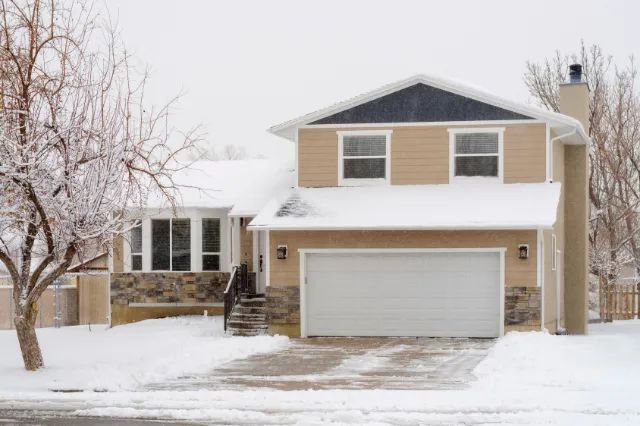
The test of whether a home is genuinely winter-ready isn’t whether you have a heater. It’s about whether you need to run it continuously to maintain a comfortable temperature — and how much it costs you to do so.
Most Australian homes lose heat faster than they need to. Not because of any single dramatic deficiency, but because of the accumulated effect of under-specified insulation, unsealed gaps, windows that conduct cold directly into living spaces, and heating systems working overtime to compensate for all of it. Getting a home truly winter-ready isn’t about adding more heating capacity. It’s about reducing how much the building leaks the warmth you’re already generating.
This guide explains where heat actually goes, what stops it most effectively, and how to prioritise your time and money for the best result.
If glazing is on your winter-readiness list and you’re based in Victoria, our guide to window replacement in Melbourne covers what the process involves and what to expect from an upgrade. If you’re still working out which window type makes the most sense as a replacement, our overview of double glazed casement windows is a useful starting point for one of the most commonly chosen options in Australian homes.
Heat moves from warmer areas to cooler areas through three mechanisms — conduction, convection, and radiation — and your building envelope is involved in all three simultaneously.
Conduction is the transfer of heat through materials. Metal conducts heat extremely well, which is why standing next to a standard aluminium window on a cold night feels uncomfortable even with the heating running — the window surface is cold because it’s conducting outdoor temperatures directly to the indoor surface. Insulation materials work by being poor conductors; they slow the rate at which heat moves through walls, ceilings, and floors.
Convection is heat transfer through air movement. Warm air rises, and in a house with gaps in the ceiling, around the cornice, or around light fittings, it finds its way into the ceiling space and escapes. Cold air enters from below through gaps in flooring, around skirting boards, and through the many small penetrations that accumulate in any lived-in building. This air infiltration — sometimes called draughts, sometimes air leakage — is often the largest single source of heating energy loss in older Australian homes.
Radiation is heat emitted from warm surfaces toward cooler ones. The cold glass surface of a single glazed window radiates cold toward occupants in the room, not because cold is “coming in,” but because the warm people and furnishings radiate heat toward the cold surface and lose it that way. This is why double glazing improves perceived comfort in a room even at the same air temperature: the inner glass surface of a double glazed window is much warmer, reducing radiant exchange.
Understanding these mechanisms tells you where to look for improvement: conduction through the building fabric (insulation), convection through gaps (airtightness), and radiation through glass (glazing specification).
Large glazed openings can also be a major source of heat loss if they’re not properly specified, particularly in open-plan living areas that connect to outdoor spaces. Upgrading to high-performance systems like stacker doors helps maintain insulation while still allowing wide openings and natural light. This is especially important in winter, where poorly performing doors can undermine the benefits of insulation and draught sealing elsewhere in the home.
Three interconnected factors determine whether a home stays warm in winter with reasonable heating effort:
Insulation determines how quickly heat conducts out through the building fabric — ceiling, walls, and floor. Adequate insulation dramatically slows this conduction. Inadequate insulation means your heating system is working against a building that’s constantly losing the heat it generates.
Airtightness determines how much of your heated air escapes and is replaced by cold outside air through uncontrolled pathways. A house can have adequate insulation but still be cold if air infiltration is significant — you’re heating air that’s continuously being exchanged with cold outdoor air.
Glazing is the weak point in most building envelopes because glass — particularly single glazed — is a far worse insulator than any wall. Single glazed windows lose heat at roughly ten times the rate per square metre of a well-insulated wall. In a home with a significant glazing area, this matters a great deal.
Getting all three right produces a home that holds warmth for long periods and requires modest heating effort to maintain comfort. Getting one or two right, but not the third, produces a home that still feels cold despite the heating.
The following improvements deliver the largest reduction in heat loss for the effort and cost involved. Address them in this order for the best cumulative result:
Heat rises. The ceiling is the largest surface area through which a heated home loses warmth, and it’s also the most accessible and cost-effective to insulate. If your home has minimal ceiling insulation or batts that have settled, shifted, or degraded over time, improving it is the highest-return winter-preparation investment.
Adequate ceiling insulation for Australian climates ranges from R3.5 in warmer regions to R6.0 or higher in cold climates. Installing or upgrading ceiling insulation is a relatively straightforward process when roof space access is available, and the material cost is reasonable relative to the ongoing energy savings it produces.
Before installing, check what’s already there. Many homes built before the 1990s have minimal insulation; homes built since have varying levels depending on the standard at the time. Hiring a qualified insulation installer to assess and upgrade to appropriate R-values for your climate zone is typically a half-day job with an energy impact felt through every winter thereafter.
Walk around your home on a cold day and pay attention to where you feel cold air movement. Around door frames, window frames, skirting boards, in the gap where the cornices meet internal walls, around downlights in the ceiling, around plumbing and electrical penetrations — these are the most common infiltration pathways. Sealing gaps can reduce heat loss by 15 to 25 per cent.
Sealing is the cheapest high-impact improvement available. Self-adhesive foam draught strips around door frames cost a few dollars per door and take minutes to install. Expanding foam or an appropriate sealant around pipe penetrations through floors and ceilings seals pathways that have often been open since construction. Ceiling-mounted draught stoppers in recessed downlights (which often have direct access to the roof space) address one of the most significant infiltration routes in modern homes with recessed lighting.
The gap under internal doors doesn’t need to be sealed — it allows air to circulate between rooms. The gap under external doors does, and if you can feel cold air coming in under an external door, a simple door seal fitted to the bottom of the door is an effective and inexpensive remedy.
Windows deserve extended attention in a winter-readiness context because they’re where most homes have the largest remaining opportunity for improvement. A home with improved ceiling insulation and sealed air infiltration, but still operating on single glazed aluminium windows, is still losing heat at a rate that undermines the other improvements. Understanding why two homes with double glazing can perform very differently helps set realistic expectations and choose the right specification.
Single glazing is the most thermally deficient element in most Australian homes built before the mid-2000s. Upgrading to quality double glazing — with thermally broken frames and a low-emissivity glass coating — is the most impactful glazing improvement, delivering results year-round (reducing summer heat gain and winter heat loss). This is a higher capital investment than ceiling insulation or draught sealing, but its impact compounds over the building’s life.
For homeowners not ready to replace windows entirely, interim measures can improve the performance of existing windows. Heavy-lined curtains closed at dusk reduce radiant heat loss significantly — they’re not as effective as proper glazing, but make a noticeable difference in rooms where you spend evenings. Secondary glazing — an internal panel fitted within the existing window reveal — is a lower-cost option that creates an air gap without replacing the existing frame.
Check existing double glazed windows for seal failure. Fogging, haziness, or visible moisture between the panes indicates a failed sealed unit. A failed unit provides little more insulation than a single pane at that point. Sealed unit replacement — replacing just the glass, not the frame — is significantly cheaper than full window replacement and restores the window’s insulating performance.
Once the high-impact measures are in place, the following improvements build on that foundation and deliver meaningful additional comfort and efficiency gains:
Whatever heating system your home uses, its efficiency determines how much energy it consumes to produce a given amount of warmth. If your reverse-cycle air conditioner or ducted heating system hasn’t been serviced recently, dirty filters and fouled heat exchanger surfaces can significantly reduce its efficiency. A professional service before winter — cleaning coils and filters, checking refrigerant levels in reverse-cycle systems, checking ductwork for leaks in ducted systems — is worthwhile if the system is more than a year or two past its last service.
Thermostat settings have a direct, measurable impact on running costs. Every degree of heating above the 18 to 20°C range that most people find comfortable adds roughly 5 to 10 per cent to heating energy use. Setting heating to 18°C rather than 22°C produces a meaningful bill reduction with, for most people, minimal perceived discomfort — particularly in a home that’s been improved for insulation and airtightness.
Ceiling fans running in reverse (clockwise at low speed) push warm air that has accumulated at ceiling level down the walls and back into the living space. In rooms with high ceilings, this destratification can make the room feel warmer at lower thermostat settings.
Heavy, lined curtains provide a meaningful secondary layer of insulation over windows. The key is closing them after sunset, when the radiative heat loss through glass begins to dominate. Leaving curtains open during the day on north-facing windows to admit solar gain, then closing them as daylight fades, is an active management habit that reduces heat loss during the coldest hours without sacrificing the daytime solar gain benefit.
Pelmets — the box or board fitted above curtain tracks to prevent curtain tops from acting as a convection path — dramatically improve the effectiveness of curtains as thermal insulation. Without a pelmet, warm room air circulates behind the curtain, contacts the cold glass, cools, descends, and flows back into the room — a continuous convection current that moves heat toward the cold glass regardless of how heavy the curtain is.
In homes with suspended timber floors — common in older Australian housing, particularly in Victoria and South Australia — cold air beneath the floor can significantly circulate into the living space. Rugs and carpet add an insulating layer to the floor surface. Under-floor insulation, if accessible, addresses the root cause and yields a sustained improvement rather than merely managing the symptom.
Different rooms have different heating requirements and heat loss profiles. The following covers the most common situations and the targeted actions that make the most difference in each:
The main living area is where you spend the most time and where heating investment pays back most directly. Prioritise draught sealing around the main external doors to this room, heavy-lined curtains on the southern and western glazing, and servicing of the main heating system. If the living area has a fireplace or open fire that’s not regularly used, a chimney balloon fitted into the flue prevents significant cold air infiltration through the chimney when the fire isn’t lit.
Most people sleep more comfortably in cooler temperatures than they keep living areas — around 16 to 18°C is typically appropriate for sleeping. This means bedroom heating requirements differ from those in living areas. Lightweight ceiling insulation improvements benefit bedrooms as well as the rest of the house. Draught sealing around bedroom windows and external walls matters if you’re sensitive to air movement at night.
Bathrooms are often the coldest room in the house in winter because they have less furniture, tile floors and walls that feel cold to the touch, and often inadequate heating. A heated towel rail provides gentle background warmth and reduces moisture levels. An exhaust fan that’s properly sealed when not in use prevents air infiltration through the ventilation duct.
Even homeowners who invest in winter preparation can undermine their results through a handful of recurring errors. These are the most common ones worth avoiding:
Draught sealing is the cheapest improvement with the fastest payback. A full draught-sealing job across all external doors, windows, and accessible penetrations in an average home costs very little in materials and can be done as a do-it-yourself (DIY) project over a weekend.
Ceiling insulation upgrade, where needed, is a modest professional installation cost with energy savings that recur every winter indefinitely. Payback periods of three to five years are common in climates with meaningful winter cold.
Window upgrades are the largest capital investment, but also produce the largest persistent impact in homes with significant single glazing. For homes spending $2,000 to $3,000 annually on heating, upgrading from single to double glazing might reduce that by 25 to 40 per cent — a saving that recurs every year for the life of the building.
Heating system servicing has a quick payback through improved efficiency and is also important for system longevity. A poorly maintained system fails sooner and works harder than it needs to.
Check the following before winter arrives:
• Seal external door frames with fresh draught strips if existing seals are compressed or missing. Check for gaps under external doors and fit door sweeps where needed.
• Check that ceiling insulation is present and adequate for your climate zone — your roof space is accessible enough to confirm this visually.
• Check double glazed windows for fogged or hazed units indicating seal failure. Arrange sealed unit replacement if found.
• Service the primary heating system if it hasn’t been done in the past 12 months.
• Identify any accessible floor penetrations — around pipes, cables, skirting board gaps in suspended floor areas — and seal them.
• Ensure heavy-lined curtains with pelmets are in place on south and west-facing windows, and establish the habit of closing them at dusk.
• Set the thermostat to 18–20°C rather than higher temperatures.
A genuinely winter-ready home is one where the building itself retains warmth effectively — not one that simply has a powerful heater fighting against constant heat loss. The improvements that matter most are ceiling insulation, air infiltration sealing, and glazing performance. Address those in order of cost and disruption: draught sealing first (cheap, immediate), insulation upgrade next (moderate cost, lasting benefit), then glazing improvement when the budget allows (higher investment, permanent impact).
The goal is a home where you turn the heating on in the morning, reach a comfortable temperature, and maintain it without the system running continuously. That outcome comes from the building, not the equipment.
The highest-impact steps are: seal air infiltration around external door and window frames, check and upgrade ceiling insulation to the appropriate R-values for your climate zone, check double glazed windows for failed seals, and service your heating system before peak demand. Use heavy curtains on south and west-facing windows and close them at dusk.
Usually, it’s because the building is losing heat as fast as or faster than the heating system generates it. The most common causes are inadequate ceiling insulation, air infiltration through gaps and unsealed penetrations, and single glazed or failed double glazed windows that allow cold air to enter the room. Check each of these in turn.
Draught sealing is the highest-return, lowest-cost improvement. Self-adhesive foam strips around door and window frames, expanding foam around penetrations, and door sweeps on external doors collectively reduce air infiltration at minimal material cost. Setting the thermostat to 18–20°C rather than higher temperatures also significantly reduces running costs.
Prioritise building improvements over heating equipment upgrades. Adding insulation, sealing draughts, and improving glazing reduces heating demand. Once the building is performing better, a smaller, more efficient system can maintain comfort at a lower cost. Also: close curtains at dusk, use ceiling fans in reverse at low speed to destratify warm air, and set the thermostat at the minimum comfortable temperature.
Ceilings and roofs have the largest surface area and are the primary heat-loss pathway for most homes. Air infiltration through gaps, cracks, and unsealed penetrations is often underestimated and frequently the largest single cause of heating energy waste. Windows conduct heat at roughly ten times the rate of a well-insulated wall per square metre and are particularly significant in homes with large glazing areas.
Yes, significantly. Double glazing reduces heat conduction through the glass by creating an insulating gas gap between two panes. The inner glass surface stays warmer, reducing radiant cold and improving perceived comfort. Thermally broken frames prevent the frame itself from conducting cold. In combination with a low-emissivity glass coating, a well-specified double glazed window performs far better than single glazing in both winter and summer.
Very. Ceiling insulation is typically the single most impactful insulation upgrade because heat rises and the ceiling has the largest surface area of the building envelope. A home with adequate insulation retains heat significantly longer between heating cycles, reducing how often and for how long the heating system needs to run.
Check all external door frames with your hand on a cold, windy day — any air movement indicates a gap. Replace compressed or missing weatherseals with fresh adhesive foam or rubber seal tape. Check the junction between skirting boards and floor in rooms with suspended timber floors, around plumbing and electrical penetrations through walls and floors, and around ceiling downlights (which often have direct access to the roof space).
The World Health Organisation recommends a minimum of 18°C for healthy adults; 20°C is a common comfortable daytime temperature for most people. Bedrooms are typically comfortable, slightly cooler — around 16 to 18°C. Setting heating to the minimum temperature that is genuinely comfortable, rather than running it at 22 to 24°C, significantly reduces energy use without meaningful loss of comfort in a well-insulated home.
Rebate schemes vary by state and change over time. Victorian households have access to rebates through the Victorian Energy Upgrades scheme; New South Wales has the Energy Savings Scheme; other states have various programmes. Search for the current scheme in your state, or check energy.gov.au for information on federal rebate programmes. Rebates for ceiling insulation, efficient heating systems, and, in some cases, glazing upgrades are or have been available.