
November ONLY: 35% OFF
APS IS OFFERING 35% OFF ALL ITEMS GET YOUR QUOTE NOW
APS IS OFFERING 35% OFF ALL ITEMS GET YOUR QUOTE NOW

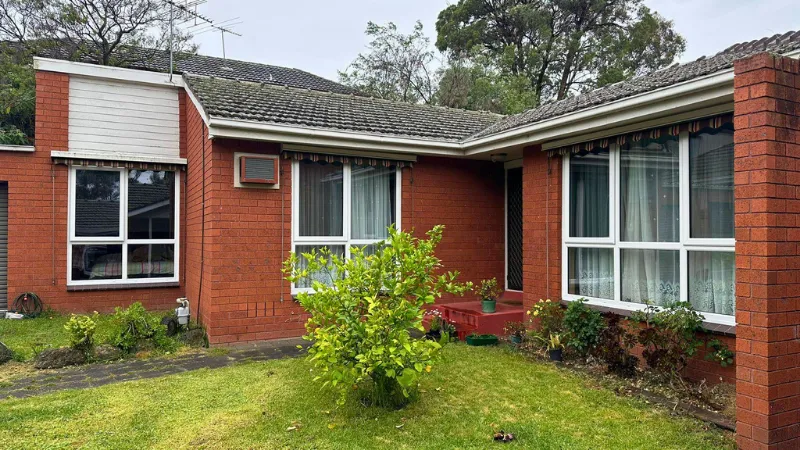
If parts of your home feel harder to heat in winter, warmer than expected in summer, or more exposed to outside noise, your windows are often a contributing factor. For many Melbourne homeowners planning a renovation or window replacement, one comparison comes up early in the decision process: wooden window vs uPVC.
While timber windows are often associated with traditional styling and uPVC windows with modern construction, appearance alone does not determine performance. Melbourne homes are exposed to temperature variation, strong UV levels, moisture, and urban noise. How a window frame behaves under these conditions affects comfort, energy use, and maintenance over time.
This article compares wooden windows and uPVC double glazed windows based on how they typically perform in real Melbourne residential conditions, with a focus on insulation, noise reduction, durability, and long-term practicality.
Before comparing performance, it is important to clarify what is actually meant by wooden windows.
When homeowners refer to wooden windows, they are usually talking about timber window frames. These can vary widely in material and construction. Some are made from softwoods such as pine, while others use hardwood species. Manufacturing methods also differ, ranging from factory-produced frames to bespoke joinery.
In Australian homes, timber windows are commonly painted to protect the wood and suit the exterior of the building. Over time, paint coatings are affected by UV exposure, moisture, and seasonal movement within the timber itself. These factors influence both appearance and performance.
Because timber is a natural, organic material, its behaviour changes with environmental conditions. This variability is important when comparing it with engineered window systems.
Understanding how uPVC window systems are designed helps explain why their performance differs from traditional timber frames.
uPVC, or unplasticised polyvinyl chloride, is a rigid material used to manufacture window and door frames. Modern uPVC systems are designed as complete assemblies rather than individual components.
The frames typically use multi-chambered profiles. These internal chambers help reduce heat transfer through the frame and support the insulated glass unit.
In Australian residential construction, uPVC frames are commonly paired with double glazing. The frame provides dimensional stability and consistent sealing, while the insulated glass unit manages heat flow and sound transmission.
APS Double Glazing works exclusively with uPVC double glazed window and door systems because they are designed for predictable long-term residential performance in Australian conditions.
Melbourne’s climate places specific demands on windows, making thermal performance one of the most important comparison points.
Timber has natural insulating properties, and well-made wooden frames can contribute to thermal comfort when new and well sealed. However, timber expands and contracts as humidity and temperature change. Over time, this movement can place stress on joints, coatings, and seals.
As seals degrade, small gaps may develop around the sash or frame. These gaps can allow warm air to escape in winter and hot air to enter during summer.
uPVC frames are dimensionally stable and do not absorb moisture. This stability helps maintain consistent sealing around the glass, even as external conditions change.
The multi-chambered design of uPVC frames slows heat transfer through the frame itself, which is particularly important around the perimeter of the glazing. When combined with double glazing, this can help Melbourne homes maintain more stable indoor temperatures throughout the year.
Thermal outcomes still depend on glazing choice, window orientation, and installation quality, but frame stability plays a central role.
External noise is a common concern in many Melbourne suburbs, particularly near roads, schools, and higher-density housing.
External noise commonly enters a home through gaps around windows rather than directly through glass. Even small air gaps can significantly reduce acoustic performance.
Timber frames may offer some natural sound dampening, but as the material moves with moisture and age, maintaining long-term airtightness can be challenging without ongoing adjustment and maintenance.
uPVC window systems are designed with compression seals that remain effective over time. These seals help limit air leakage around the window perimeter, which is critical for reducing sound transmission.
When paired with double glazing, uPVC frames can help reduce traffic noise, neighbourhood sounds, and general urban disturbance in many Melbourne homes, contributing to a quieter home. Actual results depend on glass configuration and overall window design.
Maintenance expectations differ significantly between timber and uPVC windows and often influence long-term satisfaction.
Timber windows require regular inspection and repainting to maintain both appearance and protection. Paint breakdown allows moisture to enter the timber, increasing the risk of swelling, cracking, or decay.
Maintenance cycles vary depending on exposure, but repainting is typically required multiple times over the life of the window. Inconsistent maintenance often leads to reduced performance well before the end of the window’s expected lifespan.
uPVC frames do not require painting and are cleaned as part of normal household maintenance. Because uPVC does not absorb moisture, issues such as rot or corrosion are avoided.
For many homeowners, lower ongoing maintenance is a practical advantage, particularly for upper-storey windows or hard-to-reach areas.
Durability relates not only to how long a window lasts, but how consistently it performs over time.
The lifespan of timber windows varies widely depending on timber species, exposure, coatings, and maintenance. Some window frames may perform well for many years, while others may deteriorate earlier in challenging conditions.
Because timber performance depends on many variables, outcomes can differ significantly between homes.
uPVC window systems are engineered for residential use and designed to withstand UV exposure and weather conditions common in Australia. The material does not rot, rust, or swell.
While installation quality remains critical, uPVC frames provide a stable platform for double glazing and hardware, supporting consistent operation and sealing over time.
Moisture exposure is a key factor in window performance, particularly in certain areas of the home, and it can influence condensation risk.
Bathrooms, kitchens, laundries, and shaded areas of the home expose windows to higher moisture levels. Timber absorbs moisture, which can lead to swelling and paint breakdown if not carefully managed.
This movement can affect how a window opens, closes, and seals.
uPVC does not absorb moisture, making it suitable for areas where condensation or humidity is common. Stable frame dimensions help maintain consistent operation and reduce the likelihood of draughts developing over time.
In Melbourne homes with mixed exposure conditions, this stability supports reliable everyday use.
Aesthetic considerations are often part of the decision process, particularly for renovations.
Timber windows are sometimes chosen for heritage-style homes or where planning controls influence material selection. Visual preference and architectural context can play a role in these decisions.
uPVC window systems are available in a range of profiles and finishes designed to suit contemporary and transitional homes. While uPVC is not intended to replicate timber exactly, well-designed systems can integrate cleanly into a wide range of residential styles.
For many homeowners, appearance is weighed alongside comfort, maintenance, and long-term performance rather than considered in isolation.
Looking beyond upfront pricing helps clarify the long-term implications of material choice.
Timber windows often involve higher upfront costs, particularly when bespoke joinery or higher-grade timber is used. Ongoing repainting and maintenance add to lifetime ownership costs.
uPVC double glazed windows may offer more predictable long-term costs due to reduced maintenance requirements and stable material performance. Pricing varies by configuration and glazing, but lifetime considerations are often as important as initial price.
When performance, comfort, and ongoing upkeep are considered together, clear patterns emerge across Melbourne housing.
For homeowners prioritising thermal comfort, noise reduction, durability, and reduced maintenance, uPVC double glazed windows are commonly specified in Melbourne residential projects.
Timber windows may suit specific architectural or planning-driven situations, but their performance and longevity depend heavily on consistent maintenance and environmental exposure.
In many everyday residential applications, uPVC double glazing provides a practical balance of comfort, reliability, and long-term value.
There are situations where window replacement may offer better outcomes than continued repair.
Windows that allow draughts, struggle to manage noise, or require frequent repair can affect everyday comfort. In these cases, replacing older windows rather than continuing to patch existing ones may offer more meaningful improvements.
Modern uPVC double glazed windows are designed to address common issues found in older Melbourne homes, including poor insulation and degraded seals. Outcomes depend on overall building design and correct installation, but system replacement is often considered when comfort issues persist.
Choosing between wooden windows and uPVC is a long-term decision that affects how your home feels, functions, and is maintained.
Understanding how each material behaves in Melbourne’s climate allows you to make decisions based on performance rather than assumptions. For many homeowners, uPVC double glazed windows provide stable insulation, reduced noise, and lower ongoing maintenance when compared with timber alternatives.
If you are reviewing options for your home or weighing up whether replacement is the right next step, speaking with specialists like APS Double Glazing, who work with uPVC systems every day, can help clarify what is practical for your property and location.
Wooden windows are not inherently better than uPVC. While timber can suit certain architectural or heritage settings, uPVC double glazed windows typically perform more consistently in Melbourne homes for insulation, noise reduction, moisture resistance, and long-term maintenance. Performance depends on how the window system behaves over time, not just the material used.
uPVC windows are typically less expensive than wooden windows when considering both upfront cost and ongoing maintenance. Timber windows often involve higher initial costs and require regular repainting and upkeep, which adds to lifetime expenses. uPVC windows generally offer more predictable long-term ownership costs.
Wood windows require ongoing maintenance, including repainting and protection from moisture and UV exposure. Timber can expand, contract, or deteriorate over time if coatings break down, which may affect sealing, operation, and durability. Performance varies widely depending on timber type, exposure, and maintenance consistency.
uPVC and wood have different strength characteristics, but uPVC window systems are engineered for structural stability in residential applications. uPVC does not swell, rot, or degrade with moisture, which helps maintain frame integrity and sealing over time. This stability is particularly important for supporting double glazing in Australian conditions.