
November ONLY: 35% OFF
APS IS OFFERING 35% OFF ALL ITEMS GET YOUR QUOTE NOW
APS IS OFFERING 35% OFF ALL ITEMS GET YOUR QUOTE NOW

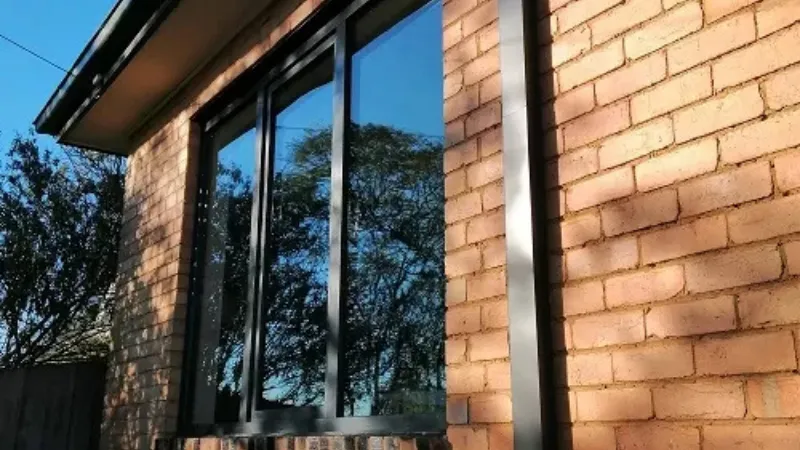
If you’ve ever found yourself struggling to concentrate at home, tossing and turning at night due to traffic sounds, or simply feeling more on edge than usual, you’re not alone. Many Australian homeowners find that external noise—from busy roads, nearby airports, or active neighbourhoods—can affect their sense of comfort and calm. While we can’t always control what’s happening outside, there are steps that might help create a more peaceful indoor environment, and for some homes, that could make a noticeable difference to stress levels, focus, and overall wellbeing.
At APS Double Glazing, we specialise in double glazed windows and double glazed doors designed with Australian conditions in mind. Whilst every home and situation is different, many homeowners find that upgrading to double glazing can help reduce external noise and may contribute to a quieter, more comfortable living space. In this article, we’ll explore how acoustic comfort might influence your daily life and what role double glazed windows could play in supporting a calmer home environment.
Noise pollution isn’t just an inconvenience—for many people, it can have a tangible impact on quality of life. Whilst everyone’s sensitivity to sound differs, research suggests that ongoing exposure to environmental noise may contribute to elevated stress levels, disrupted sleep patterns, and difficulty concentrating.
When your home lacks adequate sound insulation, several areas of daily life might be affected. External noise during the night may interrupt sleep cycles, potentially leaving you feeling less rested even after what should be a full night’s sleep. Constant background noise may activate stress responses in some people, potentially contributing to feelings of irritability or tension over time. For those working from home or studying, noise above certain levels might make it harder to maintain focus, particularly if you’re managing tasks that require sustained attention. Beyond measurable health impacts, a noisy home environment may simply feel less relaxing and enjoyable, potentially affecting your satisfaction with your living space. It’s worth noting that the impact of noise varies considerably based on individual circumstances, the type and level of noise, and how your home is constructed.
One approach that many Australian homeowners consider when addressing noise concerns is exploring soundproof double glazed windows Whilst results can vary depending on the specific products chosen and how they’re installed, double glazing is generally understood to offer improved sound insulation compared to single-pane windows.
Double glazed windows feature two panes of glass with a sealed gap between them, often filled with air or an inert gas like argon. This construction may help disrupt sound waves before they enter your home, potentially reducing the amount of external noise that reaches your living spaces. The acoustic performance can depend on several factors, including the thickness of each glass pane, the width of the gap between panes, the type of gas fill used, the quality of the seals and frames, and how well the windows are installed. For homes in particularly noisy locations, some homeowners explore options like laminated acoustic glass or triple glazing, which might provide additional sound reduction capabilities, though the suitability of these options depends on your specific circumstances and budget.
If you’re considering double glazed windows primarily for acoustic reasons, you might also appreciate some of the other characteristics they may offer. The insulating properties of double glazing could help maintain more stable indoor temperatures, which might contribute to improved comfort year-round. Better temperature retention might translate to lower energy usage for some households, though actual outcomes can vary widely. Just as double glazing may reduce noise that is incoming, it might also help contain sound within your home, potentially offering greater privacy. Modern double glazed windows are designed to maintain good light transmission, allowing you to enjoy natural sunlight whilst potentially benefiting from improved acoustic and thermal performance.
Different areas of your home serve different purposes, and the value of noise reduction may vary by room.
Whilst the relationship between noise and mental health is complex and varies by individual, some research suggests that chronic noise exposure may contribute to increased stress responses in certain people. By potentially reducing environmental noise, you might be creating conditions that support greater calm and emotional balance.
For some homeowners, reducing external noise represents an opportunity to create a more controlled, peaceful environment. This might help lower baseline stress levels, reduce feelings of irritability, support better emotional regulation, and create more space for relaxation. Background noise may require your brain to work harder at filtering out distractions, which could contribute to mental fatigue. In a quieter environment, some people find that concentration comes more naturally, decision-making feels less taxing, and overall mental energy is better preserved.
The value of a quieter home may extend to all household members. Children studying, partners with different work schedules, or family members who are more sensitive to noise might all potentially benefit from improved acoustic comfort, though individual experiences will vary.
Not all window products offer the same acoustic performance, and understanding your options can help you make informed decisions that suit your specific needs and budget.
Beyond standard double glazing, several specifications might offer enhanced acoustic properties. Acoustic laminated glass includes an interlayer that may help dampen sound vibrations, potentially proving effective against certain frequencies like traffic noise. Asymmetric double glazing uses glass panes of different thicknesses, which might help address a broader range of sound frequencies. Gas-filled cavities with argon rather than air may provide improved sound insulation.
The cost of double glazed windows in Australia can vary considerably depending on factors like window size, frame material, glass specifications, and installation complexity. When evaluating whether double glazing might be right for your home, it can be helpful to think about potential benefits across several dimensions: improved comfort and potentially better sleep quality, possible enhancements to work-from-home productivity, reduced stress from environmental noise, potential property value considerations, possible energy efficiency improvements, and greater enjoyment of your living spaces. The actual value you derive will be unique to your circumstances, including your noise sensitivity, how you use your home, and your existing window condition.
Whilst double glazed windows may form the foundation of improved acoustic comfort, several complementary strategies might enhance the overall effect. Heavy curtains with pelmets or honeycomb blinds can add an extra layer of sound absorption and may complement the acoustic properties of double glazing. Even high-quality windows may perform below their potential if not properly installed, so ensuring good seals and correct fitment is important. External and internal doors also influence your home’s acoustic environment, and solid-core doors with proper seals might contribute to overall noise reduction. Soft furnishings like rugs, upholstered furniture, and wall hangings can help absorb sound within rooms, potentially reducing echo and contributing to a calmer atmosphere.
At APS Double Glazing, we focus exclusively on double glazed windows and double glazed doors designed to suit Australian conditions. We understand that every home faces unique challenges when it comes to noise, climate, and comfort, which is why we work with homeowners to identify solutions that might address their specific circumstances.
Our experience with Australian properties means we’re familiar with the range of noise challenges that homeowners face—from urban traffic to airport flight paths to busy neighbourhood activity. Whilst we can’t guarantee specific acoustic outcomes (as these depend on numerous factors including your existing home construction, the type of noise you’re addressing, and installation conditions), we can help you understand what might be achievable for your situation. We work with quality materials and focus on proper installation practices, recognising that both the products themselves and how they’re fitted play important roles in potential performance.
Creating a quieter, more peaceful home environment may support various aspects of wellbeing, from better sleep and reduced stress to improved focus and greater overall comfort. For many Australian homeowners dealing with external noise, double glazed windows represent one potential avenue for addressing these concerns.
Whilst acoustic performance can vary depending on numerous factors—including the specific products chosen, installation quality, your home’s construction, and the nature of the noise you’re addressing—many people find that upgrading to double glazing makes a noticeable difference to their daily comfort. The potential benefits may extend beyond noise reduction to include improved temperature stability, possible energy efficiency gains, and enhanced privacy.
If you’re considering whether double glazed windows might help create a calmer environment in your home, it’s worth exploring your options with professionals who can assess your specific situation. Every home is different, and what works well in one property may not be the ideal solution for another.
If you’re exploring options for double glazing or simply want to learn what may suit your home, you’re welcome to contact the team at APS Double Glazing for guidance tailored to your situation.
Disclaimer: This article provides general information only. Window and door performance may vary depending on product choice, installation quality, home design, climate and maintenance. Any comfort, noise or efficiency outcomes can differ between properties, so it’s best to seek advice specific to your home and circumstances.
Whilst double glazed windows can significantly reduce external noise, they typically won’t eliminate it entirely. The degree of reduction depends on factors like noise type, window specifications, and installation quality. Most homeowners find double glazing makes external noise noticeably quieter and less intrusive.
Double glazed windows generally offer improved sound insulation due to their two-pane construction with a sealed gap that may help disrupt sound waves. The actual difference depends on your existing windows’ condition, chosen specifications, and proper installation.
Bedrooms often benefit significantly, as external sounds may affect sleep quality. Home offices might see improvements in concentration, whilst living areas could feel more comfortable for relaxation. Priority rooms depend on your specific noise challenges and household needs.
Key factors include glass pane thickness, gap width, gas fill type (air or argon), seal and frame quality, and installation professionalism. The noise type you’re addressing matters, as some specifications work better for certain frequencies. Your home’s overall construction also plays a role.
This depends on how significantly noise affects your quality of life, your budget, and long-term plans. Many homeowners find the combination of benefits—noise reduction, thermal comfort, possible energy efficiency, and property value—helps justify the investment, particularly if external noise is impacting wellbeing.