
November ONLY: 35% OFF
APS IS OFFERING 35% OFF ALL ITEMS GET YOUR QUOTE NOW
APS IS OFFERING 35% OFF ALL ITEMS GET YOUR QUOTE NOW

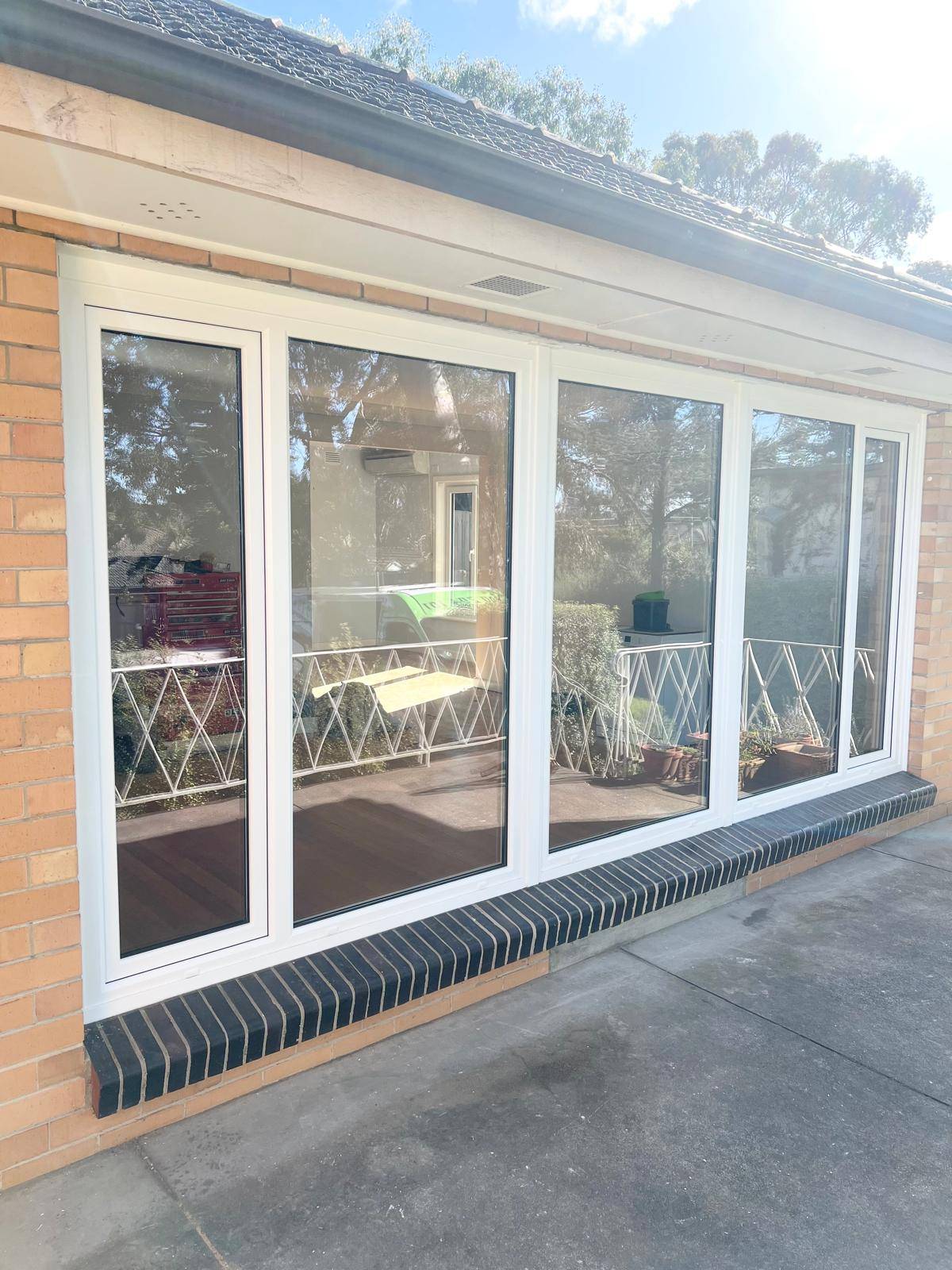
When a company says its team has 50 years of combined experience, the number is only meaningful if it translates into better outcomes for customers.
APS Double Glazing‘s management team has 50 years of combined industry experience in double glazing manufacture and installation. This experience reflects practical knowledge developed through working with different glazing systems, building types and installation challenges over many years. It helps shape our approach to product selection, manufacturing, installation and customer support.
In this article, we explore why experience matters, how double glazing has evolved, how experience influences product selection and installation quality, how APS applies that experience in its manufacturing and installation processes, and what homeowners should look for when choosing a double glazing company.
Over time, professionals gain a deeper understanding of how different products perform, which installation methods produce reliable long-term results, and where problems are most likely to occur. Those lessons cannot be learned from product brochures or technical specifications alone. They are developed through practical application across a wide range of projects.
For homeowners, this means experience influences much more than technical knowledge. It helps guide product recommendations, manufacturing decisions and installation practices that support long-term performance.
Double glazing has changed significantly over the years. Products, manufacturing methods and Australian building requirements have continued to evolve, making ongoing technical knowledge just as important as practical experience.
Earlier double glazing systems typically used simpler insulated glass units (IGUs) and delivered more modest thermal and acoustic improvements than today’s products.
Modern insulated glass units commonly incorporate:
Together, these technologies can significantly improve thermal efficiency while also helping reduce condensation and outside noise.
Frame systems have also advanced considerably.
Although aluminium remains widely used, unplasticised polyvinyl chloride (uPVC) has become an increasingly popular option because of its excellent thermal performance, durability and low maintenance requirements. Industry understanding of thermal bridging has also improved, influencing both frame design and installation methods.
Australian building regulations have progressively increased minimum energy efficiency requirements. This has made window performance increasingly important for meeting National Construction Code (NCC) energy efficiency requirements, including supporting 7-star Nationwide House Energy Rating Scheme (NatHERS) outcomes for many new homes.
Keeping up with these changes helps experienced teams recommend products that meet current expectations rather than relying on outdated practices.
Double glazed doors and windows can be configured in many different ways. Selecting the right combination depends on much more than choosing a particular type of glass.
Experienced teams consider factors such as:
Looking at these factors together helps ensure the finished window or door system is appropriate for the property’s specific requirements rather than relying on a one-size-fits-all solution.
Product quality is only part of the equation. Even the highest-performing double glazed window depends on correct installation to achieve its intended performance.
Practical experience helps installers understand how different construction methods, wall systems and existing building conditions influence the installation process and the finished result.
Experience helps identify issues that can reduce long-term performance, including:
Recognising these risks before installation helps improve performance, durability and occupant comfort.
Australian homes vary considerably in age, design and construction methods.
Experience across different housing styles helps installers adapt their approach while maintaining product performance and compliance with applicable Australian Standards.
Industry experience has the greatest value when it is reflected in the way a company operates. Rather than relying on experience as a marketing claim, APS incorporates that knowledge into its manufacturing, installation and quality assurance processes.
The quality of a double glazed window or door depends on both the product itself and the way it is installed. A well-manufactured window can underperform if it is installed incorrectly. Likewise, a high-quality installation cannot compensate for a poorly manufactured product. Both stages need to work together to achieve the intended thermal, acoustic and weather performance.
APS manufactures its uPVC double glazed windows and doors at its own Melbourne factory, providing direct oversight of production quality before products leave for installation.
The company also uses its own installation teams rather than subcontractors, helping maintain consistent installation standards and accountability throughout each project.
We are registered building practitioners, and we are manufacturing and installation members of the Australian Glass and Window Association (AGWA). We use uPVC profile systems tested and certified for use in Australia by the PVC Alliance of Australia, together with locally manufactured insulated glass units featuring high-performance Low-E glass and warm-edge spacer technology.
By manufacturing products locally and using its own installation teams, APS remains responsible for both the product and its installation from beginning to end. This integrated approach helps maintain consistent quality, accountability and long-term performance throughout every stage of the project.
That same integrated approach also gives APS the confidence to provide a comprehensive 10-year guarantee covering all parts and installation. Rather than separating responsibility between different suppliers or installers, APS remains accountable throughout the project and during the warranty period, giving homeowners confidence that support is available from the same company if it is ever required.
Collectively, these practices demonstrate how our management team’s combined industry experience has been translated into consistent manufacturing standards, installation processes, customer support and long-term accountability.
When comparing double glazing companies, look for practical indicators that demonstrate how experience is applied in day-to-day operations.
Manufacturing products locally allows greater oversight of quality throughout the production process and can simplify after-sales support if assistance is ever required.
Companies that use their own installation teams can maintain greater consistency throughout the installation process because the same business remains responsible for both product quality and workmanship.
Look for products that comply with AS 2047 (for windows and external glazed doors) and AS 1288 (for glass in buildings). Window Energy Rating Scheme (WERS) ratings also provide an independent way to compare the energy performance of different window systems.
Membership of recognised organisations such as the Australian Glass and Window Association (AGWA) demonstrates ongoing involvement within the Australian glazing industry and a commitment to recognised industry practices.
Understand what is covered by both the product warranty and the installation warranty. It is also worth confirming who will provide support if assistance is needed after the project has been completed.
Ultimately, the value of 50 years of combined industry experience is not measured by the number itself, but by how that knowledge is applied throughout every stage of a project.
For APS, that experience contributes to:
Taken together, these factors help support the long-term performance of double glazed windows and doors while providing homeowners with greater confidence throughout the process.
When choosing a double glazing company, it is worth looking beyond years of experience alone. Consider how that experience is reflected in the company’s manufacturing standards, installation practices, technical knowledge and ongoing customer support.
It refers to the combined industry experience of APS’s management team in double glazing manufacture and installation.
Industry experience helps professionals make informed decisions about product selection, manufacturing and installation. It also helps identify potential issues early and supports practices that contribute to long-term product performance.
Modern double glazing commonly incorporates low-e coatings, argon gas, warm-edge spacer bars and improved frame technologies. Together, these developments can provide better thermal and acoustic performance than earlier double glazing systems.
Correct installation affects airtightness, weather resistance, thermal efficiency, security and the long-term performance of double glazed windows and doors. Even a high-quality product may not perform as intended if it is installed incorrectly.
Double glazed windows and doors should comply with AS 2047 for windows and external glazed doors and AS 1288 for glass in buildings. WERS ratings also provide an independent measure of whole-window energy performance.
Quality double glazed windows may last 20 to 30 years or more when they are properly manufactured, installed and maintained. Actual service life will vary depending on factors such as environmental conditions, product specification and maintenance.
Yes. Properly specified double glazing can help reduce external noise. Where higher levels of acoustic performance are required, laminated glass may also be incorporated into the glazing system.
Consider the experience of the people involved, local manufacturing, in-house installation teams, compliance with Australian Standards, recognised industry memberships, warranty coverage and independent customer reviews.