
November ONLY: 35% OFF
APS IS OFFERING 35% OFF ALL ITEMS GET YOUR QUOTE NOW
APS IS OFFERING 35% OFF ALL ITEMS GET YOUR QUOTE NOW

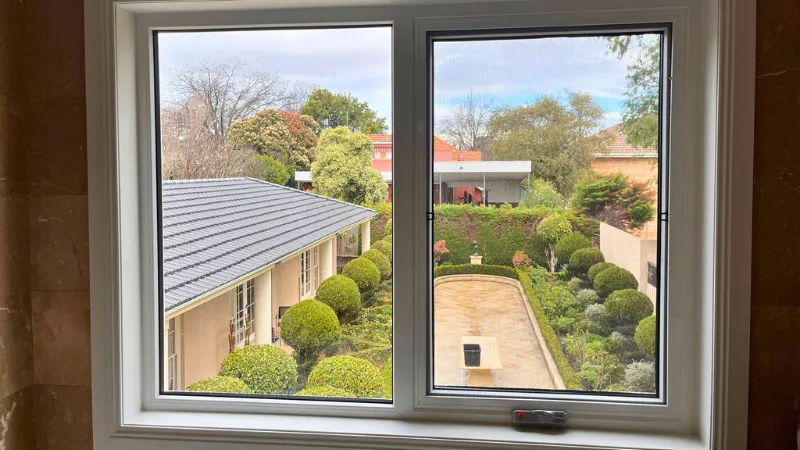
Choosing new windows for your home often involves balancing several priorities at once. You want better insulation to help manage indoor temperatures, but you also want to make sure fresh air can still flow freely through your living spaces. It’s a fair question to ask whether upgrading your glazing might change the way breezes move through your rooms — particularly in a country like Australia, where natural ventilation plays such an important role in keeping homes comfortable across different seasons.
At APS Double Glazing, we understand that homeowners want the full picture before making decisions about their double glazed windows. As an Australian provider specialising in the manufacture and installation of double glazing, we regularly hear questions about how these products interact with everyday airflow. The good news is that well-chosen, properly installed double glazed windows and doors are generally designed to work alongside natural ventilation rather than against it. Let’s look at how this works in practice.
Natural ventilation is the process of moving fresh outdoor air through a home using passive forces such as wind pressure and temperature differences, rather than relying on mechanical systems like air-conditioning units. In most Australian homes, this is achieved simply by opening windows and doors in the right combination to create what’s often called cross-ventilation — a breeze path that allows air to flow in through one opening and out through another.
As outlined in the Australian Government’s Your Home technical guide, good ventilation is considered essential for maintaining a healthy home — it can help support indoor air quality by replacing stale indoor air and reducing the build-up of carbon dioxide and airborne pollutants. Beyond health, natural ventilation may also help reduce reliance on air-conditioning and lower energy use. The principle is straightforward: when you open your windows strategically, you can let fresh air in and stale air out.
In warmer months, a well-ventilated home may feel noticeably more comfortable without needing to switch on the cooling system. In cooler months, short bursts of ventilation can refresh indoor air without dramatically affecting room temperature — especially if your home has good insulation and well-sealed windows when closed.
One of the most common misconceptions about double glazing is that it somehow seals a home shut. In reality, double glazing refers to the glass unit itself — two panes of glass separated by a sealed gap, often filled with air or an insulating gas such as argon. This sealed unit is designed to reduce heat transfer through the glass, which can help keep warmth inside during winter and reduce unwanted heat gain in summer.
The key distinction is between what happens when a window is closed versus when it is open. When closed, double glazed windows may provide improved airtightness compared to older single-glazed alternatives, which can help reduce unwanted draughts and support more stable indoor temperatures. This is generally considered a positive feature, as uncontrolled air leakage through gaps and poorly sealed frames is commonly cited as a notable contributor to energy loss in Australian housing. According to the Your Home technical guide, citing CSIRO research, air leaks may account for a significant portion of winter heat loss in buildings.
When open, however, a double glazed window functions much like any other window. Air flows through the opening in the same way it would with a single-glazed unit. The insulating properties of the glass are only relevant when the window is shut. So, the ability to ventilate your home naturally is generally not affected by the type of glazing — it depends far more on the style, size, and placement of your windows, and how you choose to operate them.
Not all window styles offer the same ventilation potential, and this is an important consideration whether you’re building a new home or replacing existing windows. The openable area of a window — that is, how much of it can actually be opened — varies considerably between styles.
The point is that the choice of window style has a far greater impact on ventilation than the type of glazing. Whether you opt for single, double, or even triple glazing, the airflow characteristics when the window is open remain largely the same for a given window style and size.
As homes become better insulated and more airtight — a trend supported by higher energy performance standards in the National Construction Code, which now requires new homes to achieve a minimum 7-star energy rating — the relationship between airtightness and ventilation becomes more important to consider.
Airtightness is about reducing uncontrolled air movement: the cold draughts that sneak through gaps around old window frames in winter, or the hot air that seeps in on a summer afternoon. Improving airtightness is generally beneficial because it may mean your heating and cooling systems don’t need to work as hard to maintain a comfortable temperature. As noted in the Australian Government’s Your Home guide, poorly sealed homes can experience substantial heat loss simply through unintended gaps in the building envelope.
However, an airtight home also needs reliable ventilation pathways to maintain healthy indoor air quality. This does not mean you need to compromise on your glazing — it simply means that ventilation should be considered intentionally as part of the overall design. In practice, this might mean selecting window styles that offer good openable areas in the rooms where you spend the most time, ensuring cross-ventilation pathways exist between opposite or adjacent walls, and considering how window placement interacts with the layout of your home.
For homes in cooler climates like Melbourne, short periods of purge ventilation — opening windows for a few minutes to refresh indoor air — can be very effective without significantly affecting room temperature, especially when the home is well insulated and windows seal tightly when closed again. In warmer regions, longer periods of natural ventilation during cooler parts of the day can help reduce the need for mechanical cooling, particularly when combined with good shading and home comfort strategies.
If you are considering double glazing for your home and want to help maintain good natural ventilation, there are several practical steps that may be worth considering.
1. Think about window placement during the design or renovation stage: Rooms that have openings on two different walls — ideally opposite or adjacent — tend to ventilate much more effectively than rooms with windows on only one side. As a best practice guideline rather than a regulatory requirement, the Council Alliance for a Sustainable Built Environment (CASBE) suggests that cross-ventilation pathways of up to 18 metres can be effective, provided the openings are appropriately sized and positioned.
2. Consider the openable area of each window relative to the room it serves: Under Australian building regulations, openable windows generally need to provide an opening equivalent to at least 5 per cent of the room’s floor area for natural ventilation purposes. This is a minimum, and in rooms where ventilation is particularly important — such as bedrooms, kitchens, and living areas — larger openable areas may offer better comfort.
3. Choose window styles that suit the ventilation needs of each room: A well-sealed double glazed window that also offers a generous opening — such as a casement or tilt and turn design — may offer a strong combination of thermal performance when closed and effective ventilation when open.
4. Remember that window furnishings like curtains and blinds can also play a role: In cooler months, close-fitting curtains with pelmets may help create a pocket of insulating air between the fabric and the glass, which could improve thermal comfort when the window is shut. In warmer months, opening both windows and coverings in the evening can help flush out accumulated heat.
At APS Double Glazing, we offer a range of window and door styles specifically suited to Australian conditions. From casement and tilt and turn windows that provide generous openable areas, to sliding and bifold options for larger openings, our products are designed to help homeowners achieve both thermal comfort and practical airflow.
Our team understands that every home is different. Factors such as your home’s orientation, local climate, surrounding buildings, and the layout of internal spaces all influence how well natural ventilation performs. That’s why we encourage homeowners to discuss their specific needs during the consultation process, so that window selections can be tailored to each situation.
We manufacture our double glazed windows and doors using uPVC frames, which may offer strong thermal performance along with tight air seals when closed. When opened, these windows are designed to allow fresh air to flow through just as freely as any other well-made window. The result is a home that can feel more comfortable year-round — warmer in winter, cooler in summer, and well-ventilated whenever you choose to open up.
The question of whether double glazing affects natural ventilation is a reasonable one, but the short answer is that well-designed double glazed windows and doors are unlikely to compromise your ability to ventilate your home naturally. The glazing type influences thermal performance when the window is closed; the window style and placement determine ventilation when it is open.
By choosing appropriate window styles, ensuring cross-ventilation pathways are part of your design, and operating your windows with the seasons in mind, you can enjoy the potential insulation benefits of double glazing without sacrificing fresh air. In fact, the improved airtightness of modern double glazed windows may actually give you more control over your indoor environment — reducing unwanted draughts while still allowing you to ventilate deliberately when conditions are right.
If you’re exploring options for double glazing or simply want to learn what may suit your home, you’re welcome to contact the team at APS Double Glazing for guidance tailored to your situation.
Disclaimer: This article is for general information only. Building codes, energy efficiency standards, and government incentive programs may change over time, so it’s important to check the latest requirements with the relevant authority or a qualified professional before making decisions. Window and door performance may vary depending on product choice, installation quality, home design, climate, and maintenance. Comfort, noise, or efficiency outcomes can differ between properties, so it’s best to seek advice specific to your home and circumstances.
Not necessarily. Double glazing affects thermal transfer when the window is closed. When open, airflow is generally comparable to any other window type. Choosing styles with generous openable areas, such as casement or tilt and turn, can help support good ventilation.
In most cases, natural ventilation through well-placed openable windows and doors may be sufficient for healthy indoor air quality, provided windows are opened consistently. Mechanical systems such as heat recovery units are typically recommended for homes built to very high airtightness standards — which is uncommon in most standard Australian homes.
Casement windows tend to offer the largest openable area, with up to around 95 per cent of the frame being openable. Tilt and turn windows can also perform well, offering both full opening and a tilt mode for controlled background airflow. The most suitable option may depend on room size, orientation, and intended use.
Generally, yes. Cross-ventilation relies on having openings on different walls so air can flow through the space. Double glazed windows can be installed in any position, and when opened, they typically allow air to pass through in a similar way to other window types.
The NCC generally requires habitable rooms to have either natural ventilation or a compliant mechanical system. For natural ventilation, openable windows and doors typically need to provide a ventilating area of at least 5 per cent of the room’s floor area. Double glazed windows can generally meet this requirement, provided the openable area is sufficient.