
November ONLY: 35% OFF
APS IS OFFERING 35% OFF ALL ITEMS GET YOUR QUOTE NOW
APS IS OFFERING 35% OFF ALL ITEMS GET YOUR QUOTE NOW

The environmental case for double glazing is often presented as self-evident: better insulation means less heating and cooling, less energy use means fewer emissions. That’s the correct logic in broad terms, but it leaves out the more interesting and more credible question: under what conditions is that case actually strong, and where does it get more complicated?
There are two carbon stories behind any window upgrade. One is about the emissions the windows save during their operating life. The other is about the emissions generated by manufacturing, transporting, and installing them. Both matter in a serious sustainability assessment — because the emissions saved over a window’s life must outweigh the emissions it took to produce it before the upgrade can be called net-positive.
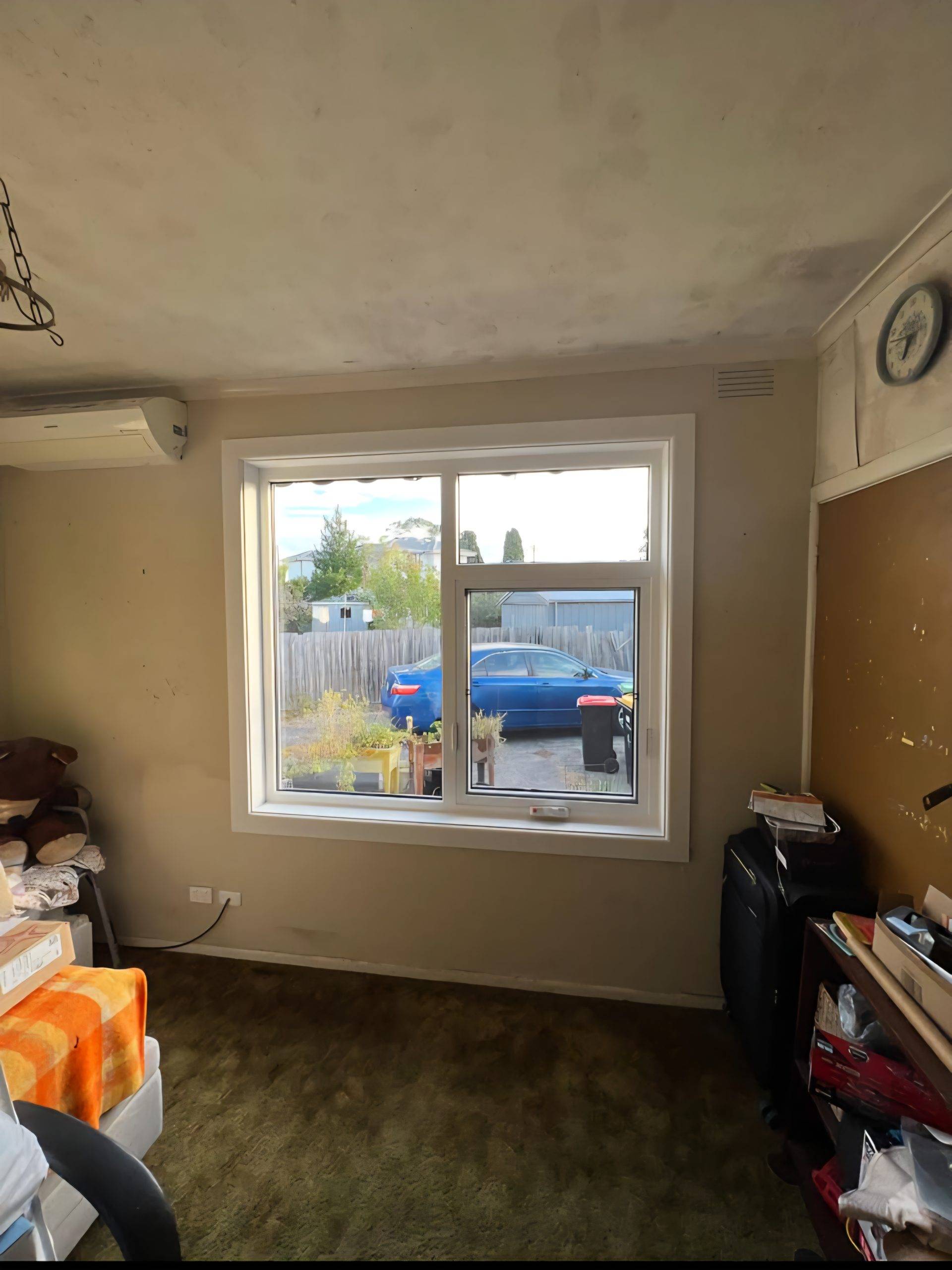
The practical carbon benefit of a window upgrade also depends on the type of opening being installed and how well it performs as part of the whole envelope. For example, energy-efficient double glazed fixed windows are often the preferred choice where maximum thermal performance is the priority — eliminating opening joints minimises air leakage. In larger openings, modern double glazed sliding windows that reduce heat transfer can still contribute meaningfully to lower operational energy use, particularly when replacing older single-glazed systems in frequently conditioned living areas.
Any honest assessment of double glazing’s environmental impact has to account for two distinct carbon effects — what the windows save over their lifetime, and what it costs to make them in the first place.
Operational carbon refers to the greenhouse gas emissions associated with running your home — primarily from heating and cooling. Windows contribute to household carbon through the energy lost on cold nights (heat escaping through the glass) and through solar heat gain on summer days (which increases cooling demand). Better glazing reduces both effects, which reduces the energy demand of the heating and cooling systems and reduces the associated emissions.
Embodied carbon refers to the emissions associated with making the product — extracting raw materials, manufacturing the glass and frame, transporting components to the site, and the energy used in installation. For windows, this represents a carbon debt that must be repaid through operational savings before the upgrade becomes net-positive on emissions.
The carbon payback period — the time it takes for operational savings to outweigh embodied costs — varies significantly by situation. For a home replacing single-glazed aluminium windows in a cold climate that relies heavily on gas or electric heating, the payback can be relatively fast because the operational savings are large. For a home in a mild climate that barely heats or cools, or for a home replacing already-decent older double glazing, the payback may take longer — sometimes long enough that the overall environmental case is weaker than it first appears.
This doesn’t mean double glazing is a poor environmental investment. In most Australian homes replacing single glazing, it almost certainly is a net positive over a 20–30-year window lifespan. But the honest answer to “Does it reduce my carbon footprint?” is: yes, for most homes, but the size of the saving and how quickly it outweighs the embodied cost depends on specific circumstances.
While many homeowners consider glazing upgrades primarily for thermal comfort, noise exposure from transport corridors can also be a deciding factor. Aircraft flight paths and rail lines produce low-frequency sound that behaves differently from typical street noise and often requires more specific glazing configurations to reduce effectively. For homes in these situations, this guide on double glazing for aircraft and rail noise covers what performance improvements are genuinely achievable.
The mechanism is straightforward: the building envelope of a home — walls, roof, floor, and windows — determines how much energy leaks in and out. Windows are among the most thermally permeable elements of that envelope. A well-insulated wall might have an R-value of 2.5–3.5; a single-glazed window typically performs at a very low R-value (often around 0.15–0.2 depending on the system). Glass transfers heat much more readily than almost any other building element.
Upgrading to double glazing improves the R-value of the glass significantly. A standard double glazed unit can roughly double the effective thermal resistance of single glazing, with thermally broken units using low-e glass and argon fill performing significantly better again. This means the glass conducts less heat in both directions: less escaping in winter, less entering in summer.
When the glass conducts less heat, the heating and cooling system runs less to maintain the same indoor temperature. In an electrically heated home, that’s fewer kilowatt-hours consumed — which translates to fewer tonnes of CO₂ equivalent, depending on the grid’s generation mix.
The relationship between energy reduction and carbon reduction is not perfectly linear because the Australian electricity grid’s carbon intensity varies by state and changes over time as renewables increase. Homes that heat with gas currently see a different carbon saving calculation from all-electric homes. As the grid decarbonises, the carbon benefit of electric efficiency improvements grows even if energy bill savings are similar.
The carbon case for double glazing is strongest in specific conditions, and identifying these helps direct investment where it will make the most difference.
The performance gap between single glazing and quality double glazing is large. Homes with original single-glazed aluminium windows — common across much of Australian residential stock built before the mid-2000s — have far more to gain than homes that already have some form of double glazing.
The larger the heating and cooling demand a home has, the larger the absolute energy saving from reducing heat transfer through windows. A home that runs ducted heating for six months of the year and air conditioning through summer has more potential carbon savings available than a home that uses minimal mechanical conditioning.
Large glazed areas, poor orientation management, or west-facing single-glazed windows that drive enormous cooling loads represent concentrated opportunities for reduction. Upgrading these delivers a larger saving per dollar than upgrading already-reasonable windows in less-demanding locations.
In Canberra, Melbourne, Hobart, and other cooler-climate cities, heating demand is significant and sustained. Heat loss through windows is a major contributor to that demand. Double glazing’s insulation benefit is directly valuable here, and the operational savings are larger and more consistent than in climates where heating is occasional.
In hotter Australian cities, the dominant energy use from windows is cooling demand driven by solar heat gain, particularly on west-facing elevations. Solar control double glazing on these surfaces reduces the cooling load and the associated electricity use (and carbon emissions) substantially.
The carbon benefit of double glazing is real, but it isn’t uniform — and in some situations, the case is harder to make cleanly. These are the circumstances where the environmental return is more modest or takes longer to materialise.
If a home’s existing windows are aluminium double glazed units from the 1990s with intact seals, the performance gap between them and new double glazing is smaller. The operational savings are more modest, and the embodied carbon cost of new windows is harder to justify on environmental grounds alone. Repair and maintenance of functional existing windows — replacing worn seals, re-gassing if the insulated glass unit (IGU) has fogged — may be the lower-embodied-carbon path.
In parts of coastal Queensland and mild temperate regions where air conditioning is used only in peak summer and heating is rarely needed, the annual energy saving from double glazing is smaller. The carbon payback period for embodied emissions is longer. This doesn’t make double glazing worthless in these climates — there are still comfort, condensation, and acoustic benefits — but the headline carbon argument is less compelling than in Melbourne or Canberra.
Any window performs worse than its rated specification if installed with air infiltration gaps around the frame, inadequate perimeter sealing, or misaligned hardware that prevents compression seals from functioning properly. A poorly installed quality double glazed window can perform little better than a well-installed older window. The embodied carbon of the new window is spent; the operational savings are not realised. Installation quality is a direct variable in the environmental return on the investment.
If a window replacement is driven mainly by appearance rather than performance — replacing aluminium sliders with a different style of aluminium sliders that have similar thermal performance — the embodied carbon cost is real, but the operational saving may be minimal. This is a legitimate choice for other reasons, but it’s not primarily a carbon-reduction investment.
Frame material affects both embodied carbon and operational performance, so it matters in a full-lifecycle analysis.
Aluminium has relatively high embodied carbon in its primary production, as aluminium smelting is energy-intensive. However, aluminium is highly recyclable, and end-of-life recycling significantly reduces its lifecycle carbon footprint. Thermally broken aluminium frames can improve thermal performance compared to standard aluminium by reducing heat transfer through the frame.
Unplasticised polyvinyl chloride (uPVC) has a different embodied carbon profile, generally involving lower initial production energy than primary aluminium, though it is derived from petrochemical processes and recycling pathways can vary. Its multi-chamber insulating profiles help reduce heat transfer through the frame, supporting the overall thermal performance of the window system.
Timber can have relatively low embodied carbon when sourced from sustainably managed forests, with carbon stored in the wood itself. Its long-term performance depends on ongoing maintenance and environmental exposure, which can influence its lifecycle outcome.
Composite frames (timber interior, aluminium exterior) combine material properties in ways that may optimise both performance and lifecycle carbon depending on specific product design and construction.
The environmental outcome of a window system is not determined by frame material alone. Operational carbon savings depend on how well the complete window system reduces heat transfer and air leakage over time, while embodied carbon depends on material sourcing, manufacturing, and end-of-life pathways.
In many Australian homes, consistent thermal performance, durability, and low maintenance all contribute to how effectively double glazing supports long-term energy reduction. For this reason, it is generally more useful to assess the window as a complete system rather than focusing on a single material in isolation.
Windows are not the most cost-effective carbon-reduction upgrade in every home. Before comparing glazing against other upgrades, it’s worth being clear about the full building envelope picture.
Ceiling insulation is typically the highest-return envelope intervention in Australian homes without it — inexpensive to install, with high performance impact and low embodied carbon. For homes without adequate ceiling insulation, addressing this before windows usually makes more environmental sense.
Draught sealing — filling gaps around frames, doors, and penetrations — has minimal embodied carbon and meaningfully reduces air infiltration, which is a direct energy-use and emissions issue. It should generally precede or accompany window upgrades.
Double glazing’s specific contribution is to the glass component of the building envelope — reducing conducted heat transfer and (with appropriate coatings) solar heat gain. In homes where the ceiling and wall insulation are already adequate and where windows are a significant remaining thermal weak point, the glazing upgrade addresses the appropriate remaining gap.
Heat pumps and reverse-cycle air conditioning are highly efficient heating and cooling devices. The carbon-reduction benefit of double glazing is amplified in homes that use these systems rather than resistive electric heating or gas, because the same reduced heating/cooling load translates to even fewer emissions when the system’s efficiency is high.
Solar photovoltaics (PV) doesn’t reduce the heating or cooling demand from glazing, but it changes the carbon intensity of the electricity used to meet that demand. In homes with solar PV, reducing electricity consumption through better glazing may generate less financial savings (because excess solar might otherwise be exported), but it still has carbon value depending on grid conditions.
Double glazing is not a standalone climate solution. It’s one element of a building-envelope strategy that, combined with appropriate insulation, controlled ventilation, efficient conditioning equipment, and renewable energy where applicable, forms the basis of a genuinely lower-carbon home.
Australia’s climate diversity means the carbon argument for double glazing is not uniform across the country.
In cooler climate zones (climate zones 6, 7, and 8 covering the ACT, highland regions, alpine areas, and most of Victoria, southern NSW, and Tasmania), heating demand is sustained and significant. The carbon benefit of reducing heat loss through windows is meaningful and repays embodied carbon relatively quickly in homes with significant heating use.
In temperate coastal cities (Sydney, Perth, Adelaide, Melbourne closer to the coast), both heating and cooling contribute to energy use. The carbon saving comes from both reduced winter heat loss and reduced summer heat gain, with the balance depending on home orientation and the specific climate subzone.
In warm and tropical northern climates (Queensland, Darwin, northern WA), cooling dominates, and solar heat gain is the primary glazing problem. Solar control double glazing on west and north-facing exposures reduces cooling load and the associated electricity emissions. The operational saving is real but may be smaller than in heating-dominated climates.
A lot of the environmental conversation around double glazing relies on assumptions that are partially true at best. These are the claims worth examining more carefully before treating them as settled.
The environmental benefit depends on what’s being replaced, the climate, how the home is conditioned, and the quality of the installation. It’s not automatic.
Replacing functional existing double glazed windows with new ones involves embodied carbon cost for a modest operational improvement. Repair and maintenance of existing windows can be the lower-carbon option in many cases.
They correlate but are not identical. The carbon content of electricity varies by grid mix and changes over time. A household on a 100% renewable energy tariff saves money on bills by reducing energy, but saves less carbon than the equivalent saving in a fossil-fuel-dominated grid.
The whole-window performance — glass and frame together — determines actual operating performance. A high-specification IGU in a non-thermally broken aluminium frame still produces a compromised thermal result.
With appropriate solar control glazing, appropriate shading, and passive solar design, well-specified large glass areas can contribute to passive heating that reduces heating demand below what smaller windows in a poorly oriented home would achieve. The relationship between glass area and carbon impact is design-dependent, not linear.
Before committing to a double glazing upgrade with carbon reduction as a significant motivation, these questions help calibrate the environmental case:
If the answer to most of these is yes, the carbon case is likely sound. If several are no, the environmental benefit may be present but modest — worth knowing before committing on sustainability grounds.
Double glazing can meaningfully reduce a home’s carbon footprint by reducing the energy demand of heating and cooling, which is the dominant source of household emissions in most Australian homes. The environmental case is strongest when replacing single glazing in cooler climates, in heavily conditioned rooms, and with well-specified glass and installation.
The honest qualification is that the case is not automatic, not uniform across climates, and requires accounting for the embodied carbon of manufacture alongside the operational savings. In homes already equipped with reasonable double glazing, in mild climates with low conditioning demands, or where other building-envelope improvements would deliver more savings per dollar of embodied impact, the carbon argument is more nuanced.
Double glazing is best understood as one component of a whole-home energy and carbon strategy, most effective when combined with appropriate insulation, draught sealing, efficient conditioning, and orientation-aware design. As a single intervention in the right circumstances, it is often one of the most durable and low-maintenance carbon reductions a household can make.
If you’re ready to assess whether a glazing upgrade makes sense for your home, contact APS Double Glazing to discuss your specific project and climate conditions.
Disclaimer: The information in this article is intended as general guidance only. Glazing specifications should be assessed by a qualified professional based on your specific project, site conditions, and applicable Australian standards.
For most homes, yes — by reducing the energy needed for heating and cooling, which are the primary sources of household carbon emissions. The size of the reduction depends on what glazing is being replaced, the climate, how much the home is conditioned, and installation quality.
By reducing heat transfer through windows in both directions — less heat escaping in winter and less solar heat entering in summer — the heating and cooling systems need to run less to maintain comfort. Less energy use means fewer emissions from the energy source, whether gas or electricity.
Not always. Replacing existing functional double glazed windows involves embodied carbon cost for a relatively modest operational improvement. Maintaining and repairing existing windows can be the lower-carbon option when the performance gap is small. The stronger environmental case is for replacing single-glazed or clearly deteriorated windows.
It varies. In a cold-climate home with significant heating use, replacing single-glazed aluminium windows, the payback may be 5–15 years, depending on the energy source and glazing specification. In a mild climate home with modest conditioning use, it may be longer. Product lifespan — double glazed windows typically lasting 20–30+ years — determines whether full payback is achieved.
Yes, but the carbon mechanism is different. In warm climates, the primary saving comes from reduced cooling demand through solar heat gain reduction (achieved with solar control low-e glass on west and north-facing elevations), rather than reduced winter heat loss. The saving is real but may be smaller than in cooling-dominated climates.
Both contribute to the whole-window performance. High-specification glass in a non-thermally broken frame produces a compromised whole-window result. Frame material also has its own embodied carbon footprint and durability implications. The most sustainable outcome comes from treating the window as a system — glass specification, frame performance, and installation quality together.
From an embodied carbon perspective, secondary glazing — which preserves the existing window while adding an internal panel — typically has lower embodied carbon than full replacement. Its operational performance depends on the air gap size and seal quality. For heritage buildings or situations where the existing window is in sound condition, secondary glazing can be the lower-carbon intervention with genuine performance improvement.
Yes. Focusing upgrades on the highest-use rooms with the worst-performing glazing maximises the operational carbon saving per unit of embodied carbon invested. A targeted upgrade of the main living area and primary bedroom, for example, can deliver most of the available carbon benefit at significantly lower embodied cost than a whole-house replacement.
Ceiling insulation typically has a faster carbon payback than windows because its embodied carbon is low, and operational savings in poorly insulated homes are substantial. Solar panels reduce the carbon intensity of electricity consumption across all uses. Double glazing reduces the demand for that electricity in the first place. All three work together effectively; the order of priority depends on what’s already in place.
Directly, yes. Air infiltration gaps around a poorly installed frame allow heat to bypass the glazing system, reducing operational performance towards what a basic window would achieve. The embodied carbon cost of the new window has been incurred; the operational saving is not fully realised.
Possibly, depending on the condition. If the IGU seals have failed (visible fogging between panes), the window is no longer providing its full insulating performance and replacement or unit re-glazing makes sense. If the seals are intact but the units are older standard double glazing without low-e coatings, the improvement from upgrading is real but modest. Climate and conditioning load determine whether the carbon payback is sound.