
November ONLY: 35% OFF
APS IS OFFERING 35% OFF ALL ITEMS GET YOUR QUOTE NOW
APS IS OFFERING 35% OFF ALL ITEMS GET YOUR QUOTE NOW

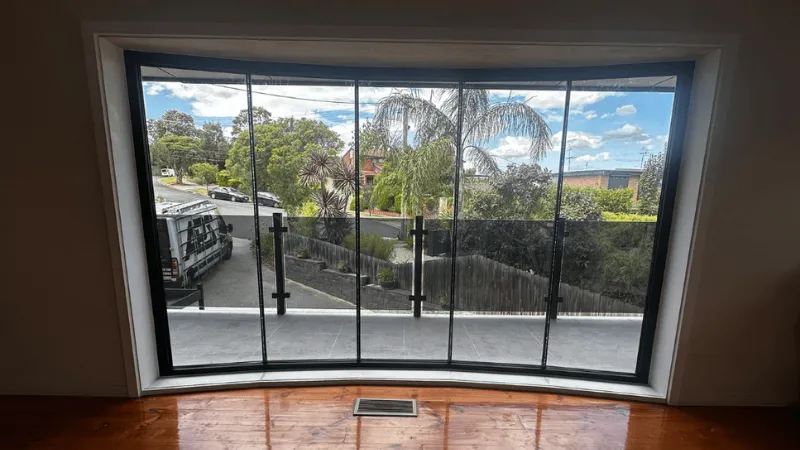
Many people start looking at double glazing when something about the home no longer feels comfortable. A living room that never really warms up, a west-facing space that is hard to cool, or old windows that rattle when the wind picks up.
Once you reach the stage of collecting quotes, everything can suddenly feel less clear. You may receive three or four very different prices, all using similar language, with very little explanation of why they vary so much. The sales pitch might focus on “deals” and “upgrades” rather than what is actually being installed in your walls. Some quotes may cover only glass replacement, while others propose full window replacement with new frames—yet the difference isn’t always made clear upfront.
At APS Double Glazing, we regularly speak with homeowners who are trying to compare very different double glazing quotes. Through our work supplying and installing double glazed windows for Australian homes, we see how much the fine print, installation detail, and product choice can change the final outcome and the overall cost.
This guide walks through ten common red flags in double glazing quotes and double glazing sales pitches. The goal is not to make you suspicious of every supplier, but to give you practical signals that something may need a closer look, or at least a few more questions, before you sign.
A one-page quote that only lists “supply and install double glazed windows” with a single total price might feel simple, but it leaves you with a lot of uncertainty.
If the scope is vague, it can be difficult to know:
When the double glazing scope is not clearly written, it is harder to compare quotes fairly. One supplier may have included full window replacement, while another is only replacing glass.
Ask for a line-by-line breakdown that separates supply, installation, removal of old windows, disposal, and any repairs. If a company hesitates to provide more detail in writing, it can be a sign that parts of the job are being left open to interpretation.
Good double glazed window performance does not come from “double glazing” alone, even when you are aiming for energy-efficient double glazing. It depends on the frame material, the insulated glass unit (IGU), and how the two are combined.
Red flags include quotes that only say:
Without these details, you cannot tell if you are being quoted basic clear double glazing or a more advanced configuration, such as low-E coated glass, argon fill, or acoustic laminates. Two quotes that sound similar on paper may perform very differently in summer and winter.
Request a written specification for each window or door type, including frame system, glass make-up, spacer type, and any coatings or gas fills. This does not need to be highly technical, but it should be specific enough to compare like-for-like.
There are genuine reasons one quote might be more competitive. A company may specialise in a particular product, or have efficiencies in manufacturing or installation. However, if one double glazing price is dramatically lower than the others and looks like a cheap double glazing quote, it is worth pausing.
A very low price can sometimes indicate:
None of these is guaranteed, but a large price gap should trigger a closer look at what is included, and whether anything important might be missing or downgraded.
Ask how the company has achieved the lower price in practical terms. Are they using a different frame system, a thinner glass make-up, or a different installation method? Clear, honest explanations are reassuring. Vague answers or dismissive comments about competitors are not.
Double glazing is a long-term investment, and in most homes, it is not a small decision. If a salesperson insists that a discount is only available if you sign on the day, or suggests that prices will increase dramatically if you “think about it”, this is a warning sign.
Pressure tactics can include:
Some double glazing promotions are genuine, especially for slower periods of the year. However, when the urgency feels forced or the language is uncomfortable, it is reasonable to step back.
Give yourself permission to walk away from any quote that does not allow time for consideration. A reputable company will usually understand that you need time to review the proposal, check references, and compare other options.
Double glazing can often improve comfort and may help reduce household energy use, but there are many variables. Room orientation, shading, insulation, heating and cooling systems, and window size all play a part.
Red flags include claims such as:
These statements are rarely realistic for every home. Double glazing can often help, sometimes quite noticeably, but it is difficult to promise precise performance outcomes without a detailed assessment of the entire building and how it is used.
Look for language that talks about “helping to reduce”, “may improve”, or “can assist” rather than guaranteed outcomes. Ask the supplier to explain, in plain terms, what typical benefits similar customers have experienced and what factors could limit the improvement in your home.
In some simple cases, an indicative price range can be given from plans or approximate dimensions. However, a firm quote for double glazing usually requires a site inspection.
Red flags include:
A good double glazing installer will want to see the property, since proper double glazing installation depends on understanding wall construction, reveal depths, and how each opening needs to be handled. This helps avoid surprises once work starts, both for you and for them.
If a company issues a fixed quote without visiting, ask whether it is subject to change after a site measure. If so, ask them to confirm, in writing, what could cause a variation. Clear answers now can help avoid disputes later.
The quality of the installation has as much impact on performance as the glass and frame system. A well-designed window can underperform if it is not installed correctly.
Be cautious if:
You do not necessarily need to know every installer by name, but you should have a clear sense of who is responsible, and how the work will be managed on site.
Ask whether the company uses its own trained installation teams or external subcontractors. Ask what standards or guidelines their installers follow, and how they ensure consistency. It is also reasonable to ask about how your home will be protected during works and how long each stage is expected to take.
Warranties for double glazed windows typically cover several elements, such as:
A red flag is any quote that says “10-year warranty” or similar, with no detail on what that actually means. Important questions include whether the warranty is with the manufacturer, the installer, or both, and what happens if one party is no longer trading.
Other warning signs:
Request the full warranty terms in writing, and read them before you commit. Pay attention to what is covered, what is excluded, and how to lodge a claim. Ask about typical response times for service requests and whether there is a call-out fee for issues outside the warranty.
Australian homes must meet a range of double glazing compliance obligations and broader Australian building requirements, and these can influence your glazing choices. A concerning sign is when a quote or salesperson does not mention compliance at all, particularly for more complex projects.
Depending on your property, relevant considerations can include:
If these issues never come up, it may mean the supplier has not considered them carefully, or assumes your designer or builder will “take care of it”. In practice, this can cause problems during inspections or future renovations.
Ask how the proposed windows and doors relate to your local building and energy requirements. If you know you are in a bushfire-prone area, or have upper-level bedrooms, mention this directly and ask how it has been factored into the quote.
It is entirely reasonable to ask for more information when you are spending a significant amount on your home. Most reputable companies will understand this and will try to provide clear, practical answers.
Red flags include:
While not every question will have a short answer, you should not feel that information is being deliberately withheld.
If you consistently struggle to get clear answers, it may be safer to work with a company that is more transparent. Documentation does not need to be complicated or overwhelming, but it should exist and be made available when requested.
Red flags do not always mean a company is doing something wrong. Sometimes they simply highlight where communication is incomplete. The key is to treat each warning sign as a prompt to ask more questions.
When reviewing double glazing quotes, it can help to:
Spending a little more time at the quote stage often leads to better outcomes, fewer surprises, and windows that are more likely to perform the way you expect.
Choosing double glazing is not just about picking a product; it is about finding a combination of design, performance, and installation that fits your home and your priorities.
If you are collecting quotes and are unsure how to interpret the differences, you can get in touch with APS Double Glazing. We can talk through the kinds of questions to ask, explain how our double glazed windows are typically specified for different Australian climates, and outline what is usually included in a detailed, transparent proposal.
Whether you are planning a renovation, upgrading a few problem rooms, or looking at a full window replacement, taking the time to understand and compare double glazing quotes in Australia can help you feel more confident in your final decision.
Disclaimer: This guide provides general information only. Double glazing performance, pricing, timeframes, and installation requirements can vary between suppliers, products, and homes. It is always best to seek advice tailored to your specific property, local regulations, and circumstances before making decisions about window or door upgrades.
No. Asking for an itemised double glazing quote is normal and often recommended. A clear breakdown for frames, glass, labour, disposal, and any repairs makes it easier to compare suppliers and spot missing items. A company that is confident in its pricing will usually have no issue providing more detail in writing.
Double-glazed windows are not priced purely by glass area. Small, shaped, or awkward openings can involve more measuring, custom manufacturing, and time on site, so the cost per window can be higher than for a simple large slider. Extra work around plaster, tiling, or cladding can also lift the price for those specific locations.
Many double glazing suppliers ask for a deposit because products are made to measure, but it should feel proportionate and be clearly explained in the contract. Check who you are paying, how staged payments work, and what happens if there are delays or changes. If you feel pressured into a very high upfront payment without clear terms, it is sensible to slow down and ask more questions.
Yes, and it is often a useful question. Knowing the frame system, IGU supplier, and hardware brands can help you understand quality, availability of spare parts, and how easy it may be to service the windows in future. A transparent supplier should be able to tell you which systems they use and why they have chosen them.
Yes. Most reputable companies expect homeowners to compare more than one double glazing quote. Being open about this can sometimes lead to clearer explanations of what they do differently, rather than a push for you to decide on the spot. If someone reacts badly to the idea of you getting other quotes, that response can be a red flag in itself.