
November ONLY: 35% OFF
APS IS OFFERING 35% OFF ALL ITEMS GET YOUR QUOTE NOW
APS IS OFFERING 35% OFF ALL ITEMS GET YOUR QUOTE NOW

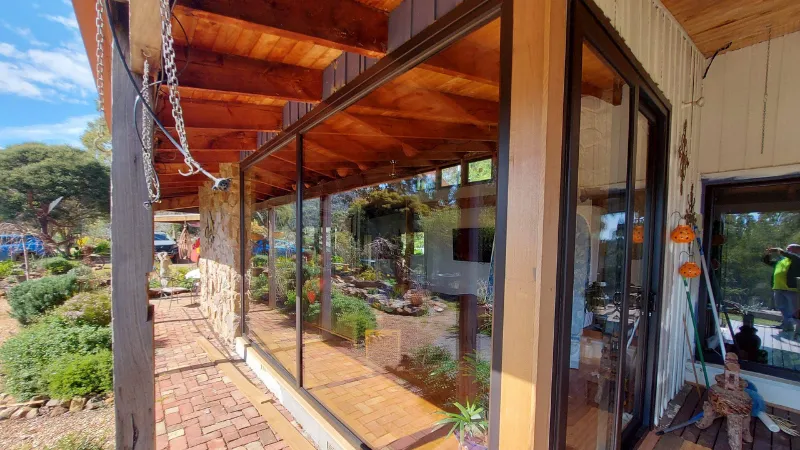
In many Australian homes, the decision to upgrade windows starts with a simple feeling. A room that is always cold in winter, a north or west-facing space that overheats, or windows that rattle and leak when the wind picks up. Once you begin looking for solutions, two paths usually come up quickly. These are retrofit double glazing and full frame replacement.
On the surface, both aim to give you “double glazing”. In reality, they can deliver quite different results, involve very different levels of work, and have different implications for how long your windows will last.
At APS Double Glazing, many conversations begin with people asking whether there is a way to keep their existing frames while still getting better performance. Others already suspect that the frames themselves are part of the problem and are weighing whether a full frame replacement or dedicated window replacement may offer a more complete improvement.
This guide focuses on retrofit double glazing versus full frame replacement in Australian conditions. It explains how each method usually works, what can and cannot be improved, and how to read the signs in your own windows before committing to a path.
Before you compare pros and cons, it helps to be clear about what each option physically involves.
Retrofit double glazing keeps your existing window frame in place and replaces the single pane of glass with a double glazed unit. Depending on the system, this might involve:
In some older windows, a “secondary sash” or internal panel is used instead, but in most retrofit conversations, people are referring to putting a true IGU into the original frame.
Key ideas with retrofitting:
Full frame replacement takes out the entire existing window, frame and all, and installs a new purpose-built double glazed window system in its place. This is the type of window you would see in APS Double Glazing’s double glazed windows range, where:
In practical terms, this feels more like a mini-renovation of each opening than a modification of the old window.
Key ideas with full replacement:
Retrofit double glazing can be very helpful in the right circumstances, but it has clear limits. It is worth unpacking what it typically does well and where it is constrained.
Upgrading from a single pane to insulated glass units (IGUs) usually means:
This can make sitting close to the window more comfortable and may reduce heat loss in winter, especially if the original glass was thin.
However, the IGU thickness is often restricted by the original frame. Older aluminium or timber frames may only accommodate relatively narrow units, which can limit the practical performance uplift.
Retrofitting does not change the frame material itself. If you have:
Then the frame will continue to behave as it does today. Heat can still move through the frame, and cold or hot spots may remain around the edges of the glass.
This is important, because even very good glass can be let down by a frame that conducts heat easily.
Retrofit systems typically replace glazing seals around the glass, but they do not redesign the entire window for air-tightness. So:
Retrofit glazing can reduce some draughts, but it usually cannot transform a very leaky old frame into a modern airtight system.
Because the frame and sashes remain, the existing locks and latches typically stay as well. Some can be upgraded, but you are still working with the original frame strength and hardware positions.
If improved security or more robust locks are a high priority, this is an area where full frame replacement often offers more flexibility.
Retrofit is often chosen where keeping the existing look is important. For example:
From inside, you may notice slightly thicker glazing beads or a deeper glass line, but externally, the change is often subtle.
Full frame replacement is a bigger step, but it also lets you address more of the window at once.
Modern uPVC or thermally improved aluminium frames are designed with insulation in mind. They usually include:
This means the whole perimeter of the glass is working to manage temperature, not just the centre.
With a new frame system, the IGU size and spacer type are chosen to suit the frame rather than being squeezed into an older profile. This allows for:
These elements can make a noticeable difference in comfort, especially near the edges of the glass and in noisy locations.
Full frame replacement gives you a clean slate for:
For many homeowners, this is one of the most visible day-to-day differences. Windows feel solid, close cleanly, and are less prone to rattling in the wind or when trucks pass by.
Replacing the frame often makes it easier to:
This can be particularly relevant in renovations where other building work is occurring.
Once you understand the physical differences, it becomes easier to compare how retrofit and full replacement usually perform in practice, particularly for overall comfort and energy efficiency.
Retrofit double glazing
Full frame replacement
Retrofit
Full replacement
Retrofit
Full replacement
Both approaches can help reduce condensation risk by warming the inner glass surface compared with single glazing.
Retrofit
Full replacement
Good ventilation remains important in both cases. Neither approach “removes” moisture from indoor air.
The condition of your current frames is often the deciding factor between retrofit double glazing and full frame replacement.
Some broad patterns:
Ask yourself:
If the answer is yes for several windows, full replacement often becomes the more sensible long-term investment.
Consider how the windows behave now:
Retrofitting glass into a frame that already has these issues can be like changing the tyres on a car with a bent chassis. You may gain something, but the underlying problem remains.
In some homes, your options are narrowed by:
In these situations, retrofit solutions or carefully designed replacement systems need to be considered in light of what is realistically allowed.
Exact prices vary, so it is usually more helpful to think in terms of patterns.
Very broadly
It is also worth considering how long you plan to stay in the home. A window that is nearing the end of its life might not be the best place to put new glass if you are thinking ten or fifteen years ahead.
Retrofit
Full replacement
Many homeowners choose to upgrade in stages. For example:
An experienced installer can often help you design a sequence that fits your budget and renovation plans.
To make the comparison more concrete, it can help to think about typical scenarios.
Retrofit may help with glass performance, but the conductive frames and limited air sealing can still hold the home back. Full frame replacement with modern double glazed windows often delivers a more noticeable and consistent improvement in this type of property.
Here, retrofit double glazing can sometimes be a good fit when the goal is to keep the original appearance. Careful assessment of each frame is important, and some particularly tired windows may still be better suited to full replacement with sympathetic designs.
In this situation, retrofitting double glazing into deteriorating frames is unlikely to be wise. Full frame replacement using appropriate materials and hardware designed for coastal conditions is usually the more durable option.
When the home is already under renovation, full frame replacement often integrates naturally into the project. Retrofitting glass into old frames during a broader upgrade can sometimes feel like a missed opportunity, especially if access is easy and finishes are being redone anyway.
In some specific cases, particularly with solid timber frames in good condition, retrofit double glazing can come reasonably close. However, most of the time, a purpose-built double glazed window with modern frames will offer more predictable thermal, acoustic, and air sealing performance.
No. Some frames are too shallow, too damaged, or too complex in design to safely or reliably accept an IGU. In other cases, the cost of modifying the frame to suit double glazing approaches the cost of full replacement, making retrofit less attractive.
Large sliding and patio doors often place higher demands on hardware, tracks, and frame strength. Retrofitting glass into old sliding systems can help a little, but if rollers, tracks, and frames are already worn, it may not resolve sticking or draughts. Many homeowners in this situation look at dedicated sliding & patio doors with double glazing as part of a broader upgrade.
Yes, and many people do. For example:
The key is to think about long-term consistency in appearance and performance as you mix approaches.
There is rarely a one-size-fits-all answer to retrofit double glazing versus full frame replacement. At APS Double Glazing, conversations usually cover:
From there, it becomes easier to outline where retrofit may be sensible, where full replacement is likely to provide better value, and how you might stage the work in a practical way.
If you are starting to weigh up these options, we can walk you through:
You do not need to arrive with a fixed idea of which method is “right”. A clear look at how your home behaves today is often the most useful starting point.
Disclaimer: This guide is intended as general information only. Window performance, suitability for retrofit, and installation requirements can vary widely between products, home designs, building regulations, and climates. It is always best to seek advice that considers your specific property, local conditions, and any applicable council or strata rules before making decisions about window upgrades.
Retrofit double glazing does not usually make a room noticeably darker if clear glass is used. Any change in light levels tends to come from the glass type, for example, tinted or low-E coatings, rather than whether it is a retrofit or full frame replacement. If maintaining natural light is a priority, you can usually choose higher visible light transmission glass in either option.
Both approaches can be specified to support bushfire and safety glazing requirements, but full frame replacement generally gives more flexibility. With new double glazed windows, it is often easier to choose compliant glass types, frame materials, and hardware as a complete system. Retrofit double glazing into older frames may still help in some cases, but you usually need very careful advice about whether the existing frames can meet the relevant standards.
From an environmental perspective, retrofit double glazing can reduce waste because it keeps more of the existing frame in place. However, full frame replacement may deliver better long-term energy performance in some homes, which can reduce heating and cooling demand over many years. The “better” option depends on how poor the current frames are, how long you plan to stay, and how significant the efficiency improvement is likely to be.
In many cases, yes. Retrofit double glazing often has separate warranties for the glass unit and the workmanship, while the existing frame is outside that coverage. Full frame replacement usually comes with a more comprehensive product and installation warranty that covers the double glazed window as a whole. Exact terms vary by supplier, so it is important to compare what is and is not included for each option.
Both retrofit double glazing and full frame replacement are usually best handled by professional installation rather than DIY. IGUs are heavy and fragile, frames rely on correct packing and sealing, and poor installation can lead to leaks, fogging, or even glass failure. For most homeowners, DIY is a significant risk with both options, especially once you factor in safety, compliance, and warranty conditions.