
November ONLY: 35% OFF
APS IS OFFERING 35% OFF ALL ITEMS GET YOUR QUOTE NOW
APS IS OFFERING 35% OFF ALL ITEMS GET YOUR QUOTE NOW

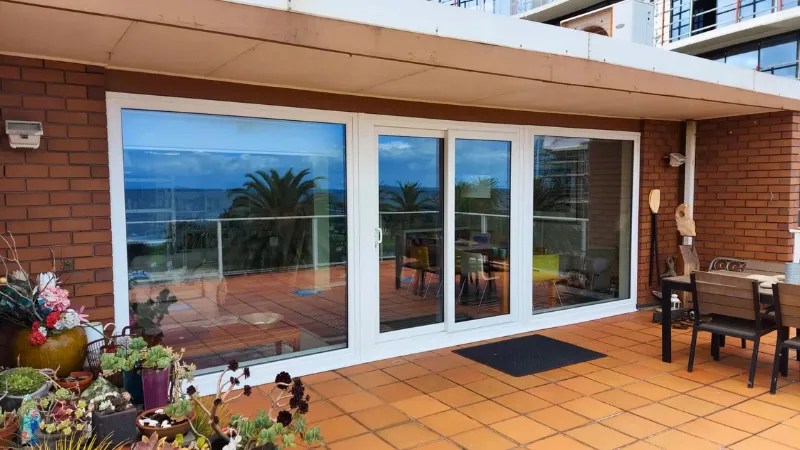
Most homeowners notice fading long before they think about UV protection. A rug that looks washed out near a sliding door, timber boards that change colour in a sun patch, or a favourite armchair that is lighter on one side than the other. Often, the windows are blamed in a general sense, without much clarity on what is actually happening or what can be done about it.
Modern double glazed windows with UV protection do more than keep your home warmer in winter and cooler in summer. They may also help protect your furnishings from gradual fading. The right glass and coating choices can also help slow fading in floors, furniture, fabrics, and artwork, while still allowing natural light and views.
At APS Double Glazing, we often see that once people understand how light causes fading, and how different glazing options behave, it becomes easier to make realistic decisions. You can usually find a balance between protection, comfort, appearance, and budget rather than hoping that one product will solve everything.
This guide looks specifically at double glazing and UV protection in Australian homes, with a focus on how modern glass can help protect interiors and where its limits sit.
Before looking at glass types, it helps to understand why things fade in the first place. Fading is not caused by a single factor. It is usually a combination of:
Ultraviolet radiation carries high-energy wavelengths that can break down chemical bonds in dyes, pigments, and some finishes. Over time, this can:
Standard clear glass in single-glazed windows already blocks a lot of UV-B radiation, but it still allows a significant amount of UV-A rays to pass through. UV-A is often the main contributor to fading indoors because it penetrates more deeply and is present throughout most daylight hours.
Visible light is what allows us to see colour, but it also contributes to fading. Even if you filtered out all UV, some fading would still occur in areas that receive strong daylight for long periods.
This is one reason why “UV protection” does not mean “no fading”. Reducing UV can significantly slow the rate of change, but it cannot completely stop the effects of light over many years.
Heat can accelerate many chemical reactions. Surfaces that repeatedly warm up and cool down under direct sunlight may age faster. This is relevant for:
Glazing that manages solar heat gain can help reduce these temperature swings, which can support longer-lasting finishes.
Different materials respond differently to light. For example:
Understanding that fading is a mix of light, heat, and material behaviour helps set realistic expectations. Glass choice can influence the first two, but not the intrinsic quality of the product sitting in your home.
Energy-efficient double glazing is often discussed in terms of insulation and noise, but the insulated glass unit (IGU) also changes how light and UV enter your home.
A typical double glazed unit includes:
These elements work together to manage heat transfer, but they can also be configured to change how different parts of the light spectrum are transmitted. Modern double glazing can be chosen to:
The key is that not all double glazed units behave the same way. The type of glass and coatings used can make a major difference in how much UV and heat reach your furnishings.
When people ask whether double glazing protects furniture from fading, what they are usually asking is how specific glass combinations perform. Below are some of the main options you may see in quotes and how they typically relate to UV and fading.
A basic double glazed unit with two clear panes already offers better UV protection than a single-pane unit. The extra layer of glass and the cavity reduce some of the energy that reaches the interior.
However, standard clear double glazing is generally not the strongest performer for UV reduction. It may:
This can be suitable where fading risk is moderate, such as south-facing windows or rooms where furnishings are easily moved or rotated.
Laminated safety glass incorporates a plastic interlayer between two glass sheets, and some UV protection glass interlayers are designed to filter a very high percentage of UV radiation. This type of glass can be especially useful when:
Laminated units can be used as one pane within a double glazed unit, providing both UV filtering and the thermal benefits of double glazing.
Low-E (low emissivity) and other advanced coatings are often chosen for energy efficiency, but they can also affect UV transmission. Depending on the product, coatings can:
Some spectrally selective glasses are designed to let in plenty of daylight while filtering out much of the UV and a portion of solar heat. This combination can help protect furnishings without turning rooms dark.
Tinted or solar control glasses reduce the overall amount of solar energy entering the home. They can be:
Tint alone does not necessarily offer the same UV filtering as dedicated UV interlayers, but it can help lower the total light and heat load on furnishings. In many homes, a combination of tint and coatings is used for more targeted performance.
In practice, many modern insulated glass units combine more than one feature, for example:
The right mix depends on your priorities, budget, and how each room will be used.
Not every room needs maximum UV protection. Some spaces are naturally more exposed, especially in Australia’s sunny climate.
North-facing rooms in much of Australia enjoy softer, more even sunlight over the day. This is often desirable for living spaces, but:
Here, a balance of light and protection is usually ideal. Neutral low-E glazing or laminated options can work well without making the space feel dark.
East-facing windows receive direct morning sun. While the intensity is lower than the afternoon sun, certain materials still notice the effect over time, such as:
Glazing that filters UV while keeping rooms bright can be valuable, especially where people like to enjoy the morning light.
West-facing glass is usually the most demanding in Australian homes. It can lead to:
In these spaces, stronger solar control glazing on west-facing windows, sometimes combined with external shading, is often worth considering. Glazing that reduces both UV and overall solar heat gain can help protect furnishings and comfort together.
Glazing above eye level can expose surfaces in a different way. Skylights or high fixed windows may:
Using double glazing with appropriate coatings or laminated panes in these locations can help reduce harsh light and UV reaching horizontal surfaces.
Each material in your home has its own “light story”. Understanding this can help you decide where UV-focused glazing is most critical.
Timber often changes colour over time. This can be part of its natural character, but strong sunlight can exaggerate the effect. You may see:
Glazing that reduces UV and solar heat gain can help slow these changes. Many homeowners also combine glass choice with rugs, furniture layout, and occasional rearranging to keep the colour more even over time.
Textile dyes are especially sensitive to UV and visible light. Common signs of fading include:
Double glazing with laminated or coated glass can help rugs and carpets keep their colour longer, particularly in high-sun rooms.
Sofas, armchairs, and fabric blinds are often placed close to windows for practical reasons. They can show:
UV-filtering glazing can be helpful here. Some homeowners also choose lighter, more forgiving fabric colours or use removable covers in high-exposure areas.
Leather and synthetic leathers can both react to sunlight, sometimes becoming lighter, drier, or more brittle. This is especially noticeable where:
Reducing UV and heat can support better long-term appearance, but conditioning and general care also play a role.
Artwork, prints, and framed photographs are among the most sensitive items in a home. Many inks and pigments are vulnerable to UV, and even moderate light over time can cause visible change.
For important pieces, you may consider:
Even with good glazing, high-value artwork is usually best kept out of strong, direct light wherever possible.
Modern double glazing can do a lot, but it works best as part of a broader approach. Some practical strategies include:
External shading supports double glazing by blocking sunlight before it reaches the glass.
External shading reduces the solar load before it reaches the glass, which can support both comfort and fading resistance.
Even with advanced glazing, internal shading still helps. Sheers, blinds, and curtains can:
In many homes, a combination of double glazing and simple internal shading gives a balanced outcome without making rooms feel closed in.
Small changes sometimes make a noticeable difference, such as:
These decisions work alongside glazing rather than instead of it.
No glazing can eliminate fading altogether. High-performance glass can significantly reduce UV and solar load, which can slow fading, but materials will still age over time. Setting expectations that it will “help manage” fading rather than “fix” it is more realistic.
Very dark tints can reduce light and heat, but they may not be necessary in every room and can make interiors feel gloomy. Spectrally selective or laminated options may offer better targeted protection with a more neutral appearance.
Aftermarket UV films can be helpful in some situations, especially on existing single glazing, but:
In many upgrades, homeowners prefer to build performance into the glazing system itself rather than relying solely on films.
A common worry is that protecting furnishings means sacrificing natural light or views. Modern double glazing can often find a middle ground.
When considering options, you might ask:
By focusing on how each room is used, and what is most important in that space, glazing can be tailored rather than applying one solution throughout the whole home.
If you are planning new double glazed windows or full-frame window replacement, it can help to discuss fading and UV protection early, not just energy and noise. Points to consider include:
You can then look at combinations such as:
A supplier experienced with Australian conditions can usually explain how different glass choices might perform in your climate and how they interact with other design decisions.
For double glazing to keep doing its job, it needs to remain in good condition. Over time, you can support performance by:
If a unit does eventually lose its seal or performance, it can usually be replaced without changing the entire frame system, depending on the window design.
Modern double glazing is not just about comfort and energy bills. The right glass can help protect the character and value of the things you live with every day, from timber floors and rugs to artwork and favourite furniture.
The most effective approach is usually layered. Glazing, shading, layout, and realistic expectations all work together. When these elements are chosen with your climate, orientation, and lifestyle in mind, your home can feel bright, comfortable, and more resistant to the subtle creep of fading over time.
If you are considering double glazing for the first time, planning a renovation, or noticing sun damage on your existing furnishings, you can get in touch with APS Double Glazing. We can discuss suitable glass combinations, likely installation timeframes, and how different options may help protect your interiors while supporting comfort and energy performance in your home.
Disclaimer: This guide provides general information only. Window and door performance, UV reduction, and fading outcomes can vary by product, home design, furnishings, and climate. It is always best to seek advice based on your specific property, priorities, and circumstances.
Double glazing still allows visible light through, so most indoor plants continue to grow normally. If your glass has strong solar-control coatings or tint, some plants may need to be moved closer to the window to receive similar light levels. Most homes may not notice a major impact.
Yes, UV transmission is separate from heat. You can feel cool indoors and still receive UV exposure that may affect fabrics or floors. This is why UV performance depends on the glass type, not on whether the room feels warm or cold.
Some coatings can create a mild reflective effect, but many modern low-E and UV-filtering options are designed to look neutral. Appearance varies by product, so it is worth checking samples in daylight before choosing.
Improved glazing cannot restore colour, but it can slow further fading. This helps stabilise the appearance so fading becomes far less noticeable over the next few years, especially for items that have already reached a more weathered tone.
Most films slowly degrade under sunlight and may need replacement after several years. UV filtering built into laminated interlayers or coatings typically lasts much longer because it is sealed within the glass. Longevity depends on the specific film and exposure levels.