
November ONLY: 35% OFF
APS IS OFFERING 35% OFF ALL ITEMS GET YOUR QUOTE NOW
APS IS OFFERING 35% OFF ALL ITEMS GET YOUR QUOTE NOW

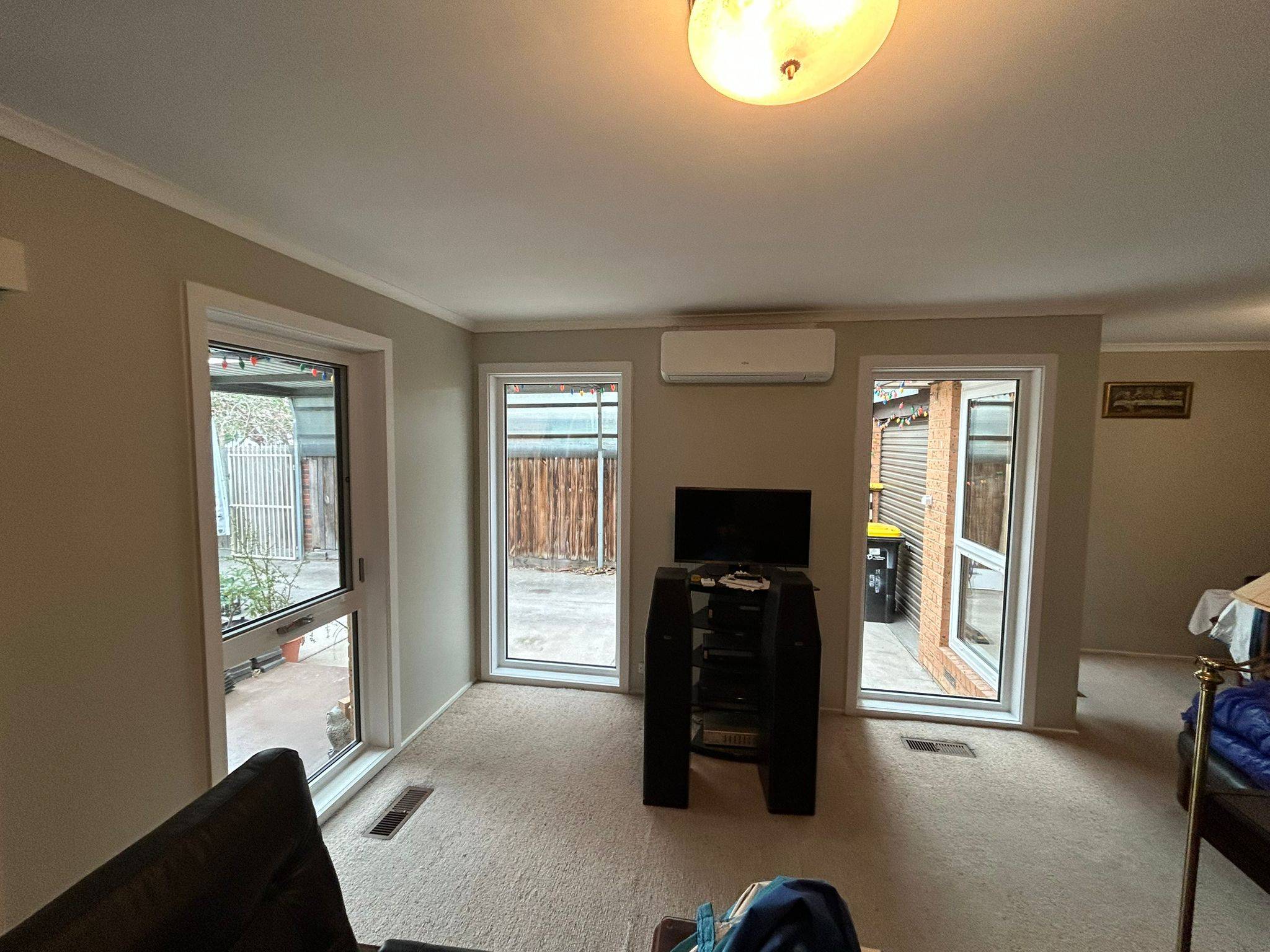
● Heating and cooling account for 40–50% of household energy use in Australia — this is where the real savings are, not standby power or light bulbs.
● Fix the building before upgrading the systems: insulation, draught sealing, and glazing deliver more sustained returns than a newer air conditioner in a leaky home.
● Sealing air gaps around windows and doors costs under $100 and can reduce heat loss by 15–25% — the best impact-to-cost ratio of any intervention.
● Ceiling insulation is the single most impactful building upgrade for most Australian homes; payback is typically three to five years.
● Glazing upgrades are high-value in cooler southern climates and for west-facing windows, but should come after insulation and draught sealing.
● Heat pump hot water systems use roughly a quarter of the energy of electric resistance heaters and typically pay back in five to seven years.
● The priority sequence: seal gaps → ceiling insulation → thermostat habits → hot water system → glazing upgrades.
Australian electricity prices have risen substantially over the past decade, and most households feel it directly in their quarterly bills. The response most people take is to look for individual things to switch off or swap out — replacing light bulbs, unplugging phone chargers, and turning off the TV at the wall. These things are fine, but they’re not where the real money is.
Understanding where energy actually goes in a home changes the whole conversation. Once you know that, the decisions become much clearer: what to do immediately for minimal cost, what to invest in for lasting returns, and what probably isn’t worth much of your attention at all.
If you’re at the point of considering a glazing upgrade, the type of window and the glass specification matter. Our guide to window replacement in Melbourne covers what the process involves and what to look for in an installer, and if you’re weighing up window styles, our overview of double glazed casement windows explains how sealing performance and thermal efficiency vary by window type.
Heating and cooling account for somewhere between 40 to 50% of the average Australian household’s energy use. That single category — running the air conditioner in summer and the heater in winter — dwarfs everything else. Hot water is the next largest, typically 20 to 30%. Appliances, lighting, and standby power together account for most of the remainder, and their individual contributions are usually much smaller than people assume.
This matters enormously for prioritisation. If you optimise your lighting, you might shave a small percentage off the total bill. If you address how well your home holds temperature — or loses it — you’re working on the part of the bill that matters most.
The reason heating and cooling costs so much isn’t just that the systems are energy-hungry. It’s that most Australian homes are working against themselves. A poorly insulated ceiling, gaps around windows and doors, and single glazed glass all mean that the air conditioner or heater is constantly compensating for energy escaping or entering through the building fabric. The system works harder and longer than it needs to. Fix the building first, and the system runs less.
A useful way to think about home energy is the thermal envelope — the boundary between conditioned indoor air and the outside world. Every gap, every thin wall, every poorly sealed window or door is a point where that boundary fails, and where your heating and cooling system has to compensate.
Air leakage is the most underappreciated pathway. Gaps around door frames, window perimeters, exhaust fan openings, and penetrations where pipes and cables pass through walls — each one is a direct channel for conditioned air to escape and unconditioned air to enter. The aggregate effect of all these small leakage points in a typical home is significant. Sealing gaps can reduce heat loss by 15 to 25% — and it’s usually the most inexpensive fix available.
Windows are among the least thermally resistant elements in most walls. Standard single glazed glass has very little resistance to heat transfer. In summer, it admits solar heat gain that drives up cooling loads, particularly on northern and western elevations. In winter, heat radiates out through cold glass surfaces. A home with large areas of single glazing is fighting a constant battle between the heating, ventilation, and air conditioning (HVAC) system and the building fabric.
When considering glazing upgrades, it’s also helpful to have realistic expectations about how much they will actually lower your bills. This breakdown of what you can realistically expect to save with double glazing explains how savings vary based on climate, window size, and the rest of the home’s performance.
Roofs and ceilings are the primary pathways for solar heat gain in Australian homes during summer. A poorly insulated ceiling or roof space allows heat absorbed by the roof to radiate downward into living spaces, dramatically increasing cooling demand. Ceiling insulation is consistently one of the highest-return investments in Australian homes.
Walls matter less than ceilings and windows in most cases, but contribute meaningfully in poorly insulated older homes.
These are the actions with the best impact-to-effort-to-cost ratio. Start here before committing to any capital investment:
Seal air gaps around doors and windows: Perimeter seals on doors that have gaps, weatherstripping on windows, door threshold seals, and acoustic sealant around penetrations. This can be done for under a hundred dollars, and the improvement in both comfort and bills is often immediate.
Adjust heating and cooling habits: Each degree you raise a cooling setpoint or lower a heating setpoint reduces HVAC energy use by roughly 5-10%. In many households, the thermostat is set lower in summer (making the system work harder) or higher in winter than is necessary for comfort. A programmable or smart thermostat that adjusts temperatures when the home is empty or when occupants are asleep makes this automatic.
Use ceiling fans intelligently: In summer, fans running anticlockwise (pushing air down) create a wind-chill effect that makes a room feel cooler, allowing the air conditioner setpoint to be raised without sacrificing comfort. This uses a fraction of the energy that running the air conditioner harder would.
Turn off standby power for devices that aren’t in use: Standby power collectively across a home typically amounts to a few hundred kilowatt-hours per year — meaningful but not the dominant saving opportunity. Power boards with individual switches make this easy. It’s worth doing, but don’t expect it to transform your bill.
Switch remaining incandescent or halogen lighting to LED: This is common in newer homes, but older properties with halogen downlights use five to ten times as much power for the same light output. Light-emitting diode (LED) replacement is low cost, and the savings are immediate.
Once the no-cost and low-cost measures are addressed, the next tier involves some investment but delivers lasting returns.
The single most impactful building upgrade for most Australian homes is where it’s absent or inadequate. In both summer and winter, adequate ceiling insulation dramatically reduces the load on the HVAC system. Payback periods are often three to five years, and the improvement to comfort is substantial. If your home was built before the 1990s and hasn’t had insulation added or upgraded, this is likely the highest-priority building improvement available to you.
In homes with long runs of pipe between the hot water system and taps, insulating hot water pipework reduces the volume of water that runs cold before hot arrives, and reduces standby heat loss in uninsulated pipes running through cold roof spaces or subfloor areas. This is a small but practical improvement.
Upgrading appliances at the end of their life to higher-energy-rating alternatives makes sense, but replacing functional appliances purely for efficiency savings rarely pencils out well. The most significant appliance decisions are the refrigerator (which runs continuously and can vary widely in efficiency across models) and the washing machine (a cold-water wash uses a fraction of the energy of a hot-water wash).
These upgrades involve greater upfront investment but address the building’s fundamental performance over the long term. They deliver the most sustained returns for homes where the earlier tiers have already been addressed.
Windows are worth addressing separately because they affect energy performance, comfort, and condensation in ways that insulation alone doesn’t. Single glazed windows in a home with air conditioning represent an ongoing operational cost — the system is always compensating for what the glass is losing or admitting. Upgrading to double glazing with an appropriate low-emissivity (low-e) coating significantly reduces heat transfer and solar heat gain.
The return on window upgrades is less immediate than that of ceiling insulation and depends on the home’s glazing area, window orientation, whether external shading is present, and the climate zone. In Melbourne or Canberra, where both summer cooling and winter heating are significant, the case for double glazing is stronger than in Brisbane, where cooling dominates, and winters are mild. West-facing windows with large areas of glass in any Australian climate are the highest-priority candidates for glazing upgrades.
External shading — eaves, pergolas, retractable awnings — is often a more cost-effective first step for managing solar heat gain on problematic orientations. Glass that’s shaded from direct summer sun doesn’t need to be as thermally sophisticated as unshaded glass.
If your hot water system is more than ten years old and electrically heated with a conventional resistance element, upgrading to a heat pump hot water system is one of the better whole-of-home energy investments available. Heat pumps use roughly a quarter as much electricity as a conventional electric resistance heater for the same hot water output. The upfront cost is higher, but the payback period is typically five to seven years, and systems qualify for Small-scale Technology Certificates under the national renewable energy scheme.
Solar hot water with an electric boost is another strong option where roof orientation suits it.
For homes where ceiling insulation is already adequate, wall insulation becomes the next meaningful improvement. Retrofitting wall insulation in an existing home is more invasive than installing ceiling insulation, but it’s typically possible through external cladding replacement or via injection methods through the internal or external cladding. The case is strongest in well-sealed, well-glazed homes where walls represent the remaining significant thermal weakness.
Even well-intentioned households can undermine their energy efficiency efforts by focusing on the wrong places or in the wrong order. Here are the most common mistakes worth avoiding.
Overinvesting in small savings while ignoring large ones. Many households spend considerable effort on standby power and light bulb efficiency — which together typically represent 5 to 10% of energy costs — while leaving inadequate ceiling insulation or poorly sealed windows unaddressed, which may account for 30 to 50% of costs. The order of priority matters.
Not fixing the building before upgrading the systems. Installing a more efficient air conditioner or heat pump into a home with poor insulation and significant air leakage improves efficiency relative to the old system, but leaves much of the underlying energy waste in place. The return on system upgrades is larger when the building is addressed first.
Assuming all double glazing is equivalent. Standard double glazing reduces heat transfer compared to single glazing. Still, the cavity width, whether low-e coating is included, and the frame material (particularly whether it uses a thermal break in aluminium frames) all significantly affect actual thermal performance. Not all products deliver the same outcome.
If the question is where to start, the sequence that typically delivers the most per dollar invested follows this logic:
An energy audit from a qualified assessor provides an independent, specific picture of where your home is losing energy and which priority interventions are needed. This is worth considering for homes with persistently high bills where the obvious improvements have already been made.
Reducing energy consumption at home comes down to understanding where the money actually goes — overwhelmingly on heating and cooling — and then systematically addressing the building performance issues that drive those costs. Sealing gaps and improving insulation are the foundations. Glazing upgrades and efficient hot water systems deliver longer-term returns where the conditions justify them. Behavioural changes and appliance efficiency play a supporting role.
Starting with the highest-impact, lowest-cost actions and working toward upgrades that address the building’s fundamental thermal performance yields the best cumulative result. Do them in that order, and each improvement builds on the last.
Heating and cooling typically account for 40 to 50% of household energy use in Australia — significantly more than appliances, lighting, or hot water. This is why building performance improvements (insulation, draught sealing, glazing) have the largest impact on energy bills.
Adjusting heating and cooling habits (setpoint temperature), sealing air gaps around doors and windows, and switching off standby power are all low or zero-cost interventions. Together, they can meaningfully reduce bills without any significant expenditure.
Yes, significantly. Windows are among the least thermally resistant elements in a wall, and large areas of single glazing contribute substantially to both summer heat gain and winter heat loss. In homes with significant glazing on northern and western elevations, glazing upgrades can have a meaningful impact on cooling and heating costs.
It depends on the home, the climate zone, and whether simpler, cheaper improvements have already been made. In cooler southern Australian climates where both heating and cooling are significant, the case is stronger. In homes with large areas of problematic west-facing glass in any climate, it’s more compelling. Ceiling insulation typically delivers better returns first and should be prioritised if it’s absent or inadequate.
An energy audit from a qualified assessor provides a specific, measured picture of where your home is losing energy and which priority interventions are needed. Short of that, high bills combined with difficulty maintaining comfortable temperatures in hot or cold weather are a strong indicator of building performance issues worth investigating.
For most Australian homes: (1) seal air gaps, (2) address ceiling insulation if it’s inadequate, (3) adjust heating and cooling habits with programmable controls, (4) consider a hot water system upgrade if the existing system is old and electrically heated. Glazing upgrades typically come after these foundational improvements.
Yes. Ceiling insulation, in particular, is one of the most consistently effective building improvements available in Australia. In summer, it reduces the rate at which heat enters from the roof space; in winter, it reduces upward heat loss. Homes without adequate ceiling insulation typically see immediate and significant improvements in comfort and bills after installation.