
November ONLY: 35% OFF
APS IS OFFERING 35% OFF ALL ITEMS GET YOUR QUOTE NOW
APS IS OFFERING 35% OFF ALL ITEMS GET YOUR QUOTE NOW

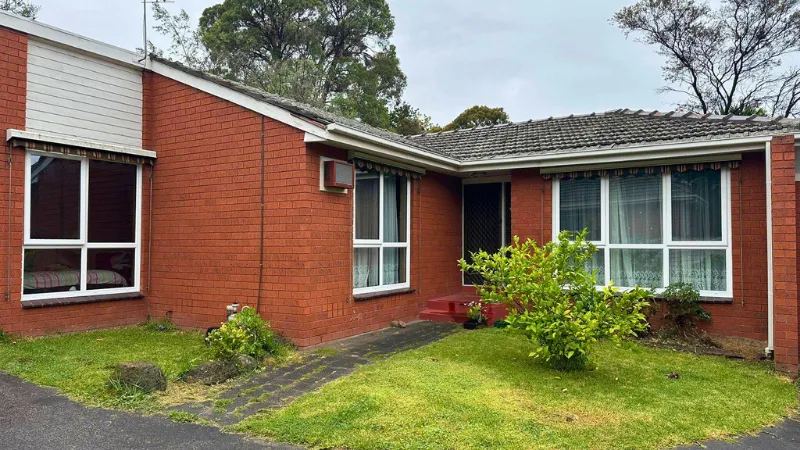
If you live in a Melbourne apartment and struggle with tram noise, late-night traffic, rail corridors or constant street activity, you have probably searched for acoustic windows or noise reduction windows for apartments. Improving acoustic performance in a strata building is not simply a matter of choosing thicker glass.
In many Victorian apartment buildings, windows are treated as common property, or their external appearance is controlled by the Owners Corporation. This means any soundproofing upgrade must comply with Owners Corporation rules, the Owners Corporations Act 2006 and the National Construction Code.
Upgrading to uPVC double glazed windows with an acoustic specification can significantly reduce airborne noise when properly designed and installed. However, the legal and technical requirements must align.
This guide explains how sound enters apartments, which glazing configurations reduce noise, how Victorian strata approvals work, and what you can realistically expect.
Apartment living can involve noise conditions that are less common in detached homes.
In many Melbourne locations, apartments are built:
Unlike a house, an apartment may have:
Soundproofing must consider both airborne noise and vibration. Replacing a window without addressing sealing, frame performance, and glazing specification will not deliver meaningful improvement. At the same time, you cannot modify the external façade without approval.
Before discussing products or approvals, it helps to understand how sound actually moves through a window.
Traffic noise, voices, sirens and braking sounds travel through the air as pressure waves. When those waves strike glass, they cause it to vibrate. The more easily the glass vibrates, the more sound energy passes through.
A typical older apartment window in Melbourne may use a single 4 mm pane in an aluminium sliding frame. A single pane of this thickness offers limited resistance to typical traffic noise. The glass vibrates relatively easily, especially at mid to high frequencies.
Double glazing reduces this vibration by introducing:
However, the performance depends heavily on how that double glazing is configured.
If both panes in a double glazed unit are the same thickness, for example, 4 mm and 4 mm, they can resonate at similar frequencies. This can reduce the overall acoustic benefit at certain frequency ranges.
In many apartment soundproofing applications, APS Double Glazing may specify asymmetrical glass, depending on the noise source and window design. For example, 6 mm laminated glass on the external side and 4 mm or 5 mm glass internally. The difference in mass shifts the resonance frequency and typically improves overall sound reduction performance.
Laminated glass contains an interlayer, usually polyvinyl butyral, bonded between two sheets of glass. Acoustic interlayers are formulated to dampen vibration more effectively than standard laminates.
In practice, laminated acoustic glass:
It does not eliminate low-frequency vibration, but it can materially reduce the perceived sharpness of noise such as braking or engine revving.
Even high-performing glass will underperform if the frame leaks air.
Many older apartment windows use aluminium sliding frames with:
Air gaps significantly reduce acoustic performance. Sound does not need a large opening; even small cracks around the perimeter can compromise the overall system.
uPVC double glazed window systems typically use multi-point locking hardware and compression seals. When closed, the sash is pulled tightly against the frame. This improves airtightness, which directly improves acoustic performance.
Sound can bypass the window entirely by travelling through:
Replacing windows will not control flanking transmission. It mainly improves the sound path through the glazed opening.
When reviewing proposals for noise reduction windows for apartments, you will often see references to Rw values.
Rw, or Weighted Sound Reduction Index, is a laboratory-derived measure of how much airborne sound a building element reduces across a range of frequencies.
A higher Rw value indicates better sound reduction under test conditions.
However, there are important limitations:
For apartment upgrades, the overall performance of the window system matters. That includes:
In general terms, and depending on the specification:
These are indicative ranges only and will vary depending on installation and building construction.
A reduction of 10 decibels is often perceived as roughly halving the loudness. However, perceived improvement is subjective and influenced by the type of noise.
For example:
Sound reduction is measurable and often meaningful, but it is not absolute. No residential window can create total silence in a high-density environment.
While both aluminium and uPVC can support double glazing, the frame material affects acoustic and thermal behaviour.
uPVC window frames typically contain multiple internal chambers. These chambers:
Aluminium frames are more conductive and can transmit vibration more readily. They also rely on mechanical breaks to reduce thermal bridging, which may not match uPVC’s inherent insulating properties.
Many uPVC casement, tilt and turn or awning systems use multi-point locking. When closed, the sash compresses against continuous rubber seals. This creates a more consistent air seal than typical sliding aluminium systems.
Better airtightness contributes to:
In apartment buildings exposed to wind loading and UV radiation, frame stability matters. uPVC profiles designed for Australian conditions are formulated to resist UV degradation. They do not require repainting and are resistant to corrosion, which is relevant in coastal Melbourne suburbs.
For noise reduction applications, consistent long-term sealing is essential. If seals deteriorate or frames warp, acoustic performance declines.
In Victoria, apartment buildings are governed by the Owners Corporations Act 2006 and associated regulations. In many Victorian apartment buildings, windows are treated as common property, which is why Owners Corporation approval is often required before replacement proceeds.
You should review:
In most multi-storey buildings, external walls and windows are common property. This means you need approval before replacing them.
Even if a window is technically part of your lot, the external appearance is typically controlled to preserve façade uniformity.
Replacing a window frame or altering glazing thickness may be considered:
Under Victorian law, a special resolution generally requires at least 75% of lot entitlements in favour.
Some buildings may require unanimous consent for major façade alterations.
In practice, upgrading to noise reduction windows involves several steps.
Before seeking quotes, request written clarification from your strata manager regarding:
An application to the Owners Corporation typically requires:
Documentation should clearly demonstrate no visual change to the building’s exterior. This is often the key factor in approval.
Your application may be tabled at:
Timelines vary depending on meeting schedules.
Approval often comes with conditions, such as:
Check any approval conditions in writing before work starts.
In practice, the following scenarios are common in Melbourne apartment buildings.
If the new window:
It is often more likely to be approved.
Internally, however, the glass specification can be upgraded to include acoustic laminate and asymmetrical panes.
This approach can allow soundproof windows to incorporate an acoustic-focused specification while maintaining the external appearance of the apartment building.
In some buildings, replacing the glass within the existing aluminium frame may be permitted. However, this approach has limitations:
While glass-only upgrades can help, a full uPVC double glazed window replacement typically delivers better sealing performance.
Secondary glazing in an apartment, installed within the lot boundary and not visible externally, is sometimes easier to approve.
This approach creates:
However, it can:
The quality of installation can significantly affect performance.
Acoustic performance depends on continuous sealing around the entire frame. Gaps between the frame and the wall must be:
Apartment buildings, particularly high-rise towers, experience wind loading. Window frames must be:
Poor fixing can lead to movement and seal failure.
Upgrading windows must not compromise:
Water ingress can occur if shortcuts are taken during installation. For apartment buildings, this can create disputes between lot owners and the Owners Corporation.
Although the primary goal may be noise reduction, double glazing also affects condensation behaviour.
Single glazed aluminium windows often exhibit condensation during cold Melbourne mornings. This occurs because the internal glass surface becomes cold when exposed to winter air.
Double glazed uPVC windows:
This is particularly relevant in bedrooms facing busy streets, where both noise and condensation may be concerns.
Expectations should be realistic.
Upgrading from single glazed aluminium sliders to acoustic laminated uPVC double glazed windows may:
However, very loud motorcycles or emergency vehicles may still be audible.
Airborne noise from passing trains can be reduced. Low-frequency vibration transmitted through the structure may remain partially perceptible.
Improved compression seals can reduce whistling or pressure-related noise around poorly sealed frames.
No window upgrade can eliminate all external sound. It can reduce sound transmission through the glazed opening.
Acoustic laminated glass also contributes to security.
Laminated glass:
uPVC window systems with multi-point locking offer greater resistance to forced entry than basic sliding systems.
For ground-floor or balcony-level apartments, this may also reduce vulnerability to forced entry.
Costs vary depending on:
Apartment installations usually require more planning than house installations.
If you are considering noise reduction windows for apartments in Melbourne:
When properly specified and installed, uPVC double glazed windows with an acoustic configuration can reduce airborne noise while improving sealing and long-term performance.
If you would like guidance specific to your building and location, APS Double Glazing can review your plans, discuss likely approval requirements and outline technically appropriate options. Our approach is always to align acoustic performance with Victorian strata law and practical installation realities, so you can make an informed decision for your apartment.
Disclaimer: The information in this article is general in nature and is provided for educational purposes only. It does not take into account your specific property, building conditions, or personal circumstances. Before making decisions about window replacement or acoustic upgrades, you should seek appropriate professional advice relevant to your situation. Performance outcomes may vary depending on product specification, installation quality, and site conditions.
In most Victorian apartment buildings, yes. Windows are usually common property. You should confirm through your Plan of Subdivision and strata manager.
Possibly, if the external appearance remains consistent and the Owners Corporation approves the change. Each building has different rules.
Noise reduction depends on the existing window, the new specification and the surrounding building structure. Many homeowners notice a clear reduction in traffic noise, but total silence is not realistic.
For mid-frequency braking and road noise, laminated acoustic glass typically performs better than monolithic glass. For low-frequency vibration, performance gains may be more limited.
Yes. If the proposed change alters the façade or doesn’t comply with building rules, the Owners Corporation can refuse approval.