
November ONLY: 35% OFF
APS IS OFFERING 35% OFF ALL ITEMS GET YOUR QUOTE NOW
APS IS OFFERING 35% OFF ALL ITEMS GET YOUR QUOTE NOW

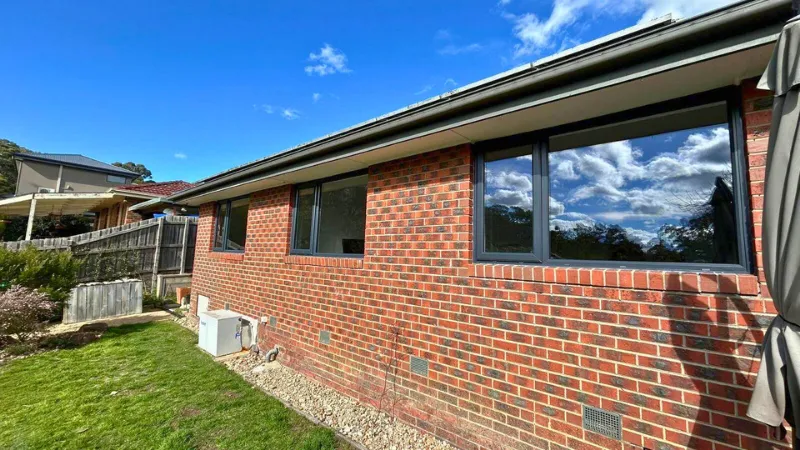
Traffic, trains, nearby construction and general neighbourhood activity can make external noise a persistent part of life in many Victorian homes. Older windows can be a particular weak point, especially when thin glass, ageing frames or gaps around opening sections allow sound to travel more readily from outside to inside.
For homeowners considering double glazed windows, noise reduction is often one part of a broader comfort upgrade. The important point is that quieter indoor spaces do not come from simply adding a second pane of glass. Glass selection, the space between panes, frame construction, seals and installation all contribute to how the finished window performs.
For homeowners considering uPVC double glazing in Victoria, it is useful to assess the window as a complete system rather than focusing on the glass alone. Well-designed double glazed windows and doors can help reduce the amount of external sound entering a property, but the result will depend on the type of noise, the window configuration and the wider construction of the home.
Once you understand these variables, it becomes easier to pick uPVC double glazed windows that fit the problem you’re trying to solve, whether that’s to reduce traffic noise from a busy road, take the edge off street activity near a living area or make a bedroom quieter.
Windows can be one of the more acoustically vulnerable parts of a building envelope because they contain glass, frames, opening sections and seals. The amount of sound that gets through depends not only on the glazing but also on how effectively all of these components work together.
Older single-glazed windows may have relatively thin glass and frames or seals that no longer close tightly. Even a small gap can matter because sound can travel through openings around a window rather than having to pass directly through the glass.
The character of the noise also matters. The low-frequency rumble of trucks and buses is different from higher-frequency voices, dogs barking or other neighbourhood sounds. This is one reason there is no single glazing specification that will provide the same level of double glazing noise reduction for every Victorian property.
Double glazing introduces several elements that can help limit sound transmission. Rather than viewing each feature separately, it is more useful to understand how the glass, cavity, frame and seals combine to form the window system.
A double-glazed unit is made of two glass panes with a sealed cavity between them. Sound travelling towards the window must interact with multiple layers rather than a single pane, which can help reduce the amount of sound transmitted into the room.
The details of that construction matter. Glass thickness, the difference in thickness between the two panes and the distance separating them can all influence acoustic behaviour. Depending on the noise problem, an appropriately designed asymmetric glass configuration or laminated glass may be considered as part of an acoustic double glazing specification.
This is why choosing double glazing for noise reduction should involve more than asking whether a window has two panes. The most appropriate configuration can depend on the frequencies and intensity of the noise affecting the property.
The frame is another important part of acoustic performance. uPVC window systems can incorporate multi-chambered profiles and effective seals that help create a tight closure when the window is shut. Reducing gaps and uncontrolled air leakage can also reduce pathways through which outside sound enters.
Sealing is especially relevant when replacing ageing windows that rattle or no longer close properly. In these situations, part of the improvement may come from addressing weaknesses around the existing window as well as from changing the glazing itself.
Even a carefully specified window cannot work independently of the building around it. Appropriate measurement, fitting and sealing around the frame can all influence the performance of the installed system.
Sound may also enter through walls, roofs, doors, vents and other parts of a home. If these become the dominant transmission paths after the windows are upgraded, further changes to the glazing alone may have a more limited effect on the overall indoor noise level. For this reason, noise reducing windows are best considered as one part of the property’s overall acoustic performance.
Before choosing a window configuration, it helps to identify what sound is causing the problem, where it comes from and which rooms are most affected. These details can influence which features deserve the greatest attention.
Homes facing arterial roads can experience a mixture of engine noise, tyre noise, braking and occasional horns. Some of this sound includes lower frequencies that can be more difficult to control than higher-frequency noise. When considering soundproof windows to help reduce traffic noise, homeowners should therefore consider the complete glass specification rather than assuming any standard double-glazed unit will perform identically.
For properties in busier residential areas, the issue may be conversations, passing pedestrians, pets, deliveries or nearby activity. In these situations, the objective may be to reduce street noise sufficiently to make bedrooms, studies and living areas more comfortable rather than attempting to eliminate every outside sound.
Rail and tram noise can vary substantially according to distance, surrounding buildings, terrain and the orientation of the property. Intermittent sounds can also be more noticeable indoors because they contrast with the normal background noise level. Identifying the dominant source helps inform a more appropriate glazing and window specification.
Glass receives much of the attention when discussing noise, but the way a window opens and closes can also influence its ability to form an effective seal. Homeowners comparing double glazed windows Victoria properties may benefit from considering operation, ventilation and acoustic priorities together.
For example, tilt and turn windows provide different opening positions for ventilation and access, while their closed configuration can help create an effective seal between the sash and frame. Other configurations may suit different architectural, access or ventilation requirements.
There is also a practical trade-off to recognise: an open window creates a direct pathway for sound. Even a high-performing acoustic window cannot provide its closed-window performance while it is open for ventilation. How a household balances fresh air with noise control should therefore form part of the decision.
Where external noise is particularly intrusive, the glass configuration may need closer attention. Simply increasing glass thickness is not always the whole answer. Different combinations can change how the glazing responds to particular sound frequencies, which is why the source of the noise should be considered before deciding on a specification.
Laminated glass may be considered for some acoustic applications because its construction includes an interlayer between sheets of glass. Using panes of different thicknesses can also help address a broader range of sound frequencies than relying on two identical panes. Understanding how double glazing reduces noise means looking at these elements together, as the glass, spacing, frames and seals can all influence the acoustic performance of the finished window.
Rather than assuming that thicker glass automatically means a quieter home, it is better to consider the entire glazing specification and the particular noise affecting the property. This becomes especially relevant for homes exposed to persistent road, rail or other high-noise environments.
For many Victorian households, external noise is not the only reason for replacing older windows. The same project may also provide an opportunity to consider winter heat loss, summer heat gain and general indoor comfort.
The Victorian Government notes that double-glazed windows can retain more heat and conditioned air than single-glazed windows. Actual household energy outcomes, however, can vary according to the window system, property characteristics and how heating and cooling are used. Homeowners considering an upgrade can review current information about window glazing discounts through the Victorian Energy Upgrades program, including applicable eligibility and approved-product requirements.
This makes it useful to consider acoustic and thermal priorities together. Energy efficient windows combine glazing and frame characteristics that can help limit unwanted heat transfer, while an appropriate acoustic specification can address the property’s noise exposure. The most suitable combination will depend on the home rather than a single feature or specification.
Windows are an obvious place to investigate when outside noise is intrusive, but large glazed doors can occupy a substantial part of an external wall. If windows are upgraded while an older or poorly sealed glazed door remains, sound may continue to enter through that part of the building envelope.
This is particularly relevant in living and dining areas opening onto balconies, courtyards or backyards. Well-fitted double glazed sliding doors can allow the glazing, frame and sealing around a large opening to be considered as part of the wider noise-reduction strategy.
For a home beside a busy street, for example, replacing the windows facing the road may address one major pathway for noise. If the same room also contains a large glazed door exposed to that direction, however, its construction and sealing should also be considered. Looking at the room as a whole can produce a more informed specification than concentrating on individual windows in isolation.
There is no universal window specification for every noisy home. Before choosing uPVC double glazing in Victoria, homeowners can benefit from assessing the actual conditions around the property and deciding which rooms need the greatest improvement.
Useful considerations include:
For homeowners researching double glazing Melbourne options, these questions can also make product comparisons more meaningful. Instead of comparing windows only by the number of panes or frame material, it becomes possible to discuss how the proposed system responds to the conditions at the property.
Reducing unwanted noise is ultimately about matching the window and door system to the home. Double glazing can help reduce sound transmission, but acoustic performance depends on the interaction between the glass, cavity, uPVC frame, seals, opening configuration and installation.
For homes affected by traffic, street activity or other external noise, identifying the dominant sound source and the weakest parts of the building envelope is a sensible starting point. From there, the glazing and window configuration can be considered alongside thermal comfort, ventilation and how each room is used. This approach provides a more realistic basis for choosing uPVC double glazing than expecting one standard specification to perform the same way in every Victorian home.
This information is general in nature. Actual acoustic and thermal performance can vary according to the window and glazing specification, installation, building construction, property conditions and type of external noise. Product and installation advice should be based on the requirements of the individual property.
uPVC double glazing can help reduce the amount of external noise transmitted through windows when the glass, frame, seals and installation are appropriately specified. Results vary with the existing windows, the glazing configuration, the building’s construction and the type of noise.
Double glazing can help reduce traffic noise, but road noise contains different frequencies, including lower-frequency sounds that can be more difficult to control. Glass thickness, pane configuration, the cavity, sealing and the complete window system should therefore be considered for homes near busy roads.
Not necessarily. Glass thickness is one factor, but using different pane thicknesses or laminated glass may be appropriate for certain acoustic requirements. The most suitable configuration depends on the characteristics of the noise and the overall window design.
The frame can make an important contribution because acoustic performance depends on more than the glass. A well-designed uPVC frame with effective seals can help limit gaps and air leakage that may otherwise provide pathways for external sound.
Double glazing is intended to reduce sound transmission rather than eliminate every outside sound. Noise can also travel through walls, roofs, doors, vents and other parts of the building, so the achievable result depends on the complete property as well as the windows.
The appropriate style depends on the property, ventilation requirements and how the window needs to operate. The effectiveness of the closed seal is an important consideration for acoustic performance, while opening the window for ventilation will allow more outside sound to enter.
Yes, a window system can be specified with both acoustic and thermal considerations in mind. However, the features that influence each type of performance are not identical, so the glazing, frame and overall specification should reflect the priorities of the individual home.