
November ONLY: 35% OFF
APS IS OFFERING 35% OFF ALL ITEMS GET YOUR QUOTE NOW
APS IS OFFERING 35% OFF ALL ITEMS GET YOUR QUOTE NOW

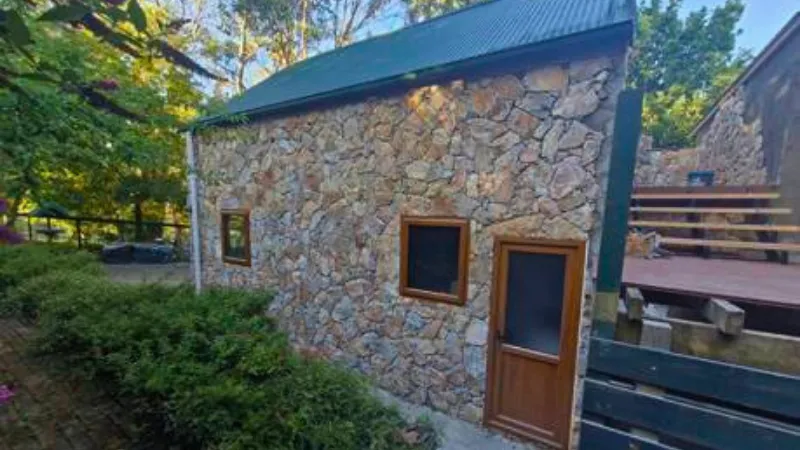
Unwanted noise is a common comfort concern in Melbourne homes. Traffic, aircraft, wind, rain, and neighbourhood activity can all become more noticeable indoors, even when doors and windows are closed. Many homeowners focus on walls or insulation, yet the way a home is built from the roof down plays a much larger role than expected.
In many Australian houses, double glazed windows are already recognised as a key part of improving indoor comfort. However, noise does not always enter directly through the window itself. It often travels through the roof structure, ceiling space, and surrounding building elements before reaching the room.
Understanding how sound travels through a roof helps explain why some homes remain noisy even after upgrades, and why window performance matters more than many homeowners expect.
Noise rarely travels in a straight line. In suburban Melbourne, sound from roads, trams, aircraft, and nearby activity can approach the home from above as well as from the sides.
Many homes use lightweight roofing systems such as metal sheets or tiled roofs with ventilated cavities. These systems are effective for weather protection and drainage, but they are not primarily designed for acoustic control. As a result, airborne sound can enter the roof space and interact with the ceiling below.
You may notice this when noise feels like it is coming from above rather than directly through a wall or window. This is common in single-storey homes, open-plan areas with large ceiling spans, and rooms positioned directly below the roof.
Urban density also plays a role. As Melbourne suburbs become more built-up, sound reflects off nearby buildings and surfaces. This can increase the amount of indirect noise reaching your roof, especially in areas near major roads, train lines, or construction zones.
To understand why roof-related noise is noticeable indoors, it helps to look at how sound behaves once it enters the building envelope.
Airborne noise includes traffic, voices, and aircraft. This type of sound travels through the air and can pass through gaps, materials, and openings.
Structure-borne noise occurs when vibrations travel through building elements such as roof framing or ceiling joists. Rain hitting a metal roof is a common example. The impact creates vibration that transfers through the structure and radiates into the room below.
The space between the roof and ceiling can act as a chamber where sound spreads and reflects. Once noise enters this cavity, it can move laterally across the home before finding a path into internal rooms. This is why noise can sometimes be heard in areas that do not directly face the source.
Standard plasterboard ceilings provide limited resistance to airborne sound. While they offer some mass, they are not designed as acoustic barriers. Sound can pass through or reflect off the surface, depending on frequency and intensity.
Sound often bypasses insulation and solid materials by travelling through junctions. These include:
These pathways allow noise to enter rooms even when insulation is present.
Certain roof design choices can make outside noise more noticeable indoors.
Metal roofing is widely used across Melbourne due to its durability and drainage performance. However, it has low mass compared to heavier materials, which means it does not block or dampen sound as effectively.
Rain, hail, and airborne noise can be more audible under these roofs, particularly without additional acoustic layers.
Tiled roofs provide more mass but are not airtight systems. Small gaps between tiles and at ridge lines can allow airborne sound to enter the roof cavity.
Steeper roof pitches can reflect sound differently, sometimes directing it into the cavity rather than away from the home. This effect varies depending on the surrounding structures and sound direction.
Roof ventilation is important for moisture control, but vents and open eaves can also act as entry points for sound. These openings allow airflow, and with it, airborne noise.
Skylights, exhaust fans, and other roof penetrations introduce breaks in the roof structure. If not properly sealed or specified, they can reduce the overall acoustic performance of the roof system.
Ceiling insulation is often the first upgrade homeowners consider, but while it can improve thermal performance, its effect on noise is more limited than many expect.
Standard bulk insulation is designed to reduce heat transfer. While it can absorb some sound, it is not specifically engineered for acoustic control.
Acoustic insulation products have different densities and properties. However, even these do not fully block airborne noise on their own.
Heavier ceiling systems can reduce sound transmission more effectively. Double-layer plasterboard or specialised acoustic boards may improve performance, but these solutions are not always practical in existing homes due to cost, ceiling height loss, or the extent of work involved.
Downlights, vents, and ducting create openings in the ceiling. These gaps allow sound to pass through easily, reducing the effectiveness of insulation.
Many homeowners find that adding insulation improves temperature control but does not significantly reduce residential noise. This is because sound continues to travel through other parts of the building envelope.
Even with insulation in place, sound will follow the easiest path into the home.
Where the roof meets walls and windows, small gaps or variations in construction can allow sound to pass through.
Wind can carry sound and push it into openings around the building. This is why noise may increase during certain weather conditions.
Once inside the roof space, sound can move toward weaker points such as windows, doors, or wall junctions.
Windows are one of the most common weak points in the building envelope when it comes to sound. This is why window performance often has a direct impact on how much noise is noticed indoors, regardless of where that noise originates.
Even if noise enters through the roof, it often becomes more noticeable at the window. This is because:
Sound reflects around the room and concentrates near the window, which can make it feel as though the noise is coming directly through the glass.
This is why improving window performance can reduce how much roof-related noise is noticed indoors.
Many existing homes in Melbourne still use single glazed windows with aluminium frames. These systems have several limitations.
A single pane of glass offers minimal resistance to airborne sound. Higher frequency noises, such as voices or traffic, are more likely to pass through.
Older aluminium windows often rely on sliding mechanisms and minimal sealing. Small gaps around the frame allow both air and sound to enter.
Over time, movement in the building can create gaps between the window frame and the surrounding wall. These gaps are often hidden but can significantly affect acoustic performance.
Wide window spans increase the total area through which sound can enter. This becomes more noticeable in living areas or bedrooms facing external noise sources.
Upgrading to uPVC double glazed windows addresses several of these weak points at once, making them a practical option for homeowners looking to reduce noise.
Double glazing uses two panes of glass separated by a sealed gap. This configuration can help reduce the amount of sound that passes through the window compared to single glazing.
The space between the panes acts as a buffer. It slows down sound waves and reduces their energy as they pass through.
uPVC window frames are typically designed with multiple internal chambers that can improve both thermal and acoustic performance.
Unlike sliding systems, many uPVC window types use compression seals. When closed, the sash presses firmly against the frame, reducing gaps where sound could enter.
While windows do not stop noise completely, improving their performance often leads to a noticeable reduction in how much sound enters the home. This includes noise that has travelled through the roof and been redirected toward the window.
Window style affects how well a frame seals when closed, which has a direct impact on how much sound passes through.
Casement windows close tightly against the frame using compression seals, which may reduce air leakage and improve sound resistance.
These systems provide a strong seal when closed and offer flexible ventilation options without fully opening the window.
Fixed glazing has no operable parts, which removes potential gaps. This can make them more effective for areas exposed to high noise levels.
Sliding systems are convenient but typically have more gaps compared to compression-sealed designs. This can affect their acoustic performance.
In many homes, a combination of fixed and operable windows is used to balance ventilation, access, and noise control.
The interaction between roof and window design becomes more noticeable in certain situations.
Aircraft noise often approaches from above. Roof structures may allow this sound to enter, while windows influence how much of it is heard indoors.
Traffic noise can reflect off surfaces and reach the roof before entering the home. Window upgrades can help reduce the amount of sound that ultimately reaches living spaces.
Large ceiling areas and expansive glazing can amplify sound if not properly addressed.
Rooms directly under the roof are more exposed to both roof and window-related noise pathways.
You may notice patterns that suggest both roof and window systems are involved.
These signs indicate that improving the building envelope, including windows, may help manage indoor noise levels.
Before making any changes, it is important to understand how noise is entering your home.
Determine whether the primary source is traffic, aircraft, neighbours, or weather-related.
Check for worn seals, gaps, or outdated glazing systems.
Homes with metal roofing or minimal ceiling insulation are more likely to experience sound entering from above.
Different noise types respond differently to glazing and sealing improvements.
Double glazing can help reduce noise, but it does not eliminate it entirely. The level of improvement depends on the overall construction of the home.
Effective residential noise control often requires a combination of improvements across the building envelope.
Windows are one of the most practical starting points because they are a common weak point in many homes. Upgrading to modern uPVC double glazed systems can improve sealing, reduce air leakage, and enhance overall acoustic performance.
When combined with proper installation and careful sealing around gaps, this approach can contribute to a quieter and more stable indoor environment.
Understanding how sound moves through your home helps you make more informed decisions about upgrades. Roof design, ceiling construction, and window performance all work together, and improving one area can influence the overall result.
In many Melbourne homes, upgrading older windows to well-designed uPVC double glazed systems is a practical step toward better indoor comfort, reduced noise, and improved energy efficiency.
If you are noticing ongoing noise issues and want to better understand how your current windows are performing, APS Double Glazing can help you assess your setup and explore suitable options for your home.
Disclaimer: The information provided in this article is intended for general guidance only. Results may vary depending on the property, existing construction, installation quality, and surrounding environment. We recommend speaking with a qualified installer to assess your specific situation.
Roof colour mainly influences heat absorption rather than sound transmission. However, darker roofs may slightly change material expansion and contraction, which can affect how certain noises, like rain or thermal movement, are perceived inside.
Higher ceilings can allow sound to travel and reflect more within a room, which may make noise feel more noticeable. This depends on the room layout, materials used, and how well the building envelope is sealed.
Moisture in roof cavities can reduce the effectiveness of insulation over time, which may affect how sound is absorbed. Persistent condensation can also indicate ventilation issues that may allow more outside air and noise to enter.
Yes, wind can carry and direct sound toward certain parts of the home, including roof vents and eaves. This is why noise levels may vary depending on weather conditions and the orientation of your property.
In many cases, older homes have more gaps, less sealing, and different construction methods, which can allow sound to enter more easily. Newer homes may perform better, but this still depends on materials, design, and installation quality.