
November ONLY: 35% OFF
APS IS OFFERING 35% OFF ALL ITEMS GET YOUR QUOTE NOW
APS IS OFFERING 35% OFF ALL ITEMS GET YOUR QUOTE NOW

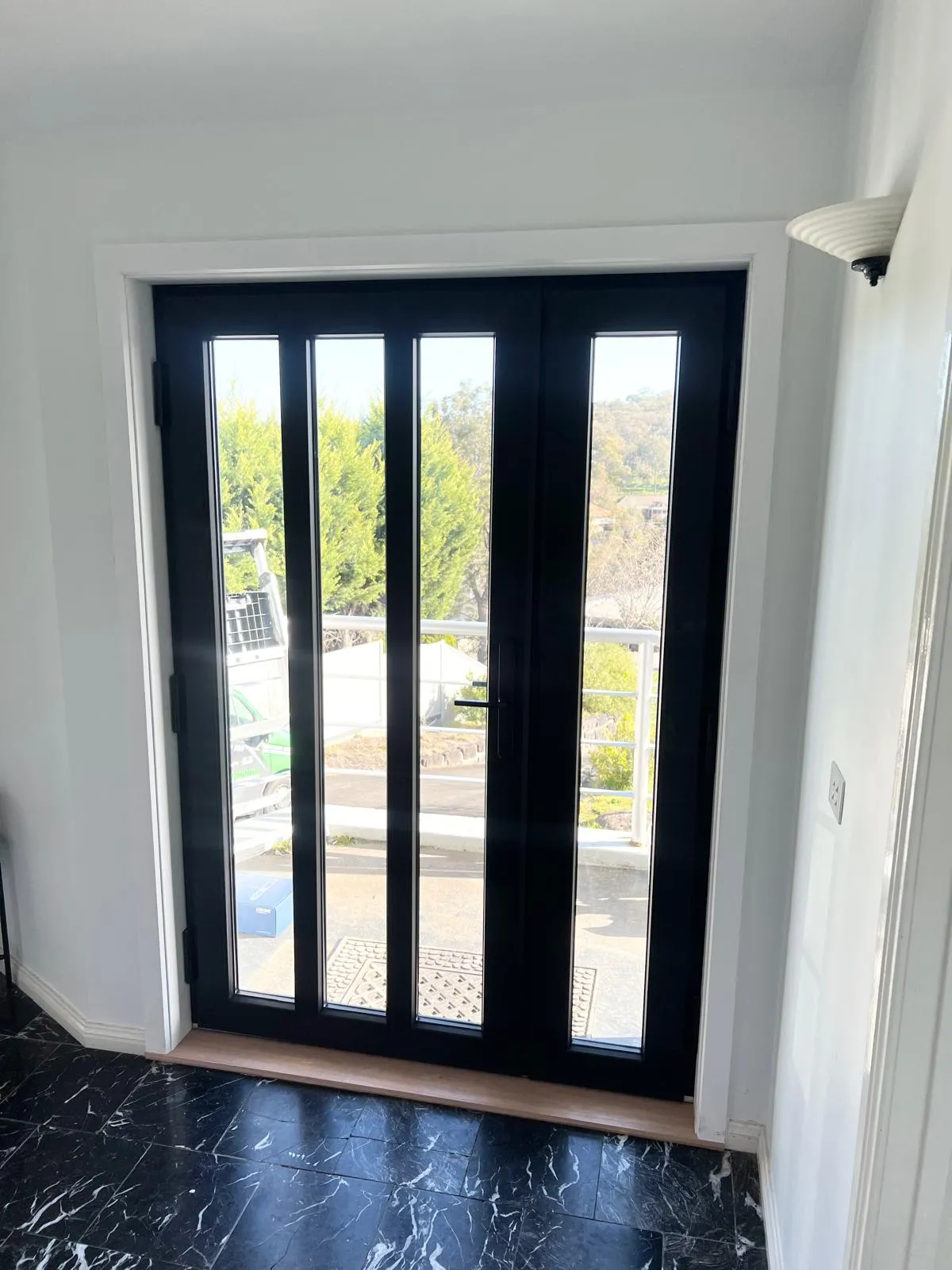
The question of uPVC versus timber comes up often in older homes and period properties, where timber has been the standard material for generations and uPVC can feel like an intrusion. It also comes up in sustainability conversations, where the materials have different environmental profiles, and in practical discussions about maintenance, cost, and performance.
Both materials have real strengths. Neither is universally superior. Here’s an honest account of how they compare.
Both materials are good insulators compared to aluminium. Timber is a natural insulator — its thermal conductivity is around 0.12-0.17 W/mK, similar to uPVC. In practice, a well-made timber frame provides similar thermal performance to a uPVC frame of comparable design.
The main difference is that uPVC profiles are hollow with multiple internal chambers that trap still air, which adds to their effective insulating performance. Solid timber has no such internal structure. Modern engineered timber profiles can include insulating cavities, but this is less common in standard products.
For most residential applications, both materials perform well thermally when combined with quality double glazing. The glazing specification matters far more to the overall U-value of the finished unit than the frame material difference between timber and uPVC.
This is the area where the comparison is starkest. Timber requires ongoing maintenance to remain in good condition. Exterior timber surfaces need to be painted or stained and sealed regularly — in most Australian conditions, meaningful maintenance every 3-5 years is realistic. Failing to maintain the finish allows moisture to penetrate, which leads to swelling, rot, and eventual structural failure.
Well-maintained timber windows and doors can last a very long time — 50 or even 100 years in some cases. Poorly maintained ones deteriorate quickly, and restoration can become expensive.
uPVC is essentially maintenance-free. It doesn’t need painting, staining, or sealing. Regular cleaning with soapy water is all that’s required. The colour is integral to the material, so fading is gradual and the material doesn’t peel. For busy households, rental properties, or homeowners who simply don’t want to spend time on maintenance, this is a significant advantage.
Timber has a warmth, character, and craftsmanship quality that uPVC doesn’t replicate. For heritage homes, period properties, or homes where the joinery is a design feature, timber is often the right aesthetic choice regardless of the practical arguments. The shadow lines, the ability to carve profiles, the depth of painted or stained surfaces — these are things uPVC does not match.
Some heritage overlays and local planning controls specify timber joinery for external windows and doors, particularly in designated heritage areas. If your property has heritage constraints, check these before specifying any material.
uPVC can be produced with wood-grain foil finishes that approximate the look of timber, and these have improved considerably in quality. But in a heritage context, an experienced eye will notice the difference. In a modern or contemporary home, it matters less.
Well-maintained timber can outlast almost any other material. The joinery in Victorian and Edwardian homes across Australia is testament to this — timber frames that are 100 years old and still functional, albeit requiring care. When timber fails, it almost always does so because of neglected maintenance.
uPVC’s durability profile is different. It doesn’t rot, corrode, or absorb moisture. It is, however, susceptible to UV degradation over many years. Modern uPVC formulations with UV stabilisers have largely addressed this, but the material doesn’t have the same multi-generational track record as timber.
In coastal environments, uPVC has a clear advantage — salt air doesn’t affect it at all. Timber in coastal zones requires more attentive maintenance to prevent deterioration.
This is a nuanced area. Timber, particularly FSC-certified sustainably sourced timber, is a renewable material that sequesters carbon during the life of the product. At end of life it’s biodegradable. These are genuine environmental advantages.
uPVC is derived from petroleum and is not biodegradable. However, it has a long service life, which spreads the environmental cost of manufacturing over many years. It’s also recyclable, though recycling infrastructure for uPVC is less developed than for many other materials. Lifecycle analysis comparisons between timber and uPVC produce different results depending on the assumptions made — locally sourced sustainably certified timber typically has a better lifecycle profile than imported uPVC.
The honest answer is that neither material is straightforwardly ‘greener’. If environmental impact is a priority for you, the sourcing and durability of the product matters as much as the material itself.
uPVC is typically less expensive than timber for comparable specifications. Custom timber joinery — particularly for heritage profiles, arched heads, or non-standard sizes — can be substantially more expensive. Standard factory-made timber windows and doors are more competitive but still generally above uPVC in price.
The long-term cost picture is more complicated. Timber requires ongoing maintenance expenditure. uPVC does not. Over a 30-year period, the maintenance costs for timber can narrow or close the initial price gap, depending on how much maintenance is actually done.
Wood-grain foil finishes on uPVC have improved significantly and can be convincing from a distance. They don’t match the tactile quality of real timber up close. For heritage or period properties, real timber is the better aesthetic choice.
In heritage-listed properties or in heritage overlay areas, planning requirements may mandate timber. In homes that are simply old but not heritage-listed, the choice is yours. If the existing joinery is in good condition and you value the character, restoring timber is worth considering. If it’s beyond economic repair, uPVC with appropriate profiles can be a practical alternative.
In most Australian conditions, exterior timber joinery needs attention every 3-5 years. This varies depending on exposure, orientation, and the quality of the paint system. North and west-facing surfaces in high-UV areas degrade faster and may need more frequent maintenance.
Essentially yes for the structural and decorative aspects of the frame. Seals should be inspected periodically and replaced if they deteriorate. Hardware such as handles and hinges should be lubricated occasionally. But painting, staining, or wood treatment is not required.