
November ONLY: 35% OFF
APS IS OFFERING 35% OFF ALL ITEMS GET YOUR QUOTE NOW
APS IS OFFERING 35% OFF ALL ITEMS GET YOUR QUOTE NOW

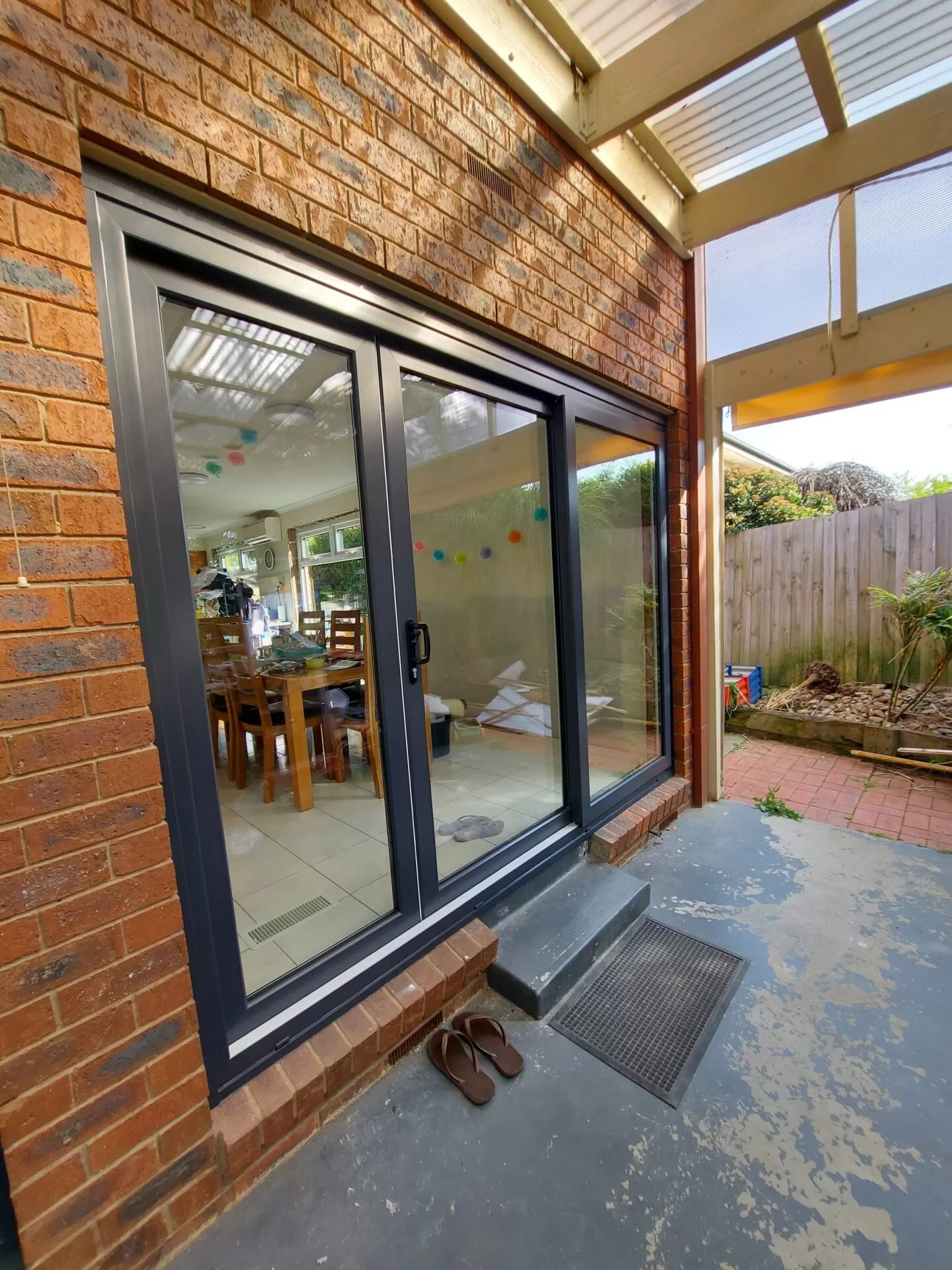
Energy bills are one of the most tangible ways that building fabric affects everyday life, and windows and doors are among the biggest contributors to heat loss and gain in a home. If you’re evaluating uPVC windows and doors for your home, energy efficiency is likely part of the picture — and rightfully so. uPVC performs genuinely well in this area, but the story is more detailed than a simple claim of ‘energy efficient’ suggests.
This article covers how uPVC achieves its thermal performance, what role the glazing plays, and what you can realistically expect in Australian conditions.
Most people think of glazing when they think of window energy performance, but the frame is a significant part of the thermal picture. Frames bridge the inside and outside of the building envelope, and how readily heat moves through them — their thermal conductance — determines how much of a thermal bridge they create.
Aluminium, at around 160-200 W/mK thermal conductivity, is an excellent conductor of heat. An aluminium frame will readily transfer warmth out of your home in winter and heat in during summer. Thermal break technology helps significantly, but it doesn’t bring aluminium close to the insulating performance of uPVC.
uPVC has a thermal conductivity of approximately 0.17 W/mK — roughly 1,000 times less thermally conductive than aluminium. Combined with the hollow multi-chamber profiles that trap still air inside the frame, uPVC creates a genuinely good thermal barrier. That still air acts as additional insulation, further reducing heat transfer.
While the frame matters, the glazing is the larger component of a window or door by area, and it plays the bigger role in overall thermal performance. Single-pane glass has poor insulating properties — it transmits heat readily in both directions.
Double glazing with a sealed air or gas-filled gap dramatically reduces this. The standard metric is the U-value (or U-factor): the rate at which heat transfers through the entire window assembly, measured in watts per square metre per degree Kelvin (W/m²K). Lower is better.
A standard single-glazed aluminium window might have a centre-of-glass U-value of around 5.8 W/m²K. A quality double glazed unit with Low-E coating and argon gas fill can achieve a centre-of-glass U-value below 1.1 W/m²K. The whole-window U-value (including frame) for a uPVC double glazed system is typically in the range of 1.4-2.0 W/m²K — a transformative improvement.
The direct financial benefit of upgrading from single-pane to double glazed uPVC windows depends on your climate, your home’s size, your heating and cooling system, and how much glass area your home has. Homes in Melbourne, Canberra, and other cold-climate cities with significant heating seasons see the most dramatic benefits.
Studies of Australian home retrofits consistently show meaningful reductions in heating energy consumption when windows and doors are upgraded to double glazing. In a well-insulated home, windows and doors can account for 25-40% of total heat loss. Addressing that effectively can reduce heating costs by a significant percentage.
Cooling benefits are equally real, particularly when Low-E glass is specified to manage solar gain. Reducing the amount of radiant heat entering through glass decreases the load on air conditioning, which in turn reduces energy consumption and costs.
One of the most visible signs of poor window thermal performance is condensation — water forming on the interior surface of the glass. This happens when the glass surface temperature falls below the dew point of the indoor air. It’s a problem beyond just the appearance: persistent condensation promotes mould growth, damages window reveals and sills, and indicates significant heat loss at those surfaces.
Well-specified uPVC double glazing largely eliminates interior condensation in most Australian conditions because the interior glass surface stays significantly warmer. The insulating gap and the Low-E coating both contribute to maintaining higher surface temperatures. This is a genuine quality-of-life improvement, not just an energy statistic.
Australia’s Nationwide House Energy Rating Scheme (NatHERS) rates homes on a star scale for energy performance. Glazing — both its thermal performance and its solar heat gain coefficient — is an input to these calculations. Upgrading to high-performance uPVC double glazing can contribute to a better NatHERS star rating, which is relevant both for new builds and for homes being assessed for renovation or sale.
If you’re building or renovating with a focus on NatHERS compliance, discuss your glazing specification with your thermal assessor. The combination of uPVC frames, double glazing, Low-E coatings, and appropriate solar heat gain coefficient for your orientation and climate can make a material difference to your star rating.
This depends heavily on your climate, home size, existing glazing, and lifestyle. In cold-climate cities like Melbourne or Canberra, homeowners regularly report meaningful reductions in heating bills after upgrading from single-pane windows. An energy assessment before and after provides the most accurate picture for your specific situation.
Both contribute in different ways. Double glazing primarily reduces conductive heat transfer. Low-E coatings primarily reduce radiant heat transfer. Together they address both mechanisms. For best performance, use both.
No special maintenance, but keeping seals clean and undamaged is important. Damaged or compressed seals reduce the air tightness of the frame, allowing draughts. Inspect seals annually and replace if they show cracking or significant compression.
In most Australian conditions, yes. Properly installed uPVC double glazing maintains higher interior glass surface temperatures, which significantly reduces or eliminates the condensation that is common with single-glazed and standard aluminium windows.