
November ONLY: 35% OFF
APS IS OFFERING 35% OFF ALL ITEMS GET YOUR QUOTE NOW
APS IS OFFERING 35% OFF ALL ITEMS GET YOUR QUOTE NOW

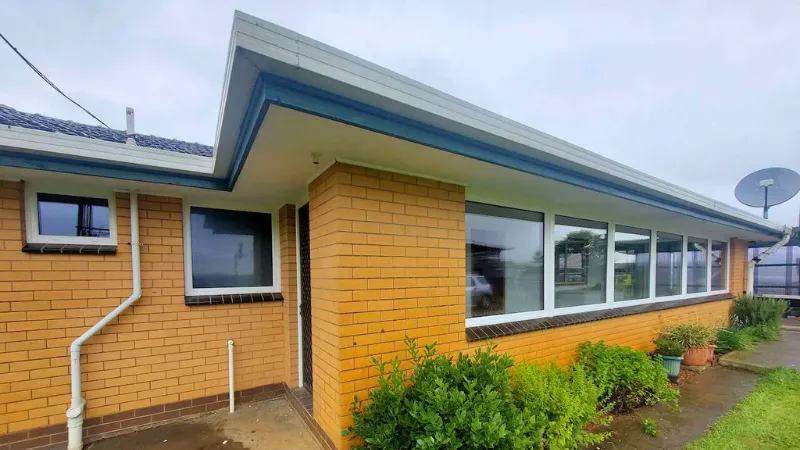
Most people start thinking about window performance when a room never quite feels right. A living area that heats up every afternoon, a bedroom that stays cold long after the heater turns off, or a home office that is always a little noisy. Often, the focus goes straight to the glass, yet the material that surrounds it, the frame, plays a major role in how the window behaves in different Australian climates.
At APS Double Glazing, we regularly see the same double glazing perform quite differently from one region to another. A frame that copes well in a mild coastal suburb may struggle in a dry inland town or an alpine setting. Understanding how frame materials respond to heat, cold, moisture, UV, and movement can make the difference between a window that simply meets minimums and one that genuinely supports long-term comfort. In some cases, a window replacement may be a good path forward when existing frames are no longer suited to local conditions.
For homeowners upgrading to high-performance double glazed windows in Australia, the choice of frame material is just as important as the choice of glass. The frame affects insulation, reduces or amplifies condensation risk, and influences how well the seals and hardware hold up over time. It also affects how much maintenance you are likely to face, especially in harsh climates or exposed locations.
This guide looks at the main frame materials used with double glazing in Australia, and how they typically behave in different climate types. It is not about choosing a “winner” for every situation. Instead, it aims to give you enough context to ask better questions, especially if your home sits in a coastal, hot, cold, or bushfire-prone area.
A modern double glazed unit contains high-performance glass and a sealed cavity, but the frame is the part that ties everything together. It influences performance in several ways.
Key roles of the frame include:
When people talk about window energy ratings in Australia, they are often referring to a whole-of-window result. This includes both the glass and the frame. A very efficient glass unit paired with a poor frame can still underperform in real conditions. This is particularly noticeable in climates with strong sun, very cold nights, or a lot of wind exposure.
Most Australian homes with double glazed windows will use one of the following frame types. Some homes may also use composite systems that combine more than one material.
Modern uPVC window frames are made from rigid insulated profiles. They are designed to be stable under UV, with internal chambers that help slow heat flow. Good quality systems include steel or similar reinforcement to maintain strength. These frames tend to offer strong thermal performance and low maintenance, especially in climates with big temperature swings.
Older or basic aluminium window frames are still common, especially in existing single-glazed homes. Aluminium is strong and slim but also highly conductive, which means heat moves through it quickly. In many climates, this can lead to cold frames in winter and hot frames in summer, along with increased condensation risk.
Thermally broken frames include an insulating barrier between the inside and outside aluminium sections. This break helps reduce heat transfer and can significantly improve performance compared with standard aluminium. They can work well where a slim, modern metal profile is desired and the system has been designed for local conditions.
Timber is a natural insulator and can perform well thermally when detailed correctly. It can also suit heritage homes or designs where the frame itself is part of the aesthetic. However, timber requires ongoing maintenance, which becomes more demanding in coastal, humid, or very sunny locations.
Some systems combine materials, for example, timber on the inside with aluminium cladding outside. These aim to blend the warmth of timber with the durability of an external metal skin. Performance and maintenance depend heavily on the specific system and how well it is installed and sealed.
Each of these materials can support double glazing. The question is how they behave when you place them in a hot coastal suburb, a dry inland town, or a cold hillside in regional Victoria.
Australian building standards divide the country into multiple climate zones, but most homeowners think more simply. The climate that matters is the one you feel when you step outside your own door. For window frames, four practical climate stories often apply.
Within each of these, orientation, shading, and local wind patterns will still matter. A frame that works for a shaded southern elevation may behave quite differently on a west-facing wall that bakes in summer sun.
Examples include parts of Queensland and northern New South Wales, as well as some coastal pockets in other states.
Key challenges in these regions:
uPVC frames generally perform well in warm, humid climates when sourced from systems designed for high UV exposure. The insulating chambers in the frame can help reduce internal surface temperature differences, which can lessen condensation on cooler days and support air conditioning efficiency. Because uPVC does not corrode, it can be suitable for many coastal settings when installed with appropriate hardware and sealing.
Standard aluminium window frames often feel hot to the touch near the coast. Their high conductivity means outdoor heat can move quickly to the indoor side. In air-conditioned homes, this can lead to noticeable warm edges and potential condensation if the indoor air is cool and moist. In very salty environments, frames and hardware may also be more exposed to corrosion, especially if maintenance is irregular.
Thermally broken aluminium frames can improve comfort compared with standard aluminium, as the insulating strip reduces direct heat flow. In humid conditions, this can help reduce the risk of internal condensation forming on the frame. However, the surrounding hardware and drainage details still need to be designed to cope with salt and moisture.
Timber window frames can work in coastal climates, but they do ask more from the homeowner. High humidity and salt spray can accelerate paint breakdown and swelling if detailing is not carefully managed. Regular refinishing may be needed to keep timber stable and protected, especially on exposed elevations.
Overall, warm humid climates tend to reward low-maintenance, corrosion-resistant frames with good insulation. Careful attention to seals, drainage, and hardware choice is just as important as the material itself.
Examples include many inland towns and regional centres, as well as parts of South Australia and Western Australia.
Key challenges in these regions:
In hot, dry climates, repeated heating and cooling can cause significant movement in frames and surrounding building materials. uPVC window frames designed for Australian conditions are typically engineered to cope with this, but professional installation is generally essential. When installed correctly, they can help keep indoor temperatures more stable, especially overnight, and reduce the feeling of radiating heat from window edges.
Standard aluminium window frames tolerate temperature swings structurally but can store and conduct heat. After a very hot afternoon, aluminium frames may stay warm into the evening, which can work against cooling a home down naturally. Without shading, these frames can also contribute to uncomfortably hot internal surfaces near large windows.
Thermally broken aluminium can help reduce these issues. The insulating break interrupts some of the heat flow, allowing the frame to behave more like a hybrid between metal and insulated material. This can improve comfort in living areas with large expanses of glass.
Timber window frames generally handle dry conditions well if they are protected from direct sun and maintained. However, intense sunlight can still degrade coatings over time. In some hot dry locations, the cost and effort of regular repainting or re-staining on upper levels or difficult access areas may become a key consideration.
For hot dry regions, frames that slow down heat transfer and cope with large temperature swings without stressing seals tend to perform better over time. Exterior shading and glass choice will still do much of the heavy lifting, but the frame can either support or undermine those gains.
Examples include much of Sydney, Perth, and similar climates where summers are warm, winters are mild to cool, and conditions vary day to day.
Key challenges:
In these climates, Australian window frames are asked to do a little of everything. They need to insulate well enough for winter comfort, not overheat in summer, and support overall energy efficiency while coping with occasional storms.
uPVC frames often fit well here because their insulating capacity helps in winter, while also reducing hot-to-the-touch surfaces in summer. They are generally low maintenance, which appeals to busy households that want predictable performance without constant repainting.
Standard aluminium can still be found in many homes, but often benefits from targeted upgrades, such as shifting key living areas to double glazing with improved frames. Where aluminium is retained, shading design and thoughtful glass selection become very important to offset the higher frame conductivity.
Thermally broken aluminium window frames can work well in architect-designed homes that want a slimline appearance with better insulation. The overall performance will still depend on how the system has been detailed for coastal weather and maintenance.
Timber frames can be suited to the character of older homes, particularly when protected by verandas or deep eaves. In exposed positions, ongoing maintenance remains the main trade-off.
In mixed climates, it is helpful to look at how frames will behave during both the coldest weeks and the hottest afternoons. A material that only excels in one season may still lead to compromise in overall comfort.
Examples include Melbourne’s outer suburbs and hinterlands, Canberra and surrounding regions, parts of Tasmania, and alpine towns.
Key challenges:
In cold climates, insulation and condensation control start to dominate the conversation. Here, frames that resist heat flow can make a noticeable difference to both comfort and the condition of internal finishes.
uPVC frames usually perform strongly in these regions because their insulated profiles help keep the interior surface temperature closer to the room temperature. This can reduce the feeling of cold drafts near windows and may help lessen surface condensation compared with more conductive frames. When paired with suitable glazing and ventilation, uPVC frames support a more stable indoor climate.
Standard aluminium frames often feel very cold to the touch in winter. The indoor face can approach outdoor temperatures, especially overnight. This can make nearby areas uncomfortable to sit in and may increase condensation on frames and glass edges, which, over time, can affect paintwork, sills, and surrounding linings.
Thermally broken aluminium frames can significantly improve on this, but their performance depends on the width and quality of the thermal break and how the system is installed. In genuinely cold climates, it is worth looking carefully at the whole of the window performance data, not just marketing claims.
Timber frames can also perform well thermally, provided they are well-detailed and maintained so that moisture does not find its way into joints and connection points. In very cold climates, poor maintenance can lead to swelling, shrinkage, or air leaks that undermine performance.
In alpine and very cold regions, frames that keep internal surfaces warmer and control air leakage usually support better comfort. This is also where small differences in installation quality can be very noticeable.
Climate is a major factor, but it is not the only one. Other considerations typically include:
Bringing these factors together helps narrow the field to a few suitable frame options, rather than trying to compare every product on the market.
Before you commit to any upgrade, it helps to observe how your existing frames are behaving. Some common signs include:
These do not automatically mean the frame material is wrong for your climate, but they are useful clues that performance and durability are not where they could be.
If these issues are becoming more frequent, you may want to explore your options for a full window replacement, especially if your frames are ageing or no longer performing well in your climate.
APS Double Glazing specialises in modern uPVC double glazing, so we see first-hand how this frame type behaves across a wide range of conditions. In many Australian climates, uPVC offers a useful balance of insulation, durability, and low maintenance. It is not the only solution in every case, but it can be a strong candidate when homeowners want predictable performance without ongoing repainting.
In warmer climates, uPVC frames can help keep interior surfaces closer to indoor temperatures, which supports comfort when the air conditioner is running. In cooler and cold regions, the insulating effect of the frame may reduce the feeling of cold near windows and support more even room temperatures.
However, design still matters. Frame choice should be paired with appropriate glazing, shading, ventilation, and installation. Some projects will still call for alternative or complementary materials, for example, in heritage streetscapes, very large commercial-style openings, or where a specific aesthetic is required.
Comparing window frame materials in Australia is not about picking a single “best” product. It is about matching the strengths of each material with the climate, exposure, and design of your specific home.
A useful way to approach the decision is to ask:
From there, you can use performance data and detailed advice to decide whether uPVC, thermally broken aluminium, timber, or composite window frames are likely to serve you well over time.
If you are considering a broader upgrade to your glazing, or you are unsure how your local climate should influence your frame choice, you can get in touch with APS Double Glazing. We can discuss how different frame and glass combinations typically behave in your region, what installation may involve, and which options may align with your comfort goals and long-term plans for the home.
Disclaimer. This guide provides general information only. Window and door performance, lifespan, and compliance requirements can vary by product, home design, bushfire rating, and climate. It is always best to seek advice based on your specific property, local regulations, and circumstances.
Yes, you can mix frame materials in one home, for example, uPVC in bedrooms and thermally broken aluminium in large living areas. The main things to watch are visual consistency, how the junctions are detailed, and how each frame type performs in its specific location. It is usually best to plan this with one supplier or installer so the overall glazing design still works as a system.
Dark frames can absorb more solar heat than light colours, especially on sun-exposed elevations, so they may run warmer to the touch outdoors. Inside, the impact on room temperature is usually modest compared with glass choice and shading, but it can be more noticeable with highly conductive frames. If you like a dark look, it can help to pair it with better-insulated frames and appropriate glazing.
Yes, different frame materials and systems have different structural limits. Stronger systems, including some aluminium and composite frames, may allow larger spans or very wide sliding panels, while other frame types may suit more moderate sizes or certain opening styles. A window designer or supplier can usually suggest frame and hardware combinations that balance climate performance with the size and style you want.
Most modern frames are designed to handle normal household use, but they do behave differently. uPVC and aluminium frames are generally resistant to everyday bumps and do not chip as easily as painted timber, although they can still scratch. Timber can be repaired and repainted if dented, while uPVC and aluminium rely more on careful cleaning and touch-up of hardware rather than surface refinishing.
In some homes, it is possible to retrofit double glazing into suitable existing frames, but it depends on the frame design, age, and condition. Older or narrower frames may not have enough depth or strength for modern insulated glass units, especially in exposed or bushfire-prone locations. A window specialist can usually advise whether retrofit double glazing is realistic for your frames or whether full window replacement is likely to be more appropriate.