
November ONLY: 35% OFF
APS IS OFFERING 35% OFF ALL ITEMS GET YOUR QUOTE NOW
APS IS OFFERING 35% OFF ALL ITEMS GET YOUR QUOTE NOW

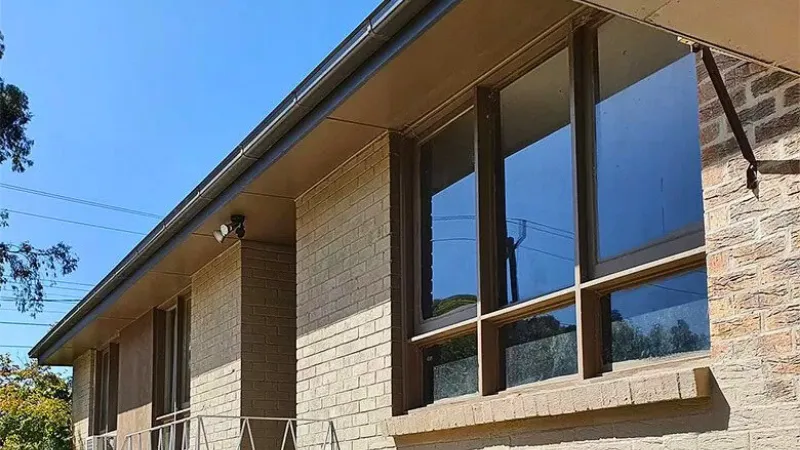
Most homeowners can point to the rooms that feel “hard to live in”. The west-facing living area that turns into a late-afternoon hot box. The south-facing bedroom that feels cool even when the heater has been running. The study gets strong glare in the morning, so the blinds stay down most of the day.
Those discomfort patterns often have one common driver, window orientation. It affects how much sun your glass receives, when it arrives, and whether it helps you or works against you. And because heating and cooling costs are often a major part of household energy use, orientation can influence the financial return on double glazing. However, when existing frames are poorly sealed or thermally inefficient, even the best glass specification may underperform—which is why window replacement can sometimes deliver stronger returns than glass upgrades alone.
APS Double Glazing in Melbourne often sees the same thing during early site discussions. Two houses can install “double glazing” and get very different outcomes, because sun exposure, shading, layout, and room use are different. If your goal includes double glazing payback in Melbourne, not just home comfort, it can help to consider orientation first, then choose glazing that matches the problem the window is actually creating.
If you are still weighing options, it may help to start with the core product overview on double glazed windows, because the “return” is rarely about one feature. It is usually about the whole window system, and how it behaves on each side of your home.
This guide explains how orientation typically changes the payback story in Melbourne homes, how to prioritise rooms, and how to avoid spending money on glass performance you may not actually benefit from.
Double glazing can improve the thermal performance of windows in two main ways.
Orientation changes both.
A north-facing window might deliver useful winter warmth, so a stronger return may come from reducing winter heat loss without blocking too much sun. A west-facing window can deliver strong afternoon solar heat gain, so the return may depend more on solar control glazing than insulation alone. Many south-facing windows receive little direct sun, so the financial return often comes from reducing heat loss and draught-like discomfort.
In other words, orientation affects the size and type of the problem. Double glazing is the tool, but the payback depends on how well it targets the problem you actually have.
If you want to understand return on investment, it helps to separate heat into two categories.
This is heat moving through the window because the inside and outside temperatures are different. In winter, indoor heat tries to escape. In summer, outdoor heat tries to get in. Double glazing reduces this transfer compared to single glazing.
This is heat that arrives directly from sunlight. You can feel it as a hot patch on the floor or on your skin near the glass. Solar heat gain depends heavily on orientation, time of day, and window shading. Solar control glazing and coatings help manage this.
Many people assume double glazing automatically solves “hot rooms”, but if the main issue is solar heat gain through a west-facing window, insulation improvements alone may not produce the best financial return. You may need glazing that is specifically selected for solar management, not just “two panes”.
Melbourne’s weather patterns amplify the importance of orientation. Many homes experience cool winters where heat loss matters, and warm to hot spells where solar heat gain becomes the bigger issue, sometimes with rapid changes across the same day.
Because of that, an orientation-based approach can be more suitable than using a one-size-fits-all glazing strategy. You can still keep a consistent look across the home, but the glass specification can be tuned so that each façade is doing the job it needs to do.
Your home’s exact results will vary based on insulation levels, airtightness, roof and wall exposure, shading, occupancy patterns, and your heating and cooling system. The point is not that orientation is the only factor, it is that it is one of the simplest factors to observe, and one of the easiest to plan around.
In Australia, north-facing windows are often more predictable for managing winter sun and seasonal comfort. You typically get higher sun angles in summer and lower sun angles in winter. That can be an advantage.
North-facing windows can still be major contributors to heat loss through windows at night and on cold days. So, the return often comes from improving insulation value while still letting in beneficial winter light.
Practical implications often include
If your north façade is already well shaded in summer, a stronger return may come from a glass choice that focuses on winter performance. If it is not shaded and gets long summer exposure, then a balanced approach can make more sense.
East-facing windows usually deliver direct morning sun, which can contribute to morning glare in some rooms. That can feel pleasant in cooler months, but it can also create glare control challenges and early-day heat spikes, especially in bedrooms, kitchens, or a home office.
The financial return here can be less about total energy use and more about behaviour that influences heating and cooling costs. If glare forces blinds closed, people often switch lights on, and if the room becomes stuffy early, they may start cooling sooner.
Good glazing choices for east-facing windows often aim to
If you work from home near an east-facing window, the “return” can be partly productivity and usability, not just dollars on a bill. That matters, even if it is harder to quantify.
If there is one orientation that regularly creates comfort complaints in Melbourne homes, it is west-facing windows exposed to strong afternoon sun.
West-facing upgrades may deliver a stronger financial outcome when solar control glazing is chosen to reduce solar heat gain and manage cooling demand, not just improve insulation.
For many homes, that means thinking about
If a west-facing room forces you to run air conditioning every summer afternoon, improving that façade can change peak cooling demand. That is where the financial return may be more noticeable, because you are targeting high-intensity, high-frequency cooling loads rather than just minor temperature drift.
South-facing windows often receive less direct sun for much of the year, which can affect winter comfort. They are often associated with rooms that feel cool, even if the air temperature is not extremely low.
Because south-facing windows do not typically provide useful solar warmth, the payback often comes from reducing heat loss and improving comfort, so you heat less aggressively.
In practice, south-facing glazing often benefits from
If you have a south-facing bedroom where you avoid sitting near the window in winter, improving that comfort can change how much heating you use, and how long you run it.
Two west-facing homes can have completely different outcomes if one has shade from trees or nearby buildings, and the other has a clear sky exposure.
Before you assume a window is “high return” because of its orientation, look at
A window’s financial return is usually the combined outcome of orientation and context.
If you are staging upgrades, or you cannot do the whole house at once, orientation can help you choose a smarter order.
A practical priority approach in many Melbourne homes is
This is not a rule, it is a starting point. Some homes get a better return by upgrading the rooms used the most, even if their orientation is not the most extreme. Some homes get a better return by fixing the worst-performing original windows first, regardless of which side they are on.
If you want a simple way to sanity-check priorities, track two things for a few weeks in peak seasons
Those patterns often reveal where the highest value upgrade sits.
Double glazing is a category, not a single product. Orientation planning works best when the glass selection matches the role of that window.
Here is a practical way to think about it.
Often benefits from insulation-focused performance that still allows useful winter warmth and good daylight, especially if summer shading is effective.
Often benefits from glare moderation and balanced solar control, especially in offices, kitchens, and bedrooms.
Often benefits from stronger solar control because late-day heat can be intense and persistent.
Often benefits from strong insulation and good edge performance because solar gain is limited and heat loss dominates.
The right balance will depend on your layout, shading, and the rooms behind the glass. It can also depend on whether you are upgrading windows or also improving insulation elsewhere in the home.
Financial return is not only about glass performance numbers. If air leaks remain around the frame, or the window is not integrated properly with the wall, your real-world performance can fall short of expectations.
This matters for every orientation, but it shows up most clearly when
If you are considering a full upgrade, it can be useful to review the broader process under window replacement, because installation quality and sealing can influence real-world return, not just the glass.
Exact savings depend on your home and how you run it, but orientation can help you make a more realistic estimate.
Try this approach
Then, when you get quotes, ask how the proposed glazing choice is expected to help that specific trigger, not just general performance claims.
In many homes, payback can be stronger when glazing reduces high-frequency use of heating or cooling, especially in rooms that are used daily. That is why west-facing living rooms and south-facing bedrooms often sit high on the list. Your home may be different.
This can be fine for simplicity, but it can also mean you pay for solar control glazing where you may not need it, or miss it where it matters most.
If a west-facing window is unshaded and very large, glazing can help, and external shading can also reduce solar load, depending on the setup. In some homes, a combination is practical.
If you rarely use the formal dining room, it may not deliver the same return as a smaller upgrade in a room you occupy every day.
If the home becomes easier to live in, many households naturally run heating and cooling more efficiently. Comfort and payback are often linked, even when you do not measure it directly.
Home energy behaviour varies. Some households are very conservative with heating and cooling, while others prioritise comfort. That changes the savings outcome.
While this guide focuses on financial return, it is worth noting that orientation can also correlate with noise exposure. Many homes face roads, schools, tram corridors, or busy pedestrian routes on one side more than the others.
If a noisy façade is also a hot west side or a cold south side, the “return” becomes multi-layered. You may get comfort improvements and noise reduction in the same upgrade, which can make the investment feel worthwhile even if the energy payback alone is modest.
This is another reason to avoid templated decisions. A home’s most useful upgrade is often the one that solves the biggest daily irritations, not just the one with the best theoretical energy model.
Orientation is a powerful planning tool because it is simple, visible, and tied to real discomfort patterns. But the best results usually come from combining orientation with the realities of your home.
Useful questions to ask before locking in a spec:
APS Double Glazing can help translate those answers into an upgrade plan that makes sense for Melbourne conditions and your home’s layout, so the money goes into performance you can actually feel and use.
Double glazing payback is rarely a simple formula. It is a mix of reduced heat loss, reduced solar heat gain, improved comfort near windows, and changed behaviour that can affect heating and cooling costs. Orientation influences all of those.
If you match glazing strategy to each side of the home, you improve the odds that your investment targets the biggest loads, the most-used rooms, and the most frustrating comfort problems. That is often where the financial return can be more noticeable, and where the home feels better quickly, not just on paper.
If you are planning a renovation, comparing quotes, or deciding which rooms to upgrade first, window orientation is a practical place to start.
Disclaimer: This guide provides general information only. Window performance, energy outcomes, and installation requirements vary by product, home design, shading, and local conditions. For advice tailored to your property, it is best to seek guidance based on your specific home, goals, and site conditions.
West-facing windows often deliver a quicker financial impact because they can cut harsh afternoon heat that drives air conditioning use. South-facing bedrooms can also pay back well if they reduce winter heating demand and cold-surface discomfort. The right choice still depends on your shading, room use, and how often you run heating or cooling.
Yes, because you are dealing with two sun angles, not one. A corner or bay that faces west and north, for example, can collect long afternoon sun plus midday sun, which can increase cooling load. In these cases, payback depends on treating the whole window group as one system, and selecting glazing that suits the combined exposure, not just the “main” direction.
It can help, especially when the glazing choice includes performance features that reduce UV and some solar energy, but results vary by glass type and coatings. Many homeowners treat this as a practical return because it may reduce the need to replace flooring, rugs, or furnishings as often, particularly in sun-heavy north and west rooms.
It still matters, but the story changes. Solar can offset energy costs, yet west-facing overheating can still reduce comfort and increase cooling demand at the wrong time of day, especially if your home is occupied in the afternoon. Orientation-led glazing can help reduce peak cooling load and improve comfort, even when your bill is partially offset by solar generation.
Sometimes, yes. If traffic noise affects sleep or forces you to keep windows shut and run heating or cooling more, acoustic improvement can indirectly improve energy use and daily comfort. In those cases, the return may be a mix of better liveability and more efficient heating and cooling behaviour, rather than a simple orientation-driven energy calculation alone.