
OCTOBER ONLY: 35% OFF
APS IS OFFERING 35% OFF ALL ITEMS GET YOUR QUOTE NOW
APS IS OFFERING 35% OFF ALL ITEMS GET YOUR QUOTE NOW

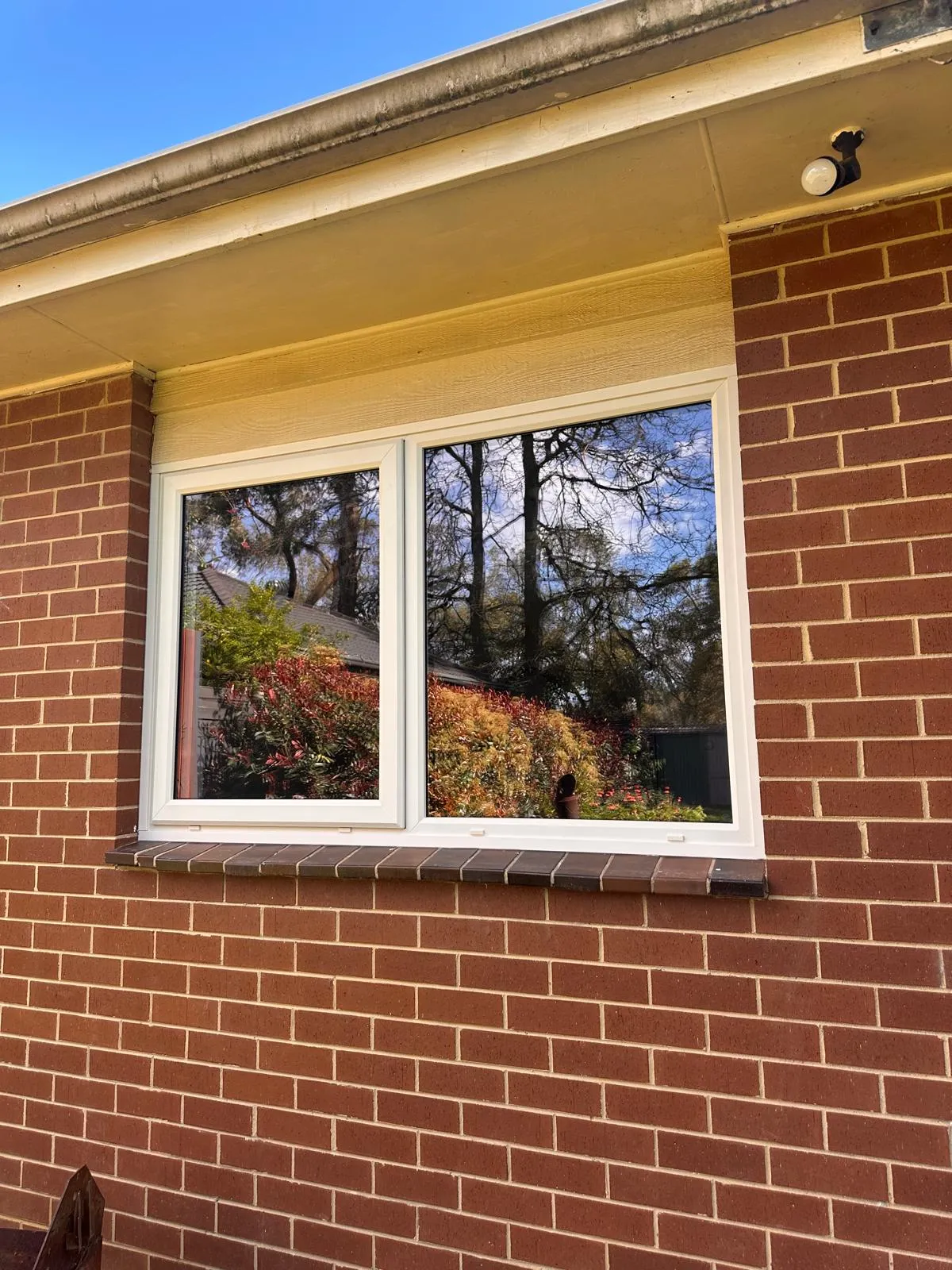
If you’re building a new home, renovating, or replacing windows in Victoria, there’s more to the decision than aesthetics and price. Windows in Australia are subject to a layered set of standards and regulations covering everything from structural performance and glass safety through to energy efficiency and building code compliance. Getting this right matters — not just for passing inspections, but for the long-term comfort, safety, and running costs of the building.
The challenge is that the regulatory landscape isn’t always easy to navigate. There are Australian Standards, National Construction Code requirements, energy rating schemes, and performance labelling systems — and they all interact. Some of this information exists in technical documents written for industry professionals, not homeowners or renovators trying to make a sensible decision about their next window purchase.
This article cuts through that complexity. Whether you’re a homeowner planning a renovation, a builder working on a new project, or a landlord trying to understand your obligations, this is a practical guide to what Victorian window standards actually require and what you need to know to comply.
When assessing window compliance and energy performance, the style of window you choose plays a practical role alongside the rating itself. For example, WERS-rated double glazed casement windows can achieve strong sealing and airflow control, while energy-efficient awning windows offer the added benefit of ventilation even during light rain. Matching the window type to both compliance requirements and real-world use helps ensure the final result performs as intended.
When working through Victorian window compliance, it’s also worth remembering that the right specification is not just about glazing performance and ratings — the size of the window matters too. Choosing between off-the-shelf dimensions and made-to-order units can affect installation quality, sealing, overall appearance, and even whether the finished product performs as intended. For homeowners weighing up these practical considerations, our guide to custom vs standard window sizes explains what to consider before ordering replacement or new windows.
Window compliance in Victoria isn’t governed by a single rule — it’s shaped by several overlapping frameworks that address different aspects of performance.
At the national level, the National Construction Code (NCC) sets minimum requirements for building work across Australia, including provisions that affect windows. The NCC covers building envelope performance, energy efficiency, glazing safety, and structural adequacy. In Victoria, compliance with the NCC is administered through the Victorian Building Authority (VBA), which oversees building permits and ensures construction work meets required standards.
Sitting alongside the NCC are two key Australian Standards that apply specifically to windows and glazing:
AS 2047 covers the performance requirements for windows and external glazed doors. This standard specifies how windows must perform in terms of structural integrity, water penetration resistance, and air infiltration. It’s the standard that window manufacturers must meet for their products to be considered compliant for use in Australian buildings.
AS 1288 deals with glass selection and installation in buildings. It sets out requirements for choosing the right type and thickness of glass for different applications — including safety glazing in areas where human impact is a risk, such as near doors, in low-level panels, and in bathrooms. This standard exists primarily to prevent injuries from glass breakage.
Together, these two standards form the backbone of window compliance from a product and installation perspective. When you’re buying windows or hiring someone to install them, these are the standards that should be met as a baseline.
When assessing window compliance and energy performance, the style of window you choose plays a practical role alongside the rating itself. For example, WERS-rated double glazed casement windows can achieve strong sealing and airflow control, while energy-efficient awning windows offer the added benefit of ventilation even during light rain. Matching the window type to both compliance requirements and real-world use helps ensure the final result performs as intended.
Energy efficiency is where Victorian window standards have seen the most significant change in recent years.
Since May 2024, new homes in Victoria must achieve a minimum 7-star NatHERS rating. NatHERS — the Nationwide House Energy Rating Scheme — assesses the thermal performance of a home’s design, including the building envelope, insulation, and glazing. The higher the star rating, the less energy the home requires for heating and cooling. The jump to 7 stars represents a meaningful increase from the previous 6-star requirement, and windows are one of the most influential variables in reaching that target.
New homes must also meet a whole-of-home energy budget under the NCC, which accounts for the energy used by appliances and services in addition to the building fabric. This means the design decisions you make about windows — size, orientation, glazing type, frame material — all feed into a broader energy calculation that the building must satisfy.
Windows are one of the primary pathways for heat gain and heat loss in a building. A large north-facing window can be a significant asset in a well-designed passive solar home, capturing warmth in winter. The same window, poorly positioned or single-glazed, can be a major liability — admitting solar heat in summer and losing warmth rapidly on cold nights.
The glazing you choose affects your NatHERS score through several properties: U-value (the rate of heat transfer through the window), Solar Heat Gain Coefficient (SHGC, how much solar energy passes through), and visible light transmittance. Double glazing with a low-emissivity (low-e) coating performs significantly better than standard single glazing on all of these measures, which is why it’s increasingly the default choice for new builds and major renovations in Victoria.
Frame material matters too. Thermally broken aluminium frames, uPVC frames, and timber frames all have different thermal properties, and a NatHERS assessor will factor these into the overall building simulation.
The Window Energy Rating Scheme (WERS), managed by the Australian Glass and Window Association (AGWA), provides a standardised way to assess and compare the energy performance of window products. Windows rated under WERS are assigned star ratings for heating and cooling performance, which makes it easier to compare products and select glazing that will contribute positively to your NatHERS assessment.
When selecting windows for a new build or renovation in Victoria, looking for WERS-rated products gives you a reliable, independently assessed measure of performance. A higher heating star rating indicates the window retains more warmth in winter; a higher cooling star rating indicates it admits less unwanted solar heat in summer. The optimal balance depends on your climate zone, home orientation, and design.
Windows must be capable of withstanding the wind loads specific to their installation location. AS 2047 classifies windows according to their structural performance across two categories: Serviceability Limit State (SLS), which covers resistance to deflection and deformation under normal wind loads, and Ultimate Limit State (ULS), which covers resistance to failure under extreme wind conditions.
The required wind load rating depends on the building’s location and exposure. A home in a coastal area or elevated position will require windows with higher wind load ratings than one in a sheltered suburban setting. This is an area where specifying the wrong product — or buying uncertified windows without documented performance data — creates real risk.
AS 2047 also specifies requirements for resistance to water penetration. Windows are tested at defined pressure levels to verify they don’t allow water ingress under simulated weather conditions. The required level of water penetration resistance varies based on exposure classification, with more exposed locations requiring higher performance ratings.
This matters for the long-term integrity of the building. Water getting past window frames and into wall cavities causes structural damage, mould growth, and significant remediation costs. Specifying compliant windows that have been properly tested isn’t just a regulatory formality — it’s protection against a genuinely expensive problem down the track.
Uncontrolled air leakage through windows affects both thermal performance and moisture management. AS 2047 sets limits on air infiltration rates, which is particularly relevant for double glazed units where the seal integrity contributes to both thermal and acoustic performance.
One of the most practical gaps in most information available to homeowners is guidance on what to actually look for when buying windows. Here’s what to check.
Performance labels. Compliant windows should carry a performance label that identifies the manufacturer, the window series, and the performance ratings including structural class and water penetration resistance. This label is your primary verification that the product has been tested and meets AS 2047 requirements.
WERS certification. If energy efficiency is a priority — and in Victoria, it should be for new builds — look for windows with a current WERS rating. AGWA maintains a database of WERS-rated products that can be searched online.
Test reports and documentation. For significant projects, it’s reasonable to ask your window supplier for test reports demonstrating compliance with AS 2047 and, where relevant, AS 1288. Reputable suppliers will have this documentation available.
Installer accreditation. Installation matters as much as product compliance. Incorrectly installed windows can fail to perform to their rated specifications regardless of product quality. Using installers who are familiar with the relevant standards and the specific requirements of your build is worth prioritising.
Safety glazing is an area where the requirements under AS 1288 are non-negotiable and sometimes overlooked in renovation projects. The standard requires toughened or laminated safety glass in locations where human impact is a foreseeable risk — including glazing within 500mm of a door, panels with a bottom edge less than 500mm from the floor, and in bathrooms and wet areas.
Standard float glass is not appropriate in these locations. If you’re replacing windows in a renovation, it’s worth auditing existing glazing against AS 1288 requirements — particularly in older homes where safety glass may not have been installed originally.
Landlords in Victoria have specific obligations under the Residential Tenancies Act and associated regulations regarding the condition of rental properties. Windows must be in good repair and must be able to be opened, closed, and secured appropriately. While the rental standards don’t specify glazing performance levels in the same technical way the NCC does, they do require that windows function correctly and that the property meets basic standards of safety and weatherproofing.
For investment properties undergoing renovation or window replacement, aligning the work with current NCC and AS 2047 requirements is the sensible approach — not just for compliance, but because better-performing windows are increasingly a factor in rental market appeal and property value.
A few patterns come up repeatedly in window compliance failures.
Buying on price without checking certification is probably the most common issue. Cheaper imported windows may not have been tested to Australian Standards, and the absence of a proper performance label should be a red flag. The cost of replacing non-compliant windows after a building inspection is considerably higher than buying the right product in the first place.
Ignoring wind load requirements for the specific site is another mistake. A product that’s adequate for a sheltered suburban block may not be appropriate for a coastal property or an upper-storey installation. This needs to be assessed for the specific building and location.
Treating energy efficiency as separate from glazing decisions leads to problems during NatHERS assessments. The glazing specification needs to be considered as part of the overall thermal design from the beginning, not retrofitted after the fact when the numbers don’t add up.
And finally, using standard glass in locations that require safety glazing remains surprisingly common in renovation projects, particularly when homeowners are managing parts of the work themselves. AS 1288 requirements exist for good reason, and they apply regardless of whether the work requires a building permit.
Window compliance in Victoria covers a lot of ground — structural performance, glass safety, energy efficiency, and rental property obligations all have their own requirements and their own standards. The good news is that most of this is straightforward once you understand the framework: buy products that are tested and labelled to AS 2047, ensure glass is specified to AS 1288, work with WERS ratings to understand energy performance, and design glazing as part of your NatHERS strategy from the start.
The 7-star NatHERS requirement introduced in 2024 has made window selection more consequential than it used to be. Getting the glazing right is no longer just about compliance — it’s a meaningful contributor to how comfortable and efficient your home will be for decades to come.
If you’re unsure where your project sits, a NatHERS assessor or a window supplier familiar with the current standards will be the most useful starting point.
The two primary standards are AS 2047, which covers window performance requirements including structural integrity, water penetration, and air infiltration, and AS 1288, which governs glass selection and safety glazing requirements. Both standards apply across Australia, including Victoria.
Since May 2024, new homes in Victoria must achieve a minimum 7-star NatHERS rating. New homes must also meet a whole-of-home energy budget under the National Construction Code.
WERS is the Window Energy Rating Scheme, managed by the Australian Glass and Window Association (AGWA). It provides independently assessed star ratings for window products based on their heating and cooling performance. WERS ratings help homeowners, builders, and designers select windows that will contribute positively to a building’s NatHERS assessment.
Generally, windows replaced as part of renovation or building work subject to a building permit must meet current NCC and Australian Standards requirements. The specifics depend on the scope of the work. Where any doubt exists, checking with the Victorian Building Authority or your building surveyor is advisable.
Compliant windows should carry a performance label identifying the manufacturer, product series, structural classification, and water penetration resistance rating. You can also ask suppliers for test reports. WERS-rated products are searchable through AGWA’s online database.
Double glazing is not universally mandated, but the 7-star NatHERS requirement means that in most Victorian climate zones and building designs, achieving compliance without double glazing is very difficult. In practice, double glazing with thermally efficient frames has become the standard for new residential construction in Victoria.
Toughened or laminated safety glass is required in locations where human impact is a risk. This includes glazing within 500mm of a door, panels with a bottom edge less than 500mm from the floor, and glass in bathrooms and wet areas. Standard float glass is not appropriate in these locations.
Under Victorian rental property minimum standards, windows must be in good working order — able to be opened, closed, and secured as intended. While technical glazing performance standards don’t directly apply to existing rental properties in the same way they do to new construction, windows must be functional, weatherproof, and safe.