
November ONLY: 35% OFF
APS IS OFFERING 35% OFF ALL ITEMS GET YOUR QUOTE NOW
APS IS OFFERING 35% OFF ALL ITEMS GET YOUR QUOTE NOW

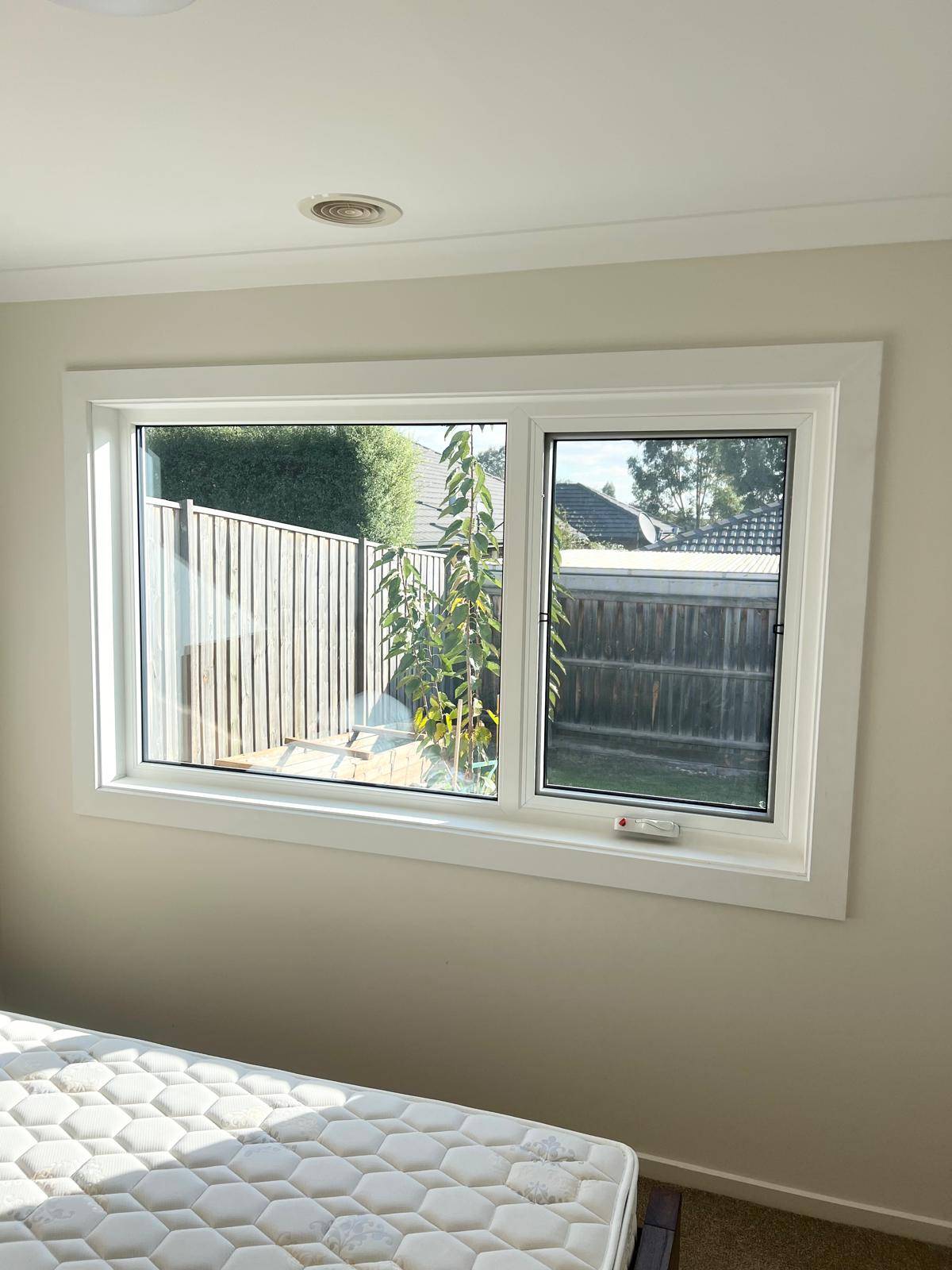
If you’ve moved into an older Australian home, inherited a property or never thought to check, you may not know whether your windows are single or double glazed. It matters: glazing affects energy bills, traffic noise and condensation, and you’ll want a confident answer before deciding whether to upgrade.
You can usually find out in a few minutes with nothing but your eyes and a finger. This guide walks through each check in order, explains why it works and covers the cases where results are less clear.
If your checks do confirm single glazing and you’re considering an upgrade, our guide to window replacement in Melbourne walks through the process, costs, and what to look for when choosing an installer, and our double glazed window range shows the configurations and specifications available — useful starting points once you know what you’re working with.
Before you start checking, a brief explanation helps. A double glazed window is a sealed unit containing two glass panes with a gap between them — typically 6 to 20 millimetres — filled with air or an inert gas like argon. The glass layers are held apart by a spacer bar around the perimeter, and the whole assembly is hermetically sealed. It’s this sealed cavity that gives double glazing its insulating properties, slowing heat transfer for thermal insulation and interrupting sound waves for acoustic performance. Many units also use low e glass, where low e coatings on one pane reflect radiant heat.
Single glazing is simply one pane of glass in a frame. No cavity, no spacer, no sealed unit. It’s what most Australian homes built before the 1990s had as standard, and many still do. Triple glazing, at the other end, uses three panes and two cavities, and is mainly used in very cold climates.
Secondary glazing is different again — it’s a second layer of glazing added inside or outside an existing single glazed window without replacing it. It looks somewhat like double glazing but is not the same thing — more on that distinction below.
It’s also common to assume that certain frame types automatically mean double glazing, but that isn’t always the case. For example, while unplasticised polyvinyl chloride (uPVC) is often associated with modern insulated windows, this guide on whether uPVC windows are always double glazed explains what’s actually standard and what still depends on how the window is specified.
Work through these checks in order. By the time you’ve completed two or three, you’ll almost certainly have a confident answer.
This is the most reliable visual indicator and the first thing to check. Stand close to the window and look at the edge of the glass — the part visible where the glass meets the frame, or where it sits within the rebate. In a double glazed unit, you should be able to see a thin bar running around the perimeter of the glass, sitting between the two panes. It’s typically aluminium or black rubber/foam material, roughly 6 to 20mm wide. Sometimes it has small holes or perforations.
If you can see two distinct layers of glass with a visible strip between them at the edge, you’re almost certainly looking at a double glazed unit. If you can only see a single layer of glass at the edge, it’s single glazed.
Confidence level: High. This is the most definitive check.
Hold a finger or a pen close to the glass and look at its reflection. In a single glazed window, you’ll see one reflection. In a double glazed unit, you’ll see two reflections — one from each pane of glass — that appear slightly offset from each other. Units with multiple layers, such as triple glazing, show three.
To make this easier, try it at night with a torch as your light source, held next to your hand. The separation between the two reflections corresponds to the gap between the panes. The wider the gap, the more offset the reflections will appear. In good double glazing with a 12-16mm cavity, the two images are noticeably separated.
Confidence level: High. This works well in most light conditions and is very easy to do.
Look at the glass edge-on — either through the frame reveal if visible, or by looking at the glass unit from the side. A single pane of 4mm glass is, obviously, 4mm thick. A double glazed unit is substantially thicker: two panes plus the cavity typically produce a total unit thickness of 16 to 28mm or more. If the glass unit looks noticeably chunky — clearly more than just a thin pane — that’s a good indicator.
In aluminium window frames common in Australian homes, the frame depth is often the giveaway: older single glazed aluminium windows have shallow frames, while frames that accommodate double glazed units are deeper and more substantial across the whole window.
Confidence level: Medium. Thickness is suggestive but can be hard to judge without a point of comparison.
Gently tap the glass with your knuckle. Single glazed glass produces a hollow, bright sound — a relatively sharp ring that dissipates quickly. Double glazed glass has a duller, softer, more muted sound because the sealed cavity dampens the sound waves travelling through the glass. The difference is subtle but real once you’ve heard it.
This test is harder to use reliably on its own because the sound difference depends on the glass thickness and frame material too. But used in combination with the visual checks, it adds a useful data point.
Confidence level: Low to Medium on its own; useful as confirmation alongside other checks.
This one requires observation over time rather than a single check, but it provides useful context. Double glazed windows retain heat on the inside because the inner pane loses less heat to the cold air outside. In cold weather, you’re less likely to see condensation forming on the internal glass surface of a functioning double glazed window, which is how double glazing helps prevent condensation.
If you regularly see significant condensation on the inside face of your windows during cool weather, single glazing is likely, and if one window fogs up while another in the same room stays clear, they may be glazed differently. The risk of condensation forming increases when cold surfaces are present — such as single glazing or standard aluminium-framed windows. Poorly ventilated rooms can also cause condensation on double glazed glass, so this isn’t definitive on its own.
One important distinction: if you see fogging or moisture between the panes (not on the surface), that indicates a failed double glazed unit — the seal has broken down and moisture has entered the cavity. This is a specific failure mode of double glazing, not a sign of single glazing.
Confidence level: Low to Medium on its own; more useful as supporting evidence.
Several window types can produce results that look similar to double glazing but are fundamentally different. The following covers the most common sources of confusion.
Laminated glass has a plastic interlayer bonded between two sheets of glass, making it a single unit that feels heavier and more solid than ordinary glass. It’s used for safety glazing, acoustic performance, and security. The key difference from double glazing: laminated glass has no air gap or spacer bar. Looking at the edge, you’ll see the two bonded layers but no visible cavity between them.
Reflection test: laminated glass typically shows only one reflection, like standard single glazing.
Secondary glazing is a separate pane added inside (or occasionally outside) an existing single glazed window. It does provide a degree of acoustic and thermal benefit, but it’s not the same as a factory-sealed double glazed unit. How to tell the difference: secondary glazing will have a visible gap of air between two completely separate window systems — the gap will be substantially wider than a typical double glazed unit, and you’ll be able to see two distinct frames or mounting systems rather than one sealed unit.
Double glazing failure happens when the hermetic seal around the unit breaks down, allowing moisture to enter the cavity. Seal failure is usually caused by age, frame movement or poor installation. Failed units often show fogging, condensation streaks, or white mineral deposits between the panes that can’t be cleaned off because they’re inside the sealed unit. The glass may still have a spacer bar visible and show a double reflection, confirming it is (or was) double glazed — but it’s no longer performing as intended.
If you’re seeing these signs, the unit needs replacing, though the existing frame may be perfectly serviceable and can often be kept.
If your checks confirm single glazing, you have two main paths: retrofit or replace.
Retrofitting adds a second glazed layer to the existing window frame, converting it to a double glazed or secondary glazed system without replacing the frame. This is typically less expensive than full replacement and can be a practical option where the frames are in good condition. Performance improvement is meaningful but may not match the insulation provided by a purpose-built double glazed unit.
Full window replacement involves installing new double glazed windows, such as casement windows or awning windows, which provides the best long-term thermal and acoustic performance and typically includes modern frame improvements alongside the glazing upgrade. The upfront cost is higher, but window replacement with quality double glazing delivers improved thermal performance and thermal efficiency that lasts, and cuts traffic noise and other noise pollution in living spaces.
In Australian conditions, the right glass depends on orientation. West-facing glass in summer takes in intense solar radiation and heat gain, so a low solar heat gain coefficient (SHGC) keeps solar heat gain down and the room cooler. On a north facing window in Melbourne, low e glass with a higher SHGC lets winter sun in while reducing heat loss. Either way, the home needs less energy for heating and cooling, which helps you save money on energy costs and cuts greenhouse gas emissions from running the house, because less heat is lost or gained through the glass.
In most cases, the spacer bar check and the double reflection test together give a confident answer in under two minutes. Thickness, the tap test and condensation are useful supporting evidence rather than primary indicators.
If the results are unclear, or you’ve found single glazing or failed units, a glazier can confirm in person and advise on the next step. APS Double Glazing inspects and replaces windows across Melbourne, and the team can tell you whether a unit replacement or new uPVC double glazed windows suit your home.
Use the spacer bar check (look at the edge of the glass for a visible strip between two panes) and the double reflection test (hold a finger near the glass and look for two offset reflections). Together, these two checks give a highly confident answer without any tools or removal.
It’s a thin strip around the perimeter edge of the glass unit, typically 6 to 20mm wide, made of aluminium or a dark foam/rubber material. It sits between the two panes of glass and is visible at the edge of the glass unit, either within or just outside the frame.
Yes. The double reflection test works from the inside. You can also check the glass unit thickness from inside the window reveal if the frame allows it. The spacer bar may or may not be visible from inside, depending on how the window is installed.
They significantly reduce condensation on the inner glass surface under most conditions because the inner pane remains closer to room temperature. However, if a double glazed unit has failed (seal breakdown), condensation between the panes will be visible. And in very humid rooms, condensation can still occur on double glazed glass, just less readily.
Laminated glass has no spacer bar and no air gap — the two layers are bonded together as one unit. The double reflection test will show only one reflection, like single glazing. Double glazed units have a visible spacer and show two separated reflections.
Yes. When the hermetic seal around the unit breaks down, moisture enters the cavity, and the thermal performance is significantly reduced. Signs of failure include fogging between the panes, streaks of condensation, or mineral deposits that won’t wipe off. The unit can be identified as double glazed but is no longer performing as designed.
No. Many homes built before the 1990s have standard single glazed aluminium windows, and some buildings constructed more recently may still have single glazing in non-premium specifications. The requirement for double glazing in new construction varies by climate zone and the applicable National Construction Code requirements at the time of construction.